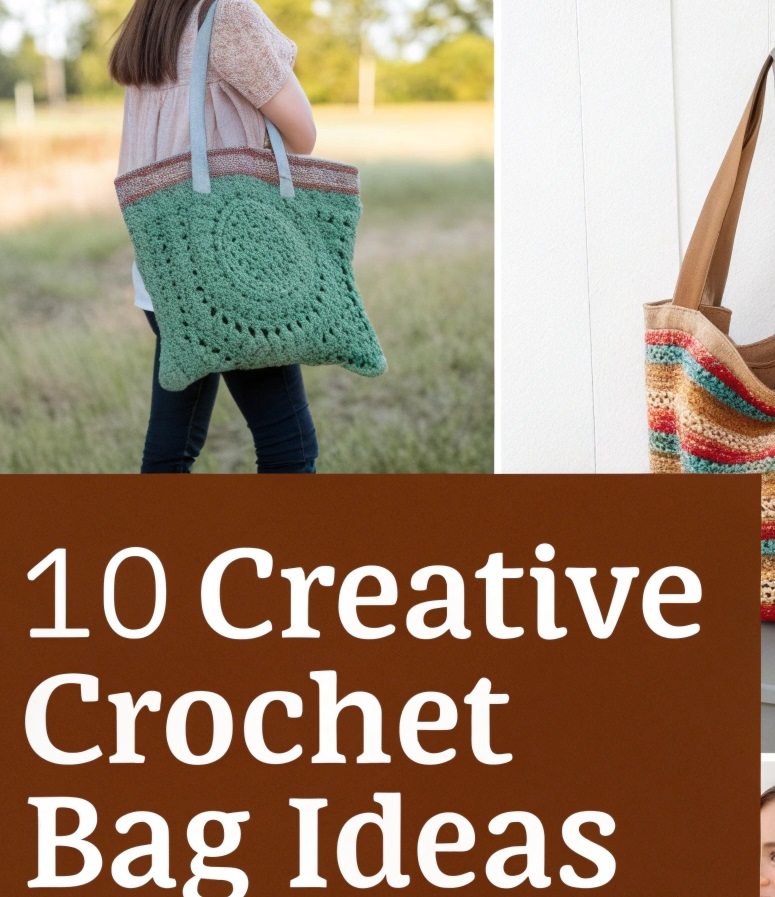
Crochet bags are the fastest way I know to turn “plain” yarn into something you actually want to carry every day. From structured totes to cute little pouches, you can mix stitches, shapes, and hardware to match your style. I love that crochet lets me control the vibe—cozy and textured, sleek and modern, or totally whimsical with charms and flowers. And because there are so many bag pattern formats (totes, crossbodies, drawstring pouches), I can usually find a starting point and customize it fast. If you want practical results too—strong straps, stable panels, and neat finishing—this guide gives you creative ideas plus the build strategies that make them look professional.
Key Takeaways
- Crochet bag creativity comes from four places: shape, stitches, embellishments, and finishing hardware.
- For a sturdy bag, I aim for dense stitches (like single crochet) and use structured panels (like thick rectangles or pleated/accordion sections).
- Creative details (like puff-stitch flowers) and textures (like basketweave) can be added without making construction complicated.
- Bag libraries make it easy to remix styles: I can combine a base bag type (tote/crossbody/pouch) with different textures and closures.
- Handles/straps look and last better when I plan attachment early and reinforce where stress happens.
Quick Answer
Here are 10 creative crochet bag ideas I’ll walk you through: 1) Sturdy panel + puff-stitch flower accents 2) Basketweave texture panel bag with a wooden handle 3) Pleated/accordion-style panel tote 4) Easy folded-rectangle crossbody with color blocking 5) Drawstring heart/charm pouch 6) Pattern-library style mashups (swap textures, straps, closures) 7) Leather strap + mixed-material look 8) Travel-ready organizer tote (functional pockets + stability) 9) “Family set” of coordinated bags (tote + shoulder + pouch) 10) Professional finishing touches (reinforced seams + signature element)
What You Need
| Item | Purpose | Notes |
|---|---|---|
| Yarn (cotton, cotton blends, or sturdy acrylic) | Builds the bag body | Cotton holds shape nicely; blends can be softer but still sturdy |
| Crochet hooks (match yarn weight) | Creates the fabric | Use the recommended size, then adjust for firmness if needed |
| Scissors | Trimming yarn | Keep them sharp for clean edges |
| Tapestry needle | Sewing seams and weaving ends | A must for finishing bags neatly |
| Stitch markers | Tracking rounds/panels | Helps keep panels aligned while shaping |
| Measuring tape or ruler | Consistent bag sizing | Especially important for straps/placement |
| Reinforcement supplies (optional: fabric strip or interfacing) | Adds structure at stress points | Great for handles, closures, and bottom edges |
| Handle/strap materials (rope, yarn straps, fabric straps, or leather) | Gives carrying comfort | If using leather/wood, plan attachment spots early |
| Closure options (button, snap, zipper, drawstring cord) | Keeps items secure | Choose closures that fit your bag opening size |
| Optional lining (fabric) | Looks polished + protects items | Not required, but it can improve durability and cleanup |
Step 1: Choose materials and foundations for bag success
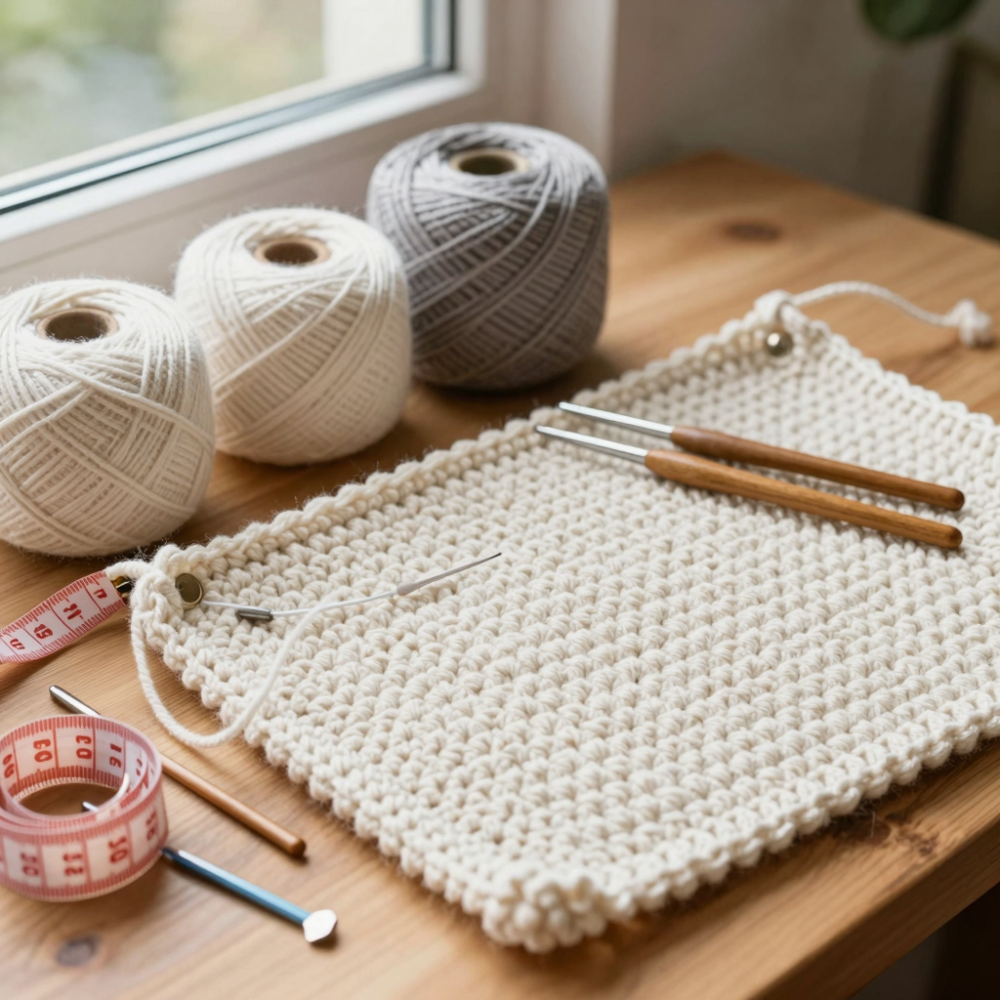
Before I pick a “cute” design, I decide how the bag will stand up in real life. Crochet fabric can be flexible, so I lean on structure strategies.
My go-to structure strategies
- Dense stitches for stability: If I want a bag that holds its shape, I start with dense stitches like single crochet.
- Texture that also firms up fabric: Stitches like basketweave create thicker, textured fabric that feels more “bag-like” than airy stitches.
- Panel shaping with folds: For some looks (like pleated totes), I build a panel and shape the bag by folding or accordion-style geometry, then sewing the sides in place.
Plan finishing elements early
Handles and straps are the parts that get pulled the most. So I plan:
- where strap/handle attachment points will go
- whether I’ll reinforce with an extra stitch layer, fabric strip, or interfacing
- how I’ll finish the top edge (clean edging = a more professional look)
Once those choices are locked in, the creative part gets easier: I can focus on motifs, texture, and closures without worrying the bag will sag.
Step 2: Sturdy panel + accent details (Idea #1)
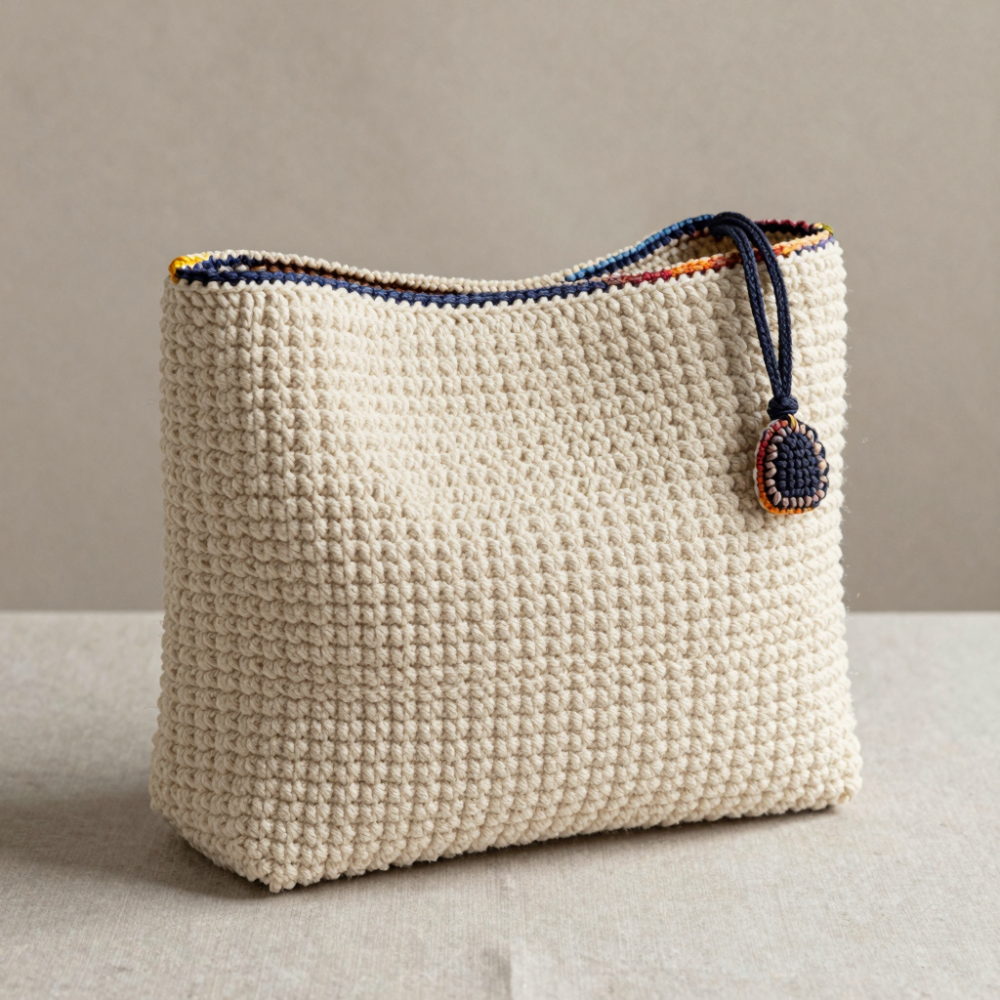
This is the “classic but upgraded” bag idea I return to when I want something reliable and pretty. The main goal: structured body first, then add cute personality.
How I build it (conceptually)
- Make a dense panel using single crochet (or another tight stitch you like).
- Build the bag as a rectangular or slightly shaped body.
- Add decoration on top of the sturdy base:
– Use puff stitches to make small flower accents.
- Finish the top edge so it looks clean.
- Attach straps/handles securely.
Creative twist ideas
- Put puff-stitch flowers only on one side for an asymmetrical look.
- Do a repeating mini-flower pattern around the bag.
- Use puff stitches as a border near the top, so the rest stays simple.
Why it looks great
Because the dense stitches keep the bag crisp, the puff-stitch flowers pop without the whole bag collapsing.
Step 3: Basketweave texture panel bag (Idea #2)
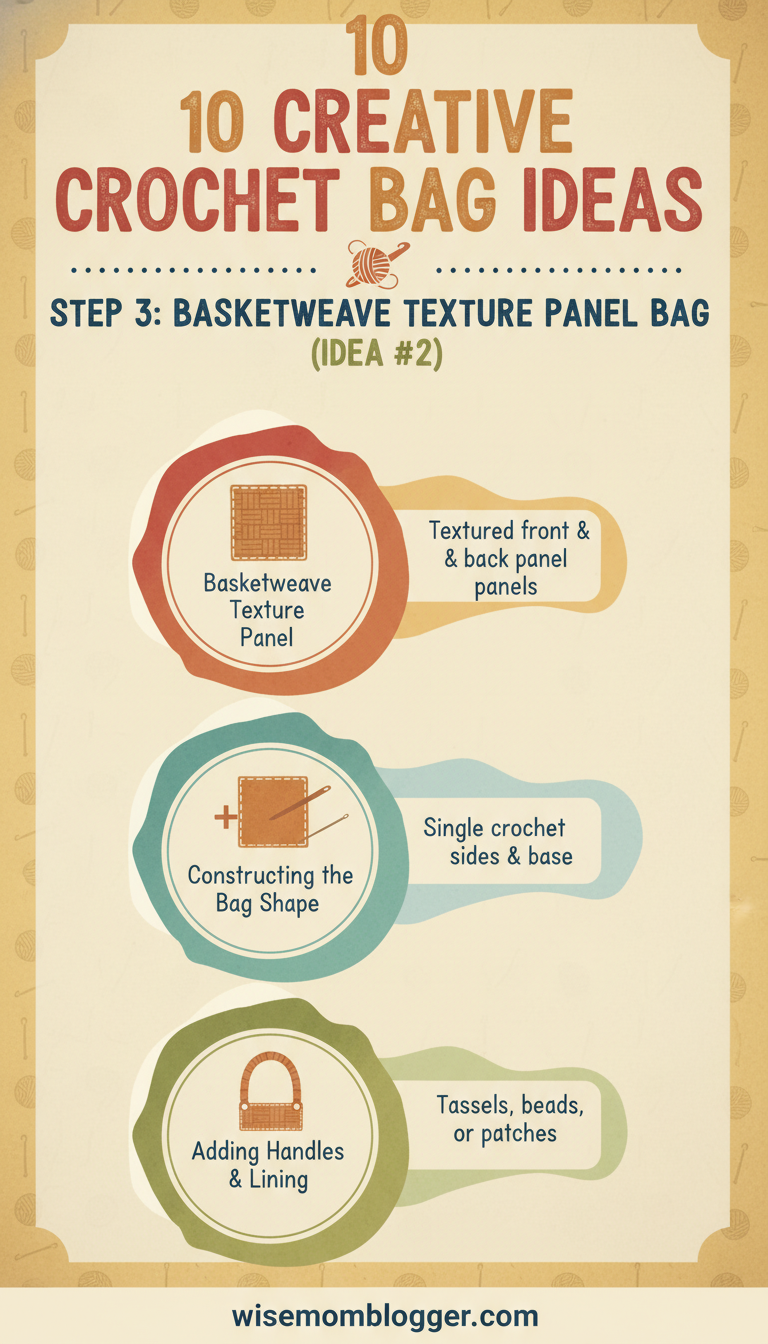
If you want “woven” vibes without weaving, basketweave crochet is such a fun option. I love this one because it adds texture and stiffness at the same time.
How I approach it
- Crochet a thick rectangle panel using a basketweave-style texture stitch.
- Fold and stitch the sides to form the bag shape.
- Keep the top edge neat with a simple edging row.
- Attach a wooden handle (or another firm handle) to finish the look.
Creative twist ideas
- Use basketweave in a neutral color (cream/taupe) and add a bold handle color.
- Make the body one color and add a contrasting strip at the top.
- Add a small puff-stitch accent near the handle attachment points.
What I watch for
Basketweave can be denser than you expect—so I check sizing early. I’ll measure the width of my panel against the shape I want, rather than assuming it will stretch.
Step 4: Pleated/accordion-style panel tote (Idea #3)
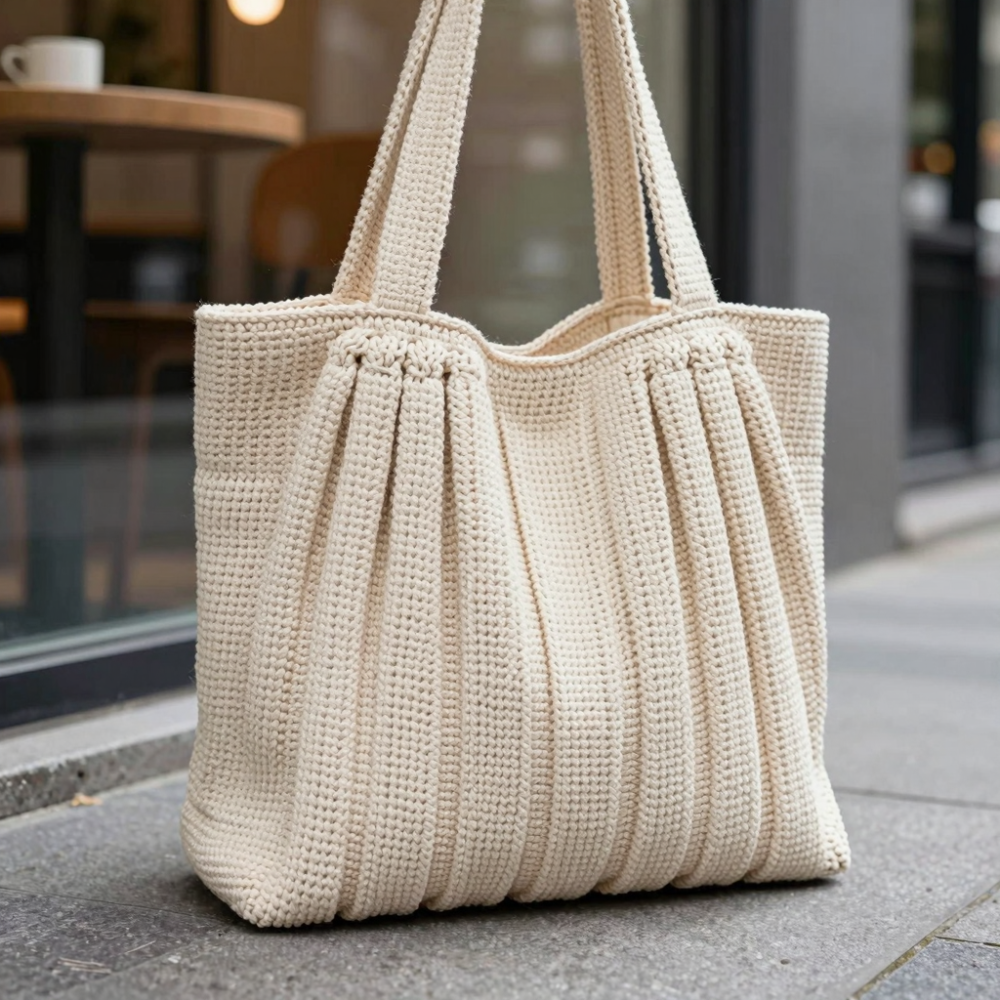
This one feels extra stylish because pleats naturally create volume and movement. When I want a tote that looks “designed,” I go pleated.
How I do the build
- Create a pleated panel by working accordion-style folds while shaping.
- Shape the tote by sewing the bag sides in a way that keeps the pleats lined up.
- Choose straps that support the pleated look:
– thicker straps highlight the structure – narrower straps make it feel more delicate
- Finish the top edge so the pleats don’t flare.
Creative twist ideas
- Add a stripe of contrasting yarn only where the pleats start.
- Make the pleated section the whole “statement,” and keep side panels plain.
- Combine pleats with a simple border around the opening for a clean finish.
Why it works
Pleats give you a 3D design even if you keep the stitch work simple. It’s a great way to look advanced without needing complicated stitch patterns.
Step 5: Easy folded-rectangle crossbody (Idea #4)
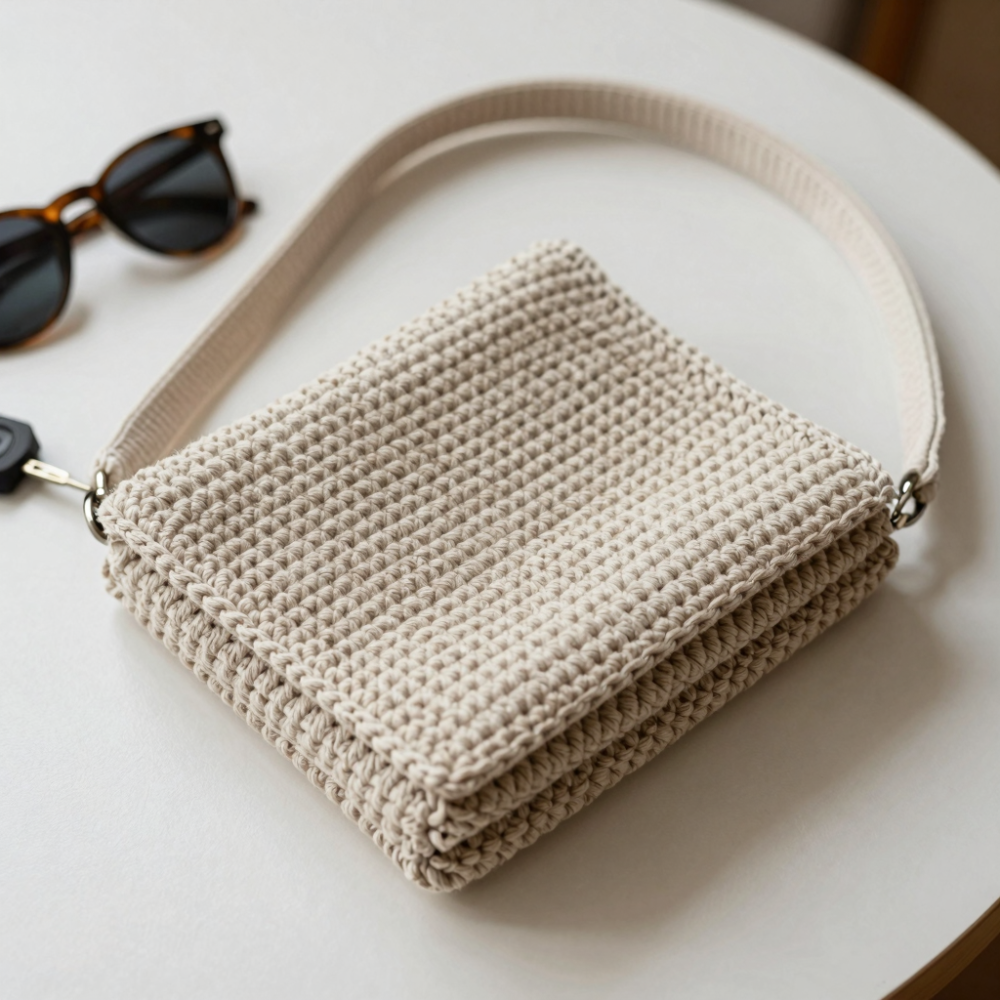
If I want quick results or I’m helping a beginner friend, I choose the folded-rectangle crossbody. It’s simple, but you can still make it look creative.
How I turn it into a “creative” bag
- Make a folded rectangle base (small rectangle, then fold and shape).
- Add style with color blocking:
– Two-tone panels – A contrasting top band – A diagonal color shift
- Use a subtle stitch texture if you want extra interest (like alternating stitch rows).
- Add a crossbody strap with secure attachment points.
Creative twist ideas
- Make one side a plain solid and the other side textured.
- Add a zipper pocket pouch panel (even a simple crochet-front pocket) for function.
- Choose yarn colors that match your everyday outfits for an “I planned this” look.
Why it’s beginner-friendly
It doesn’t demand complex shaping—your fold does most of the work.
Step 6: Drawstring heart/charm pouch (Idea #5)
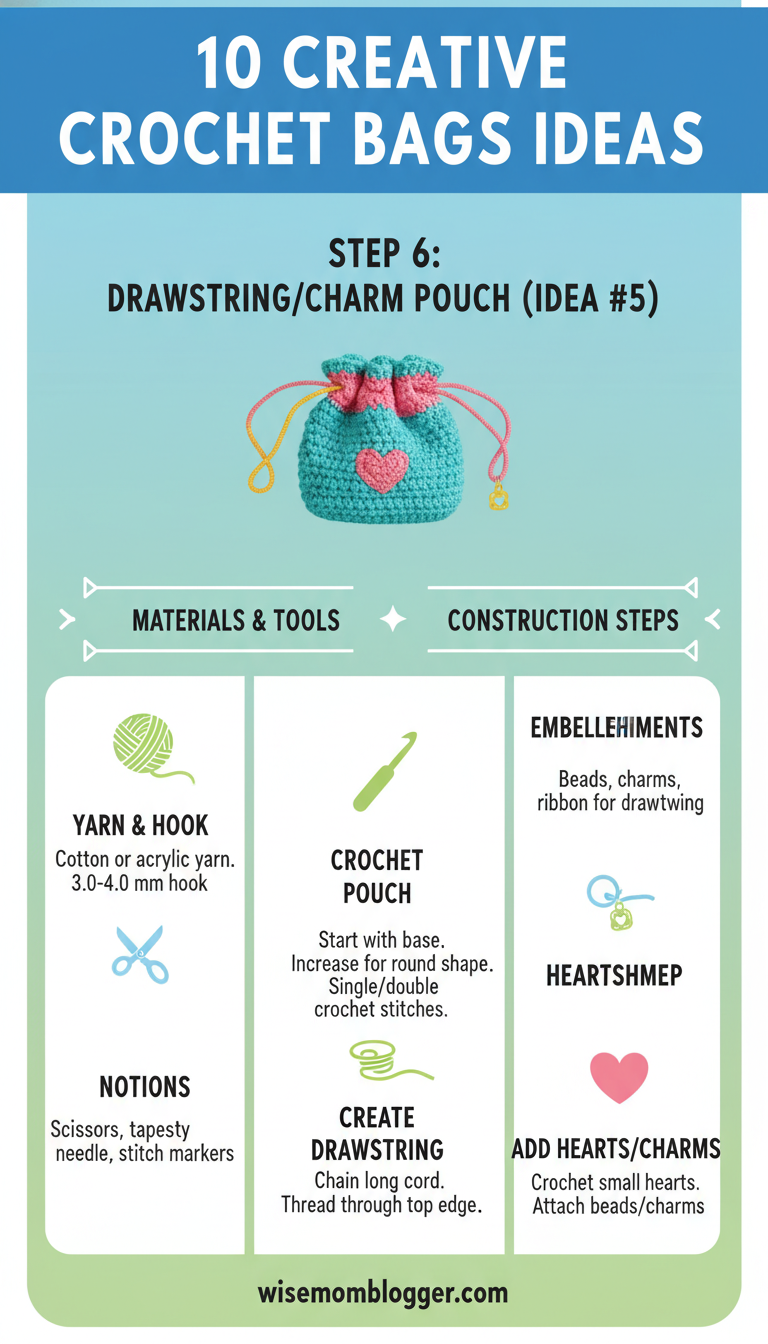
This is the cute-and-useful idea that’s great for small items. I make pouches like this for keys, cards, and travel essentials, and they also make great gifts.
How I design it
- Crochet a pouch body in a shape that works for drawstrings (simple tube or slightly structured rectangle).
- Add a heart-shaped or charm-style focal detail:
– heart motif on the front – puff-stitch heart – or a small applique
- Keep the drawstring opening functional:
– make the opening wide enough to pull cords and access items easily
- Finish the top with a casing or neat edge so the drawstring sits well.
Creative twist ideas
- Use the heart as a removable charm (if you like interchangeable decor).
- Add a tiny puff-stitch border around the heart so it blends in nicely.
- Make mini matching pouches in different colors for a set.
When I choose this
When I want a fast project that still looks special.
Step 7: Pattern-library inspired style mashups (Idea #6)
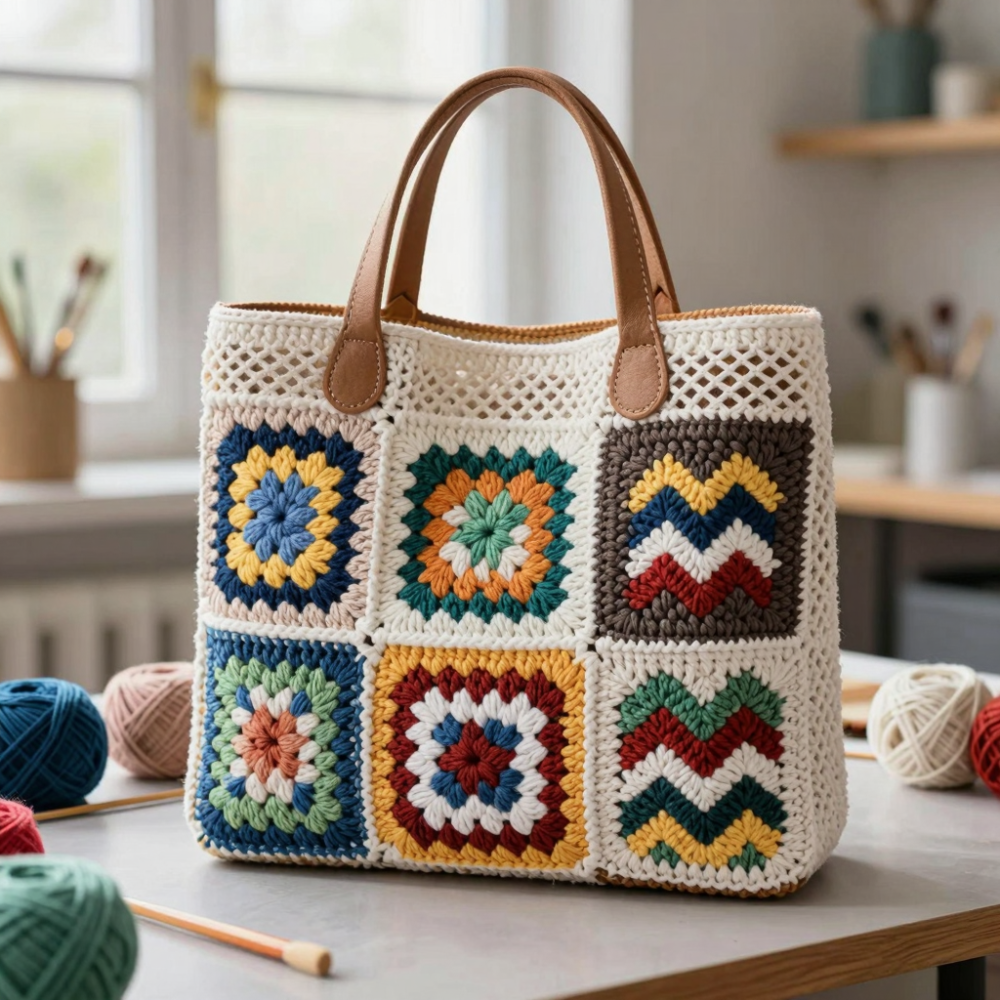
This is my favorite method for creativity: I pick a bag “base type,” then remix details from other patterns.
My mashup formula
- Choose a base bag style (tote, shoulder bag, crossbody, pouch)
- Swap in:
– different stitch textures (basketweave, dense single crochet, puff accents) – different strap styles (yarn straps vs. leather) – different closures (button, snap, drawstring, zipper)
- Keep the construction logic consistent so everything still fits together.
Where this helps most
When I’m using a big pattern library, it’s easy to find:
- lots of tote and bag shapes
- pouch formats like drawstring or folded rectangles
- a variety of skill levels so I can stretch myself gradually
Creative twist ideas
- Make a tote base, but add a crossbody strap for a “hybrid” look.
- Use a pouch closure on a small bag for a secure opening.
- Keep the same stitch texture across multiple bags so your style looks cohesive.
Step 8: Leather strap + mixed-material look (Idea #7)
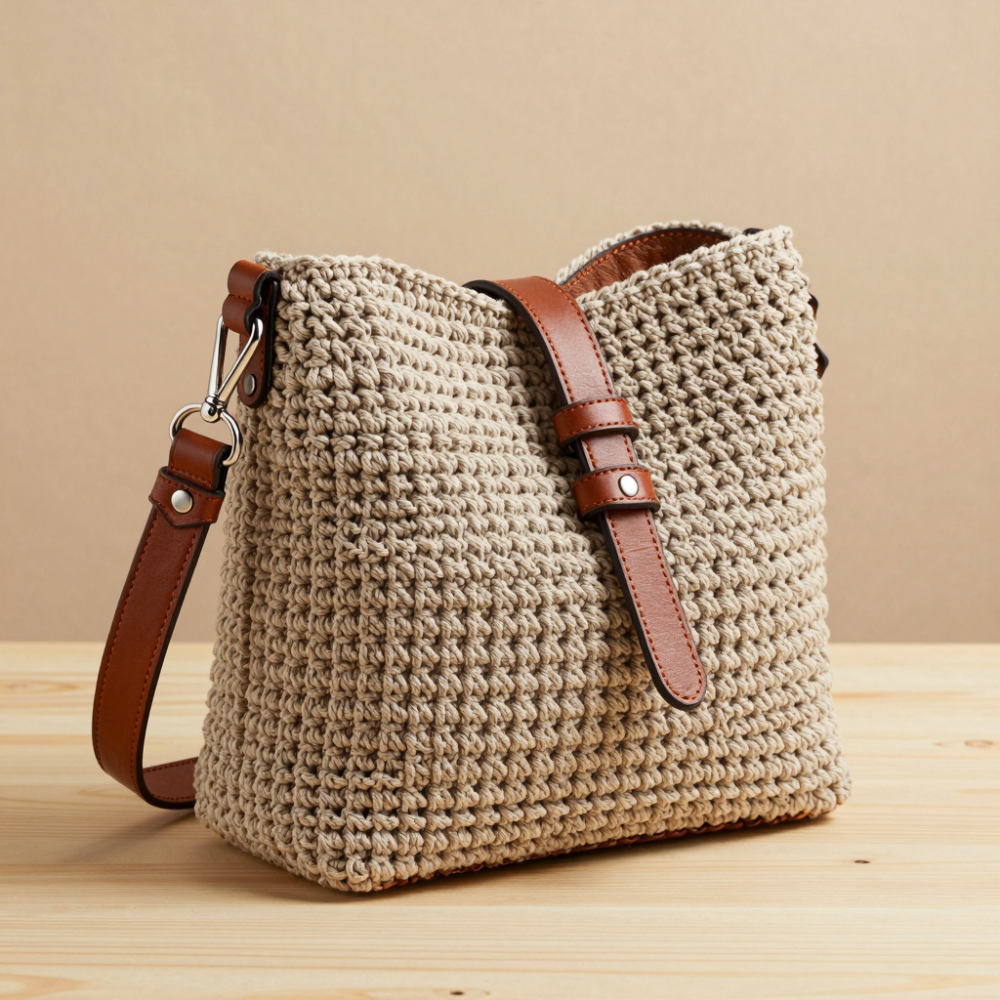
When I want something to look “store-bought,” I use mixed materials—especially leather straps paired with crochet.
How I make it sturdy and polished
- Crochet a simple, structured body (dense stitches are easiest here).
- Plan strap placement early and reinforce where straps attach.
- Attach leather straps securely (sew them on carefully using sturdy stitches).
- Keep the crochet body simple so the leather becomes the star.
Creative twist ideas
- Use leather straps in a color that matches your hardware or accessories.
- Add a small crochet trim near strap attachment points to cover seam edges neatly.
- Choose a clean stitch for the body so the leather looks intentional, not crowded.
Why I like this combo
Crochet adds warmth and texture; leather adds structure and durability. Together, it looks elevated.