Are you craving golden, flaky savory cheddar cheese baked biscuits that taste restaurant-quality but come straight from your own oven? These homemade baked biscuits with sharp cheddar are the perfect addition to any meal, whether you’re hosting a cozy dinner party, bringing them to a holiday gathering, or simply treating yourself to warm, melty comfort food. When you make cheddar cheese biscuits from scratch, you control every ingredient and get that irresistible flaky texture that store-bought versions can’t match. Perfect for holiday entertaining and special occasions, these easy baked biscuits deliver impressive results with straightforward steps. Let me walk you through exactly how to create savory cheddar cheese baked biscuits that’ll have everyone asking for seconds.
Key Takeaways
- Cold butter is absolutely essential; it creates steam inside the biscuits as it melts in the oven, resulting in airy, flaky layers
- Freshly shredded cheddar cheese from a block performs better than pre-shredded varieties because it melts more smoothly and evenly
- The flatten-and-fold technique before cutting biscuits develops the flakiest texture possible
- A simple brush of melted butter right after baking enhances both flavor and that beautiful golden appearance
- This recipe typically yields around 12 biscuits and works beautifully for entertaining or meal prep
Quick Answer
Savory cheddar cheese baked biscuits are made by cutting cold butter into flour, mixing in freshly shredded sharp cheddar, adding a milk and honey mixture, and gently combining until just incorporated. Pat the dough into a rectangle, fold it like a letter, cut into biscuits, and bake on the center oven rack until golden. Brush with melted butter immediately after baking for maximum flavor and a gorgeous finish.
What You Need
| Item | Purpose | Notes |
|---|---|---|
| All-purpose flour | Dry base for biscuit structure | Measure by spooning and leveling for accuracy |
| Cold butter | Creates steam pockets for flaky layers | Must stay cold until mixing; cut into small cubes |
| Sharp cheddar cheese | Provides rich, savory flavor | Freshly shredded from a block works best |
| Buttermilk or whole milk | Binds dry ingredients into dough | Cold liquid helps keep butter cold during mixing |
| Honey | Adds subtle sweetness to balance cheese | Warm slightly to combine easily with milk |
| Baking powder | Leavening agent for rise | Ensures biscuits are tender and airy |
| Salt | Enhances cheese flavor | Typically one-half to one teaspoon |
| Melted butter | Final brush topping | Applied immediately after baking for shine |
Step 1: Gather and Chill Your Ingredients
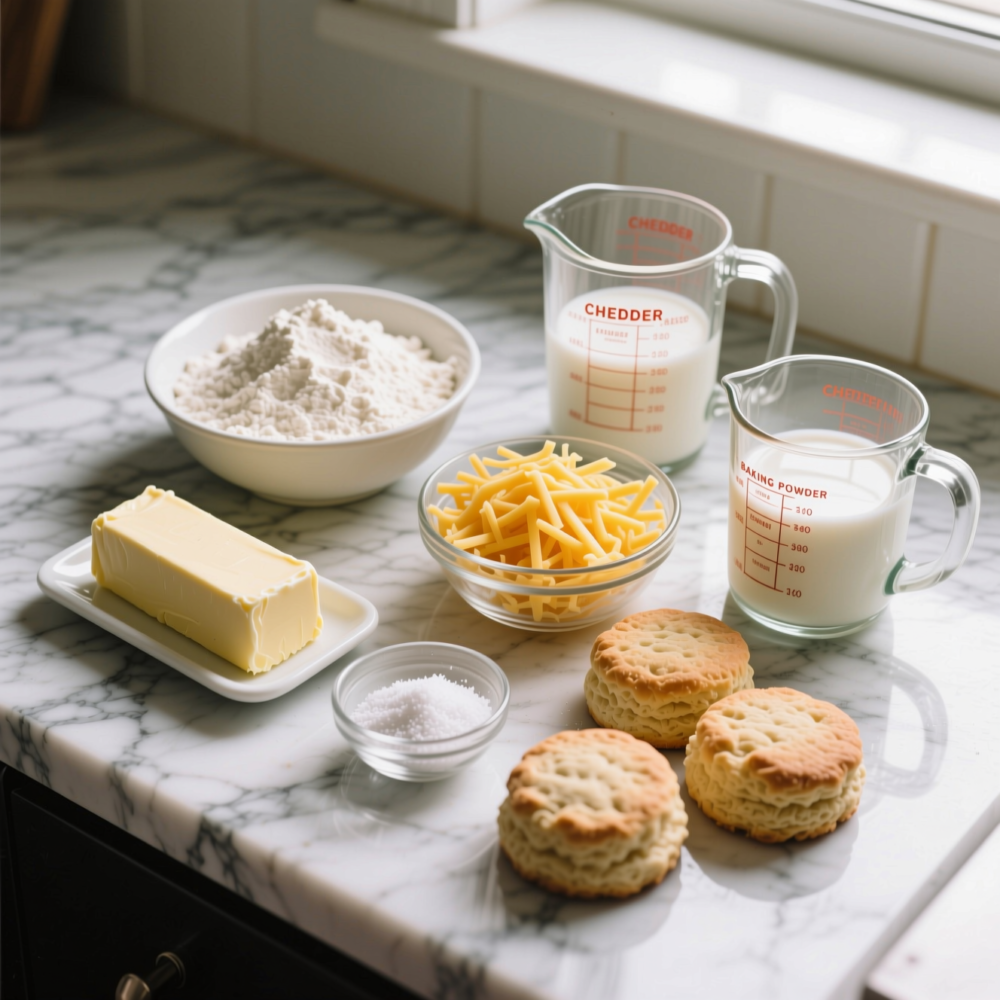
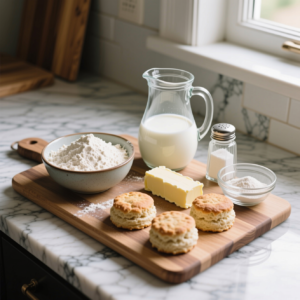
Before you start mixing, take time to prepare everything properly. Cut your cold butter into small cubes (about one-quarter inch) and place it back in the refrigerator until you’re ready to use it. Having everything cold is non-negotiable if you want those signature flaky layers. Shred your sharp cheddar cheese fresh from a block if possible—pre-shredded cheese contains anti-caking agents that prevent it from melting as smoothly and evenly throughout the biscuits. Pour your buttermilk into a small bowl and keep it in the fridge as well. This step takes just a few minutes but makes a tremendous difference in your final results.
Step 2: Combine Dry Ingredients
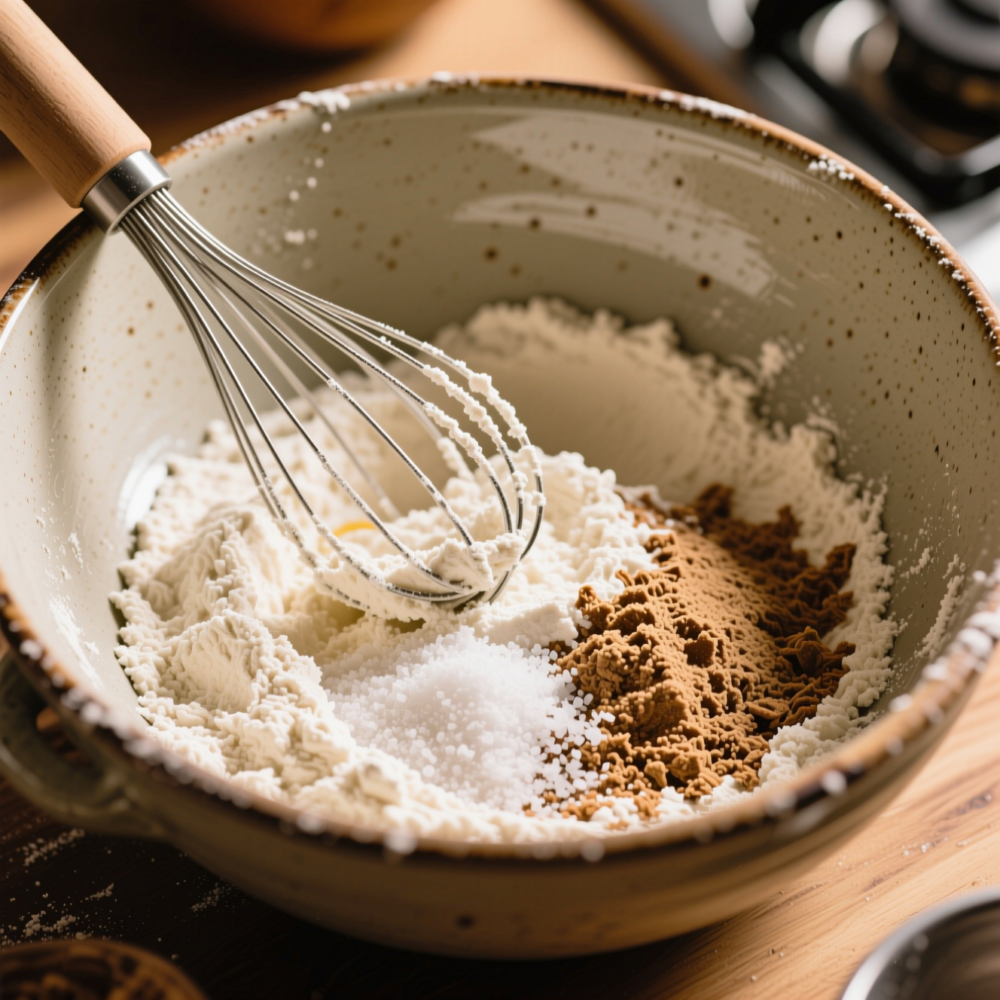
Measure out your flour and place it in a large mixing bowl, then add baking powder and salt. Whisk these dry ingredients together thoroughly to distribute the baking powder evenly—this ensures every biscuit rises uniformly. According to Sally’s Baking Addiction, achieving a consistent rise depends on properly distributing your leavening agent throughout the flour before you add any wet ingredients. Set this mixture aside and make sure your work surface is clean and ready for the next step.
Step 3: Cut Cold Butter Into the Flour Mixture
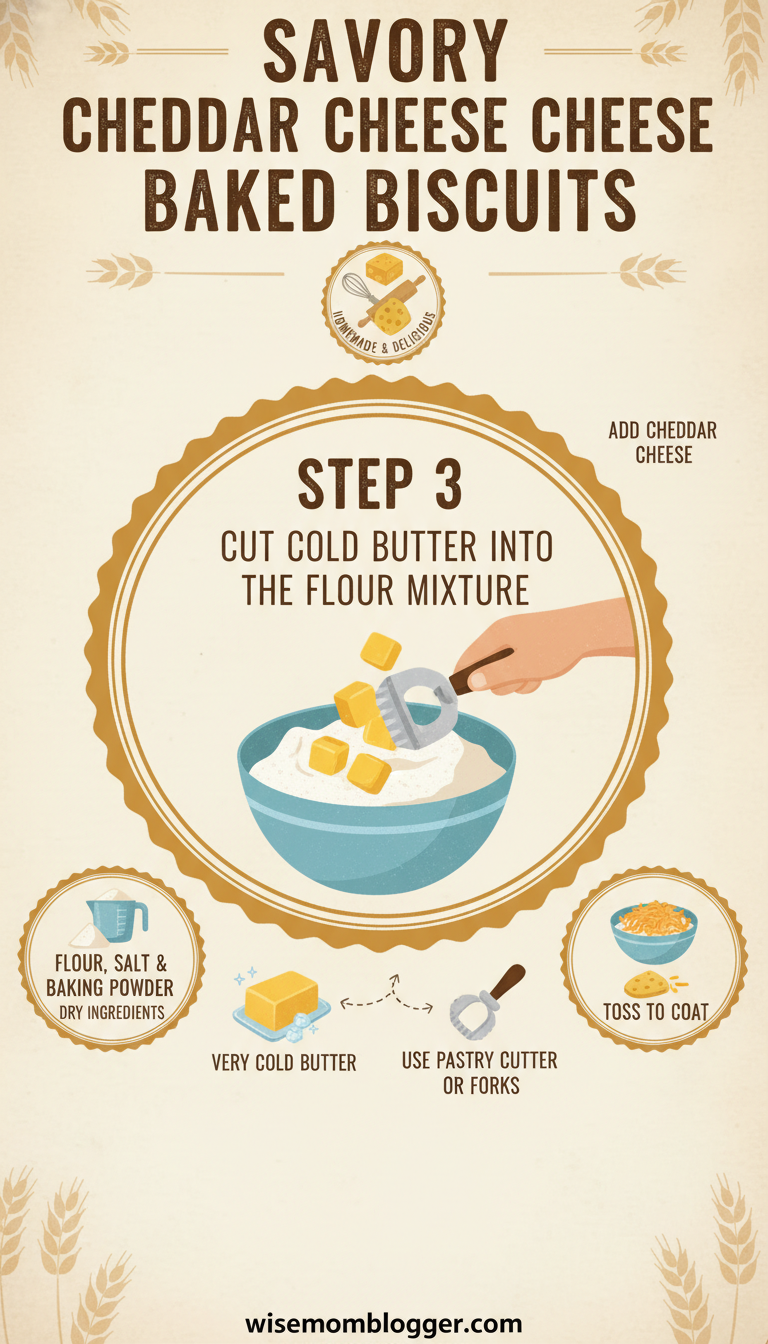
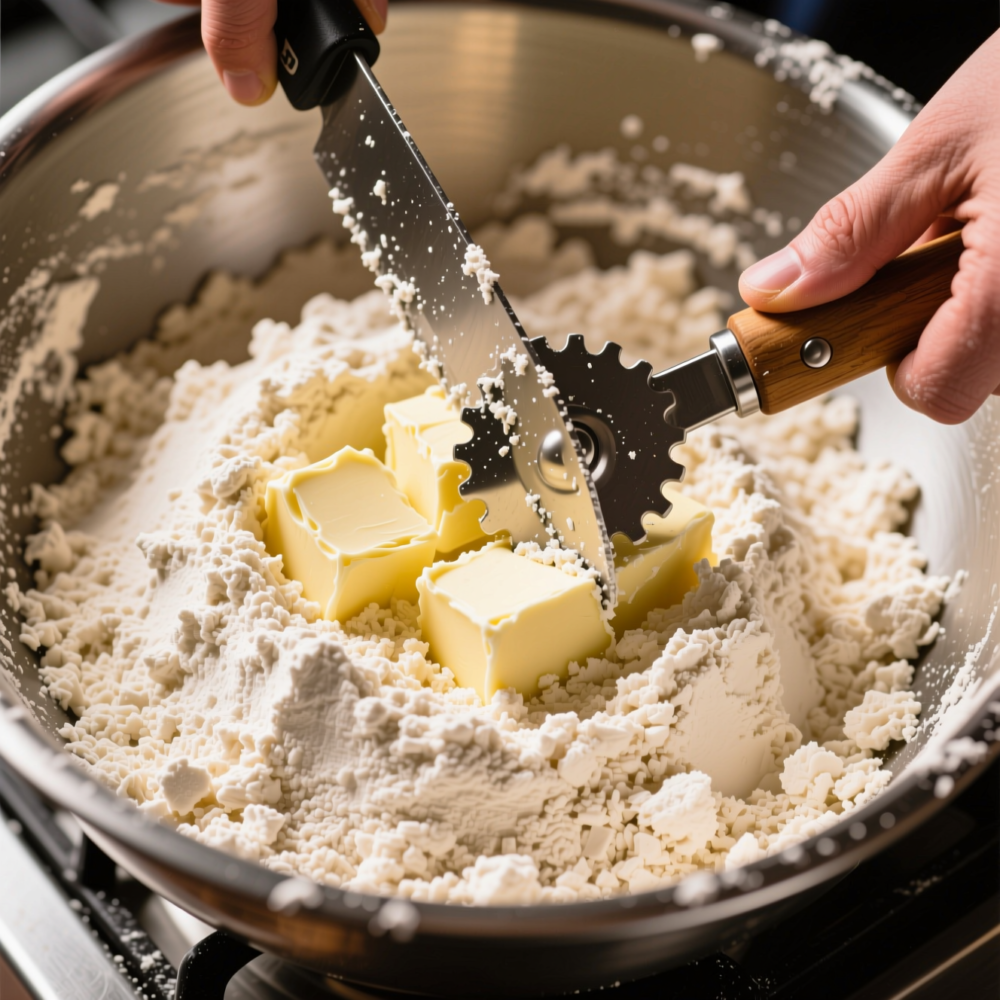
This step is crucial for creating those coveted flaky layers. Remove your cold butter cubes from the refrigerator and add them to your flour mixture. Using a food processor or pastry cutter, work the butter into the flour until the mixture resembles coarse breadcrumbs with visible flour-coated butter pieces. As Preppy Kitchen explains, when the cold butter melts in the oven, it creates steam that produces airy, flaky layers—so you actually want to see small butter chunks throughout, not a smooth dough. This process typically takes one to two minutes if you’re using a food processor. Avoid overworking the mixture, as this will warm the butter and compromise your texture.
Step 4: Mix in the Shredded Cheddar and Create the Wet Mixture
Fold your freshly shredded sharp cheddar cheese into the flour-butter mixture using a gentle hand. Stir it in until the cheese is evenly distributed. In a separate small bowl, warm your honey slightly (about fifteen to twenty seconds in the microwave works perfectly), then whisk it together with your cold buttermilk until combined. According to Half Baked Harvest, mixing shredded butter and sharp cheddar cheese into the flour, then adding milk and honey while mixing gently until just combined, is the key to keeping your dough tender. Pour this wet mixture into your flour-cheese combination and fold everything together with a rubber spatula or wooden spoon, being careful not to overmix. The dough should just come together—stop mixing as soon you don’t see dry flour anymore.
Step 5: Pat, Fold, and Shape Your Dough
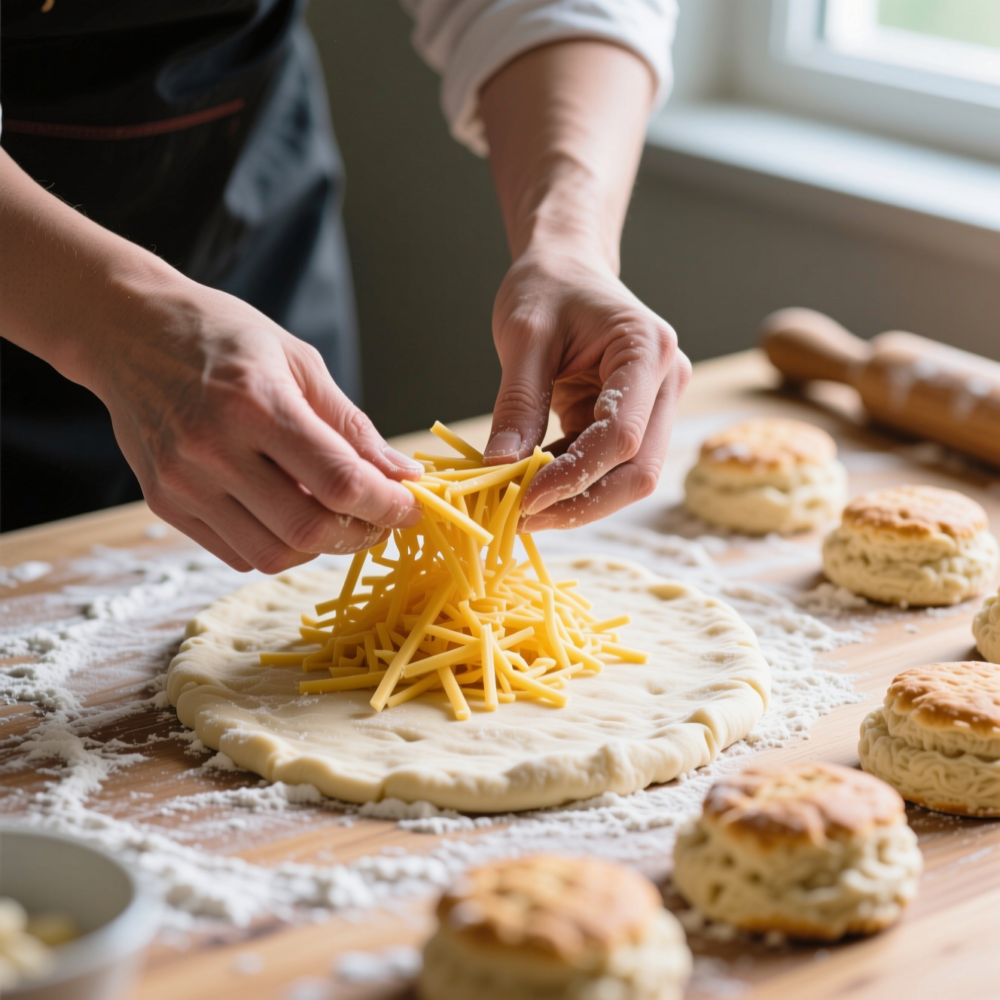
Turn your dough out onto a lightly floured counter and pat it gently into a rectangle about one-quarter inch thick. Here’s where the magic happens: fold the dough in from the sides toward the center, like you’re folding a letter into thirds. This flattening and folding technique creates those beautiful flaky layers everyone loves. Sally’s Baking Addiction notes that for the flakiest cheddar biscuits ever, you should flatten and fold the dough before cutting into biscuits. Once you’ve completed the fold, pat the dough down again gently to about three-quarter inch thickness. Your biscuits will puff up as they bake, so don’t make them too thick at this stage.
Step 6: Cut and Arrange Your Biscuits
Using a sharp biscuit cutter (about two and one-quarter inches in diameter) or a drinking glass, cut your biscuits straight down without twisting—twisting can seal the edges and prevent the biscuits from rising properly. Arrange them on a parchment-lined baking sheet, leaving about two inches between each biscuit so steam can circulate. If you have leftover dough scraps, gently press them together, fold them once more, and cut additional biscuits. Any trimmings should be treated gently to avoid toughening the dough. You should end up with approximately twelve biscuits, though exact yield depends on your cutter size.
Step 7: Bake Until Golden Brown
Preheat your oven to four hundred and fifty degrees Fahrenheit about fifteen minutes before baking. Place your baking sheet on the center oven rack—this ensures even heat circulation and prevents the bottoms from browning too quickly. Bake for twelve to fifteen minutes, watching carefully until the biscuits turn a beautiful golden brown on top. According to Sum of Yum, placing the baking sheet onto the center rack of your preheated oven and baking until golden is the standard method that produces consistent results. The timing can vary depending on your oven, so keep an eye on them during the last few minutes.
Step 8: Brush with Melted Butter and Serve
Remove your biscuits from the oven and immediately brush each one with melted butter. This final step enhances the flavor, adds richness, and creates that appealing glossy finish. The residual heat from the baking sheet will continue cooking the biscuits slightly while you brush them. Serve your savory cheddar cheese baked biscuits warm, ideally straight from the oven when the cheese is still melty and the butter is soaking into every layer. These biscuits are best enjoyed within a few hours of baking, though they can be stored and reheated.
Tips
- Use a pastry cutter or bench scraper instead of your hands when possible to avoid warming the dough with body heat
- Chill your mixing bowl and utensils in the freezer for five minutes before starting if your kitchen is particularly warm
- Don’t skip the fold: that single fold-like-a-letter step genuinely makes a noticeable difference in flakiness compared to biscuits made without it
- Measure flour correctly by spooning it into your measuring cup and leveling the top with a knife rather than scooping directly from the bag, which packs flour and throws off your ratios
- Make a double batch and freeze unbaked biscuits on a tray before transferring them to a freezer bag—you can bake them directly from frozen, adding just two or three extra minutes to the baking time
- Sharp cheddar is your friend because its stronger flavor stands up to the other ingredients without getting lost; mild cheddar tends to disappear once baked
- Brush with herb butter if you want extra flavor—mix melted butter with fresh rosemary, thyme, or garlic powder before brushing
- Let biscuits cool for just two to three minutes before serving so the cheese sets slightly but the biscuits are still warm
FAQ
Can I use pre-shredded cheddar cheese instead of shredding it myself? While you technically can, pre-shredded varieties contain anti-caking agents that prevent smooth, even melting. Freshly shredded cheese from a block delivers superior texture and flavor, and the extra thirty seconds of shredding is absolutely worth the difference in your finished biscuits.
What’s the difference between making drop biscuits and cut biscuits? Cut biscuits (the method described here) use the fold-and-fold technique to maximize flakiness through layering. Drop biscuits are simply spooned onto the baking sheet, creating a more cake-like crumb. For the flakiest cheddar biscuits, the cut method is superior.
How do I store leftover cheddar biscuits? Keep cooled biscuits in an airtight container at room temperature for up to two days. Reheat them wrapped in foil at three hundred and fifty degrees for about ten minutes. You can also freeze baked biscuits for up to three months and reheat them directly from frozen.
Can I make these biscuits ahead of time? Yes—prepare the unbaked biscuits, place them on a baking sheet, and freeze until solid. Transfer them to a freezer bag and bake directly from frozen, adding two to three minutes to your baking time.
What’s the best way to reheat leftover biscuits? Wrap them loosely in foil and warm them in a three hundred and fifty degree oven for about ten minutes. This restores the flaky texture better than microwaving, which can make them rubbery.
Why did my biscuits turn out dense instead of fluffy? Dense biscuits usually result from either overmixing the dough (which develops gluten and toughens the crumb) or using warm butter instead of cold. Make sure your butter stays cold and handle the dough gently.
Can I add other flavors to these cheddar biscuits? Absolutely. Try mixing in fresh herbs like chives, thyme, or rosemary; add a pinch of cayenne pepper for heat; or stir in cooked crumbled bacon. Keep any additions to about one-quarter cup so you don’t overwhelm the cheese flavor.
How much cheddar cheese should I use? Typically, one and one-half to two cups of shredded cheddar per batch works well. The exact amount depends on your cheese preference and your basic recipe ratio. Start with one and one-half cups and add more if you want an extra-cheesy result.
2026 Trends
The movement toward from-scratch baking continues to gain momentum in 2026, with home bakers increasingly prioritizing quality ingredients over convenience. Artisanal cheese varieties—including aged cheddars, smoked cheddars, and cheddar blends—are becoming more popular in home baking as farmers’ markets and specialty grocery stores expand their offerings. Savory baked goods like cheddar biscuits fit perfectly into the broader trend of elevated comfort food, where traditional recipes receive minor flavor upgrades through better-quality components. Additionally, the focus on quick, impressive entertaining continues to make recipes like these appealing; they’re impressive enough for guests yet simple enough for weeknight dinners. Many home bakers are also experimenting with whole grain or alternative flours mixed with traditional all-purpose flour in classic recipes, though the traditional method remains the gold standard for achieving maximum flakiness in cheddar biscuits.
Conclusion
Making savory cheddar cheese baked biscuits at home is genuinely easier than you might think, and the results far surpass anything you’ll find in a grocery store or restaurant. By understanding why each step matters—from keeping your butter cold to creating steam, to gently folding your dough for flaky layers—you’re set up for success from the very first mixing bowl. These golden, melty, flaky biscuits belong on your table for holiday entertaining, casual weeknight dinners, or whenever you want to impress people with homemade goodness. The key techniques aren’t complicated, but they do require attention and care. Start with freshly shredded sharp cheddar, keep everything cold, fold your dough thoughtfully, and brush with butter the moment the biscuits leave the oven. Your family and guests will taste the difference that quality ingredients and proper technique make. These cheddar biscuits freeze beautifully, reheat wonderfully, and taste absolutely amazing warm with a cup of soup or alongside your favorite main dish. Give this recipe a try, and you’ll understand why homemade cheddar biscuits deserve a permanent place in your baking rotation.
References
- Sum of Yum. Easy Cheddar Biscuits Made from Scratch. https://sumofyum.com/recipe/cheddar-biscuits/
- Sally’s Baking Addiction. Cheddar Biscuits (Like Red Lobster). https://sallysbakingaddiction.com/homemade-cheddar-biscuits/
- Half Baked Harvest. Homemade Honey Butter Cheddar Biscuits. https://www.halfbakedharvest.com/cheddar-biscuits/
- The Pioneer Woman. Cheddar Biscuits Recipe – Easy Cheddar Biscuits. https://www.thepioneerwoman.com/food-cooking/recipes/a62804448/cheddar-biscuits-recipe/
- Preppy Kitchen. Cheddar Biscuits. https://preppykitchen.com/cheese-biscuit/

Sarah Anderson . J
I’m the mom behind Wise Mom Blogger, where everyday creativity meets real-life motherhood. I share easy DIY crafts, cozy knitting and crochet projects, beginner-friendly sewing ideas, and family-tested recipes—plus quick baking hacks that make homemade feel doable on busy days.