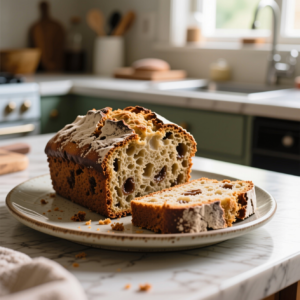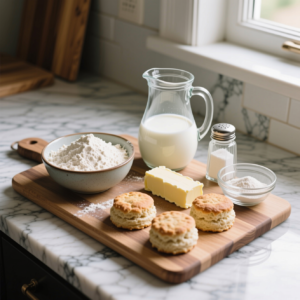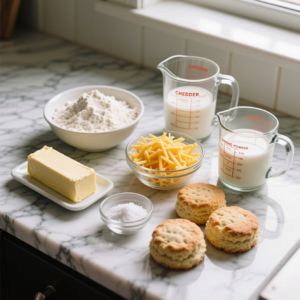
Vanilla cookies are one of those “always welcome” treats—simple, cozy, and easy to share. And when you use the classic creaming method, the dough comes together fast and bakes up beautifully without fuss. According to a few popular vanilla cookie recipes, the most reliable shortcut is to cream butter and sugar first so the dough gets light and fluffy before you add the flour. That small step helps cookies spread evenly, bake with a tender crumb, and turn out consistently for beginners. If you want a dessert that feels like comfort food but doesn’t take hours, this easy vanilla cookie method is a great fit for weeknights, bake sales, and last-minute guests. Let’s get you from mixing bowl to buttery vanilla goodness—quickly and confidently.
Quick Answer
Here’s the simplest formula I follow for easy vanilla cookies: Cream softened (room-temperature) butter and granulated sugar until light and fluffy (about 3 minutes), mix in vanilla (and eggs if your recipe uses them), then mix in the dry ingredients. Bake at 350°F (175°C) until the edges are set and the cookies look lightly golden.
Key Takeaways
- The “easy” part comes from classic creaming: butter + sugar first for a light cookie.
- Use room-temperature butter (and eggs, if included) so the dough mixes evenly.
- Bake at 350°F for the most dependable texture and spread.
- Whisk dry ingredients separately (flour, baking powder if using, salt) before combining.
- Don’t overmix once the flour goes in—this helps keep cookies tender.
- You can tailor the results: more mixing time and less chilling tend toward firmer/crisper, while gentler mixing helps keep them soft.
1. Why These Are “Easy” Vanilla Cookies
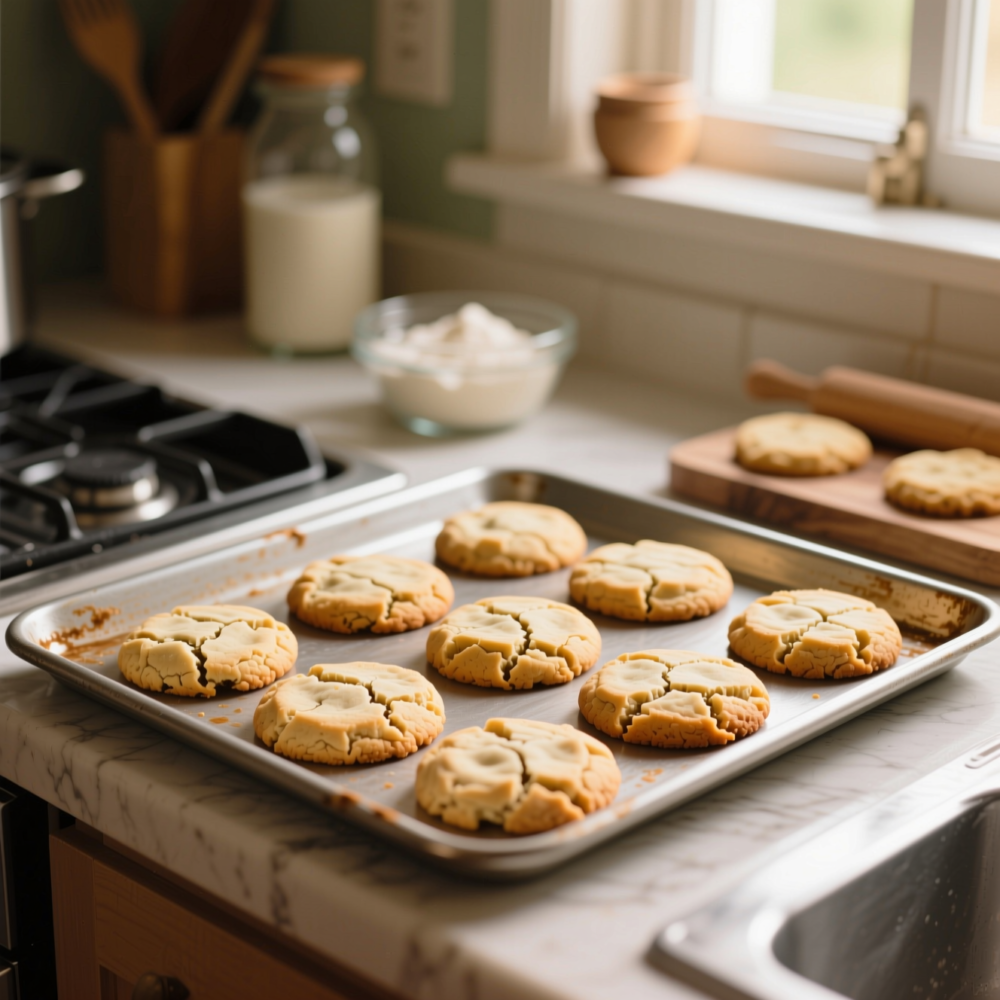
I love easy vanilla cookies because they’re beginner-friendly in a very practical way: the method is forgiving, and you’re using a step most people can master quickly. The key is the core technique many trusted vanilla cookie recipes share—cream butter and sugar until the mixture is lighter before you add the dry ingredients. That’s what builds air in the dough, helping cookies bake up fluffy and light rather than dense.
What makes them “easy” for real life
- Simple ingredients: butter, sugar, vanilla, flour (and optional eggs, baking powder, and salt).
- No special tools needed: a mixing bowl, spoon or hand mixer, baking sheet, parchment (optional but helpful).
- Clear cues: bake at 350°F and watch for lightly golden edges.
2. Ingredients (Vanilla Cookie Essentials)
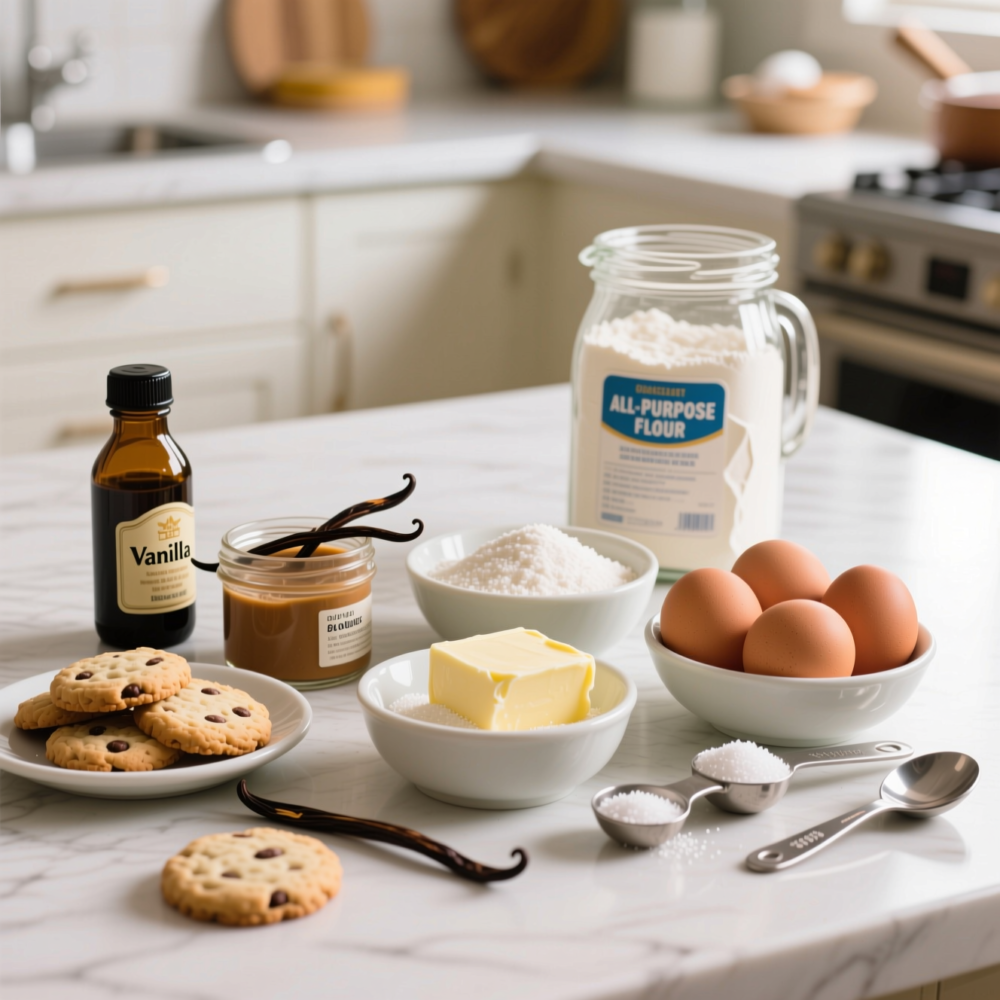
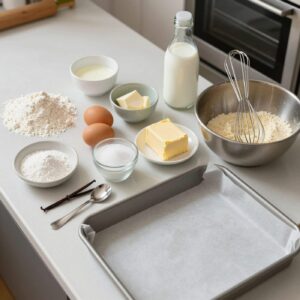
To keep this truly easy, I use the classic building blocks. Different recipes vary slightly (some use baking powder, some include eggs), but the vanilla flavor comes from the same basics.
Vanilla cookie ingredient list (what I recommend)
- Unsalted butter, softened to room temperature
- Granulated white sugar
- Vanilla extract (or vanilla paste if you have it)
- All-purpose flour
- Salt (either mixed into the dough or added separately)
- Baking powder (optional, depending on how thick/fluffy you want them)
Egg notes (choose your style)
Some easy vanilla cookie recipes include eggs for a richer dough, while others skip them for a more classic butter cookie feel. If you use eggs, I recommend room-temperature eggs so the dough comes together smoothly.
3. Key Prep Steps for Best Texture
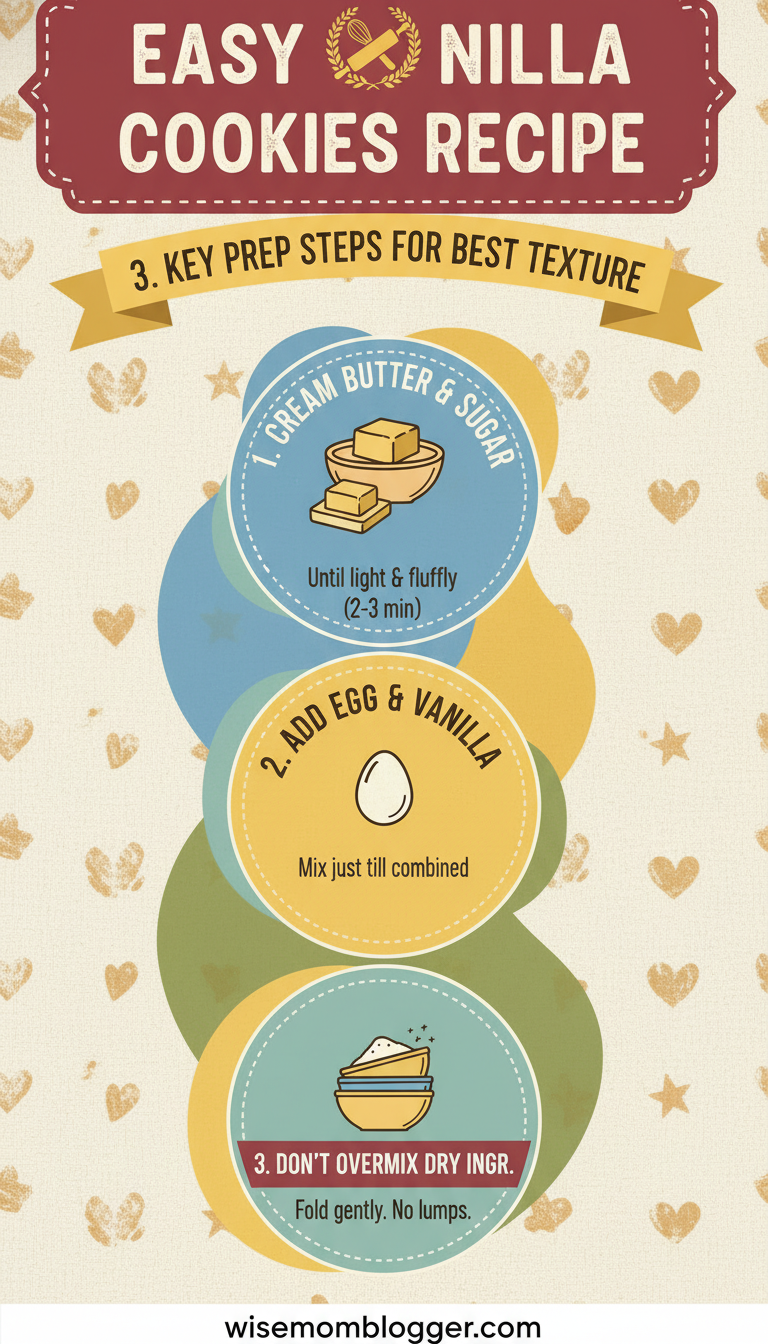
If I had to pick one “secret weapon” for easy vanilla cookies, it would be prep temperature and setup. When butter is softened correctly and your dry ingredients are ready, the dough behaves.
My go-to prep checklist
- Preheat oven to 350°F (175°C).
- Soften butter until it’s spreadable but not melted.
- Line the baking sheets with parchment paper or a silicone mat so cookies release easily.
- Whisk dry ingredients together in a separate bowl before combining—this avoids flour pockets.
Why room temperature matters
Room-temperature butter creams more smoothly with sugar. That helps create a lighter dough texture. Many popular vanilla cookie recipes highlight creaming butter and sugar to add air, and they also recommend room-temperature butter (and eggs when used) for even mixing.
4. Make the Cookie Dough (Step-by-Step)
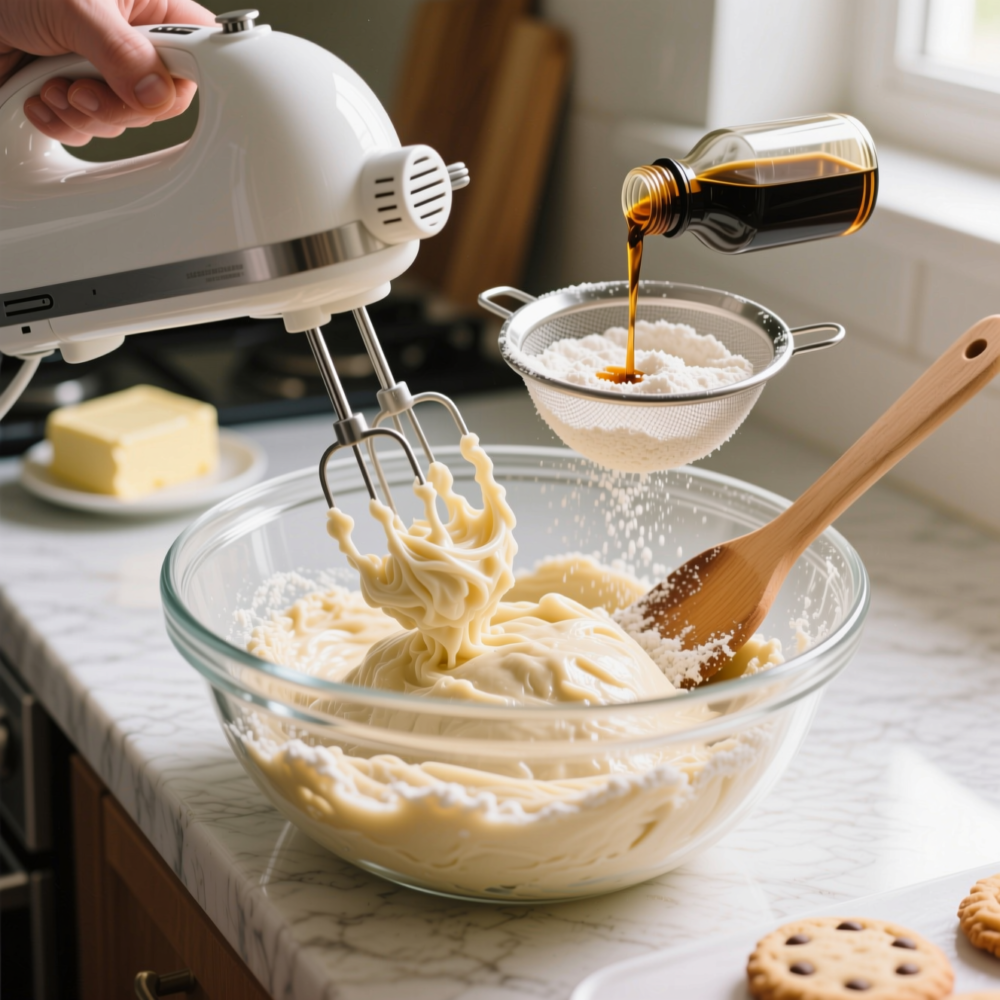
This is the heart of the recipe—the part that makes easy vanilla cookies turn out consistently.
Step-by-step dough
- Cream butter and sugar
In a bowl, beat softened butter and granulated sugar until light and fluffy. A common benchmark is about 3 minutes, and it’s one of the most repeated tips across vanilla sugar cookie recipes.
- Add vanilla (and eggs, if using)
Mix in vanilla extract. If your version uses eggs, add them one at a time and mix until combined.
- Whisk dry ingredients
In a separate bowl, whisk flour, baking powder (if using), and salt.
- Combine gently
Add the dry mixture to the creamed mixture and mix just until the dough comes together.
- Rest briefly (optional but helpful)
If the dough feels too soft to scoop neatly, I let it chill for about 15–30 minutes.
What “don’t overmix” means (and why it matters)
Once flour goes in, overmixing can make cookies tougher. In plain terms: mix until you don’t see dry flour, then stop. The dough should look smooth and workable, not elastic or chewy.
5. Shape and Portion
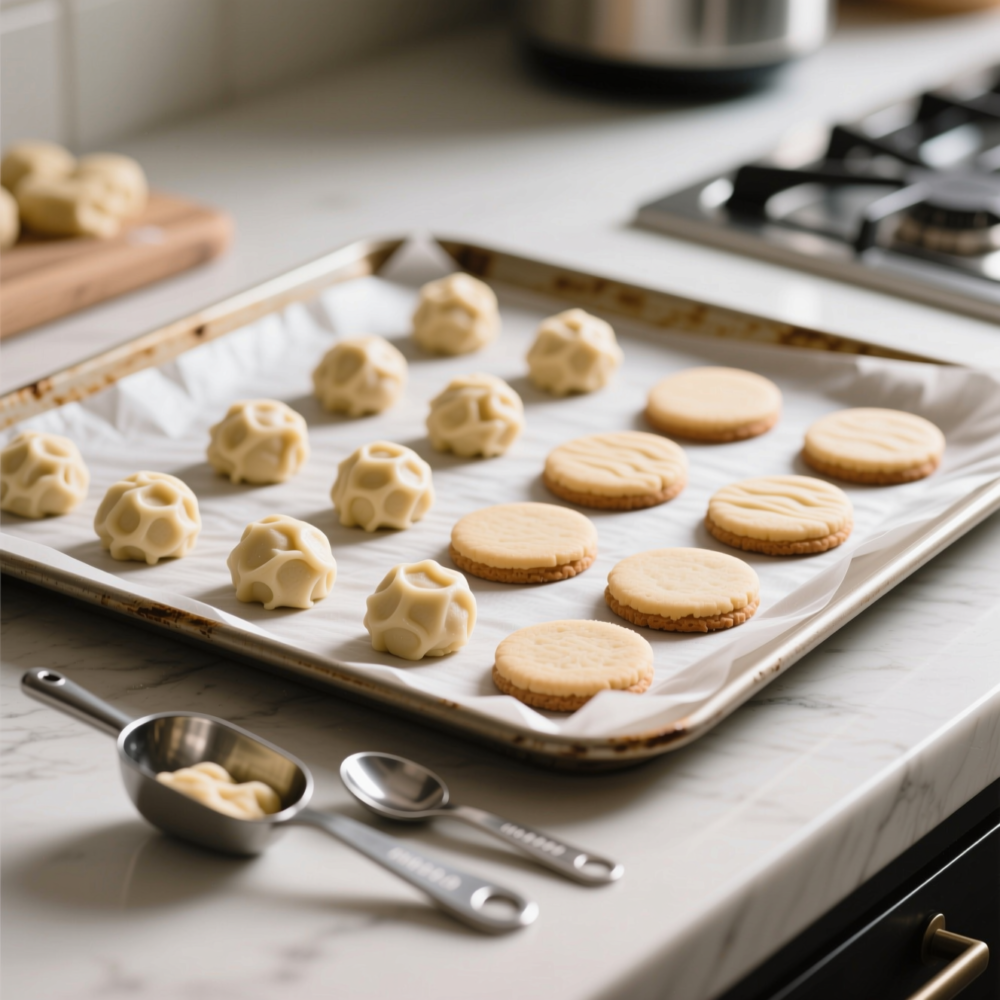
Shaping affects baking more than people think. If the cookies are uneven, some will overbake while others stay pale.
Easy shaping options
- Drop cookies (simplest)
Scoop tablespoon-sized portions and place them on the tray.
- Slightly flattened rounds
After scooping, gently press each ball down a little so they bake more evenly.
- Uniform cookie scoop (best for consistency)
Use the same scoop size for every cookie.
Spacing guidance
- Leave a little space between cookies so they can spread.
- If your dough is soft and you see big spreading, chill the dough briefly before baking.
Drop vs. shaped cookies
If you want a classic “cut-out” look, you usually need a firmer dough and different technique. For this easy vanilla cookies method, I focus on drop-style cookies because they’re fast, no-fuss, and reliable.
6. Bake Until Lightly Golden
This is where your patience pays off: watch the edges and color rather than chasing a perfectly timed minute-by-minute bake.
Bake settings (the dependable part)
- Bake at 350°F (175°C).
- Expect cookies to bake until the edges look set and the tops look lightly golden.
How I check doneness
- Edges set: they look less shiny.
- Color: tops should be pale-to-light golden.
- Center: should look set enough to hold shape when you nudge the tray.
Cooling for best texture
I let cookies cool on the baking sheet for a few minutes, then move them to a rack. This keeps them from breaking and helps them finish setting.
7. Simple Variations and Flavor Tweaks
Once you’ve nailed the base, you can tweak your vanilla cookies without turning the recipe complicated.
Easy vanilla upgrades
- Add a little more vanilla (start small, because vanilla can turn strong fast).
- Try vanilla paste if you want a deeper vanilla flavor and a slightly speckled look.
Salt balance tweaks
Some recipes add salt separately or emphasize salt to sharpen sweetness. Salt can make vanilla taste more “awake,” especially when your cookies taste flat or overly sweet.
Texture direction: crisp vs. soft/chewy
- More creaming / gentler flour mixing can lead toward a lighter, more tender bite.
- Mixing longer after flour is added can make cookies chewier or tougher.
- If your cookies end up too crisp, slightly underbake and cool more gently.
Quick customization table
| What you want | What to adjust | Why it helps |
|---|---|---|
| More vanilla flavor | Add a bit more vanilla extract | Boosts aroma without changing structure |
| Slightly richer dough | Use eggs (if your base includes them) | Eggs add moisture and structure |
| More tender cookies | Mix flour in briefly | Prevents gluten buildup from overmixing |
| Better crunch | Bake a minute longer and cool fully | More time = more drying and browning |
| Easier release | Use parchment or silicone mats | Prevents sticking and tearing |
8. Storage and Make-Ahead Tips
I’m all about cookies you can plan for. Easy vanilla cookies are great for busy schedules because they store well and can be made ahead.
Room-temperature storage
- Store baked cookies in an airtight container at room temperature.
- Keep them away from heat and humidity so they stay crisp (or at least their original texture).
Make-ahead dough plan
- You can often freeze dough (portion it into balls, then freeze on a tray and transfer to a container).
- When baking from frozen, you may need a slightly longer bake time—watch for light golden edges.
Freezing baked cookies
- Let cookies cool completely, then freeze in a sealed container.
- Thaw at room temperature to keep them from turning soggy.
Re-crisping tip (if needed)
If your cookies soften after storage, a short refresh in a low oven can help. I keep an eye on them because they can go from “refreshed” to “overbaked” quickly.
- Re-crisp goal: warm just enough to dry the surface a little.
- Don’t overdo it: vanilla cookies go from perfect to dry fast.
9. Tools That Make This Even Easier
You don’t need fancy equipment, but a few helpful items can make the whole process smoother.
Helpful (but optional) kitchen tools
- Hand mixer or stand mixer for fast creaming
- Baking sheet + parchment for easy release
- Cookie scoop for even size
- Cooling rack so cookies set without steaming
Why I like parchment/silicone
Cookies slide off cleanly, and cleanup is easier. That’s part of why this method feels “easy”—less mess means more baking.
10. A Simple Vanilla Cookie Recipe You Can Use Tonight
Here’s a clean, easy version based on the core approach used by several vanilla cookie recipes: creaming butter and sugar, whisking dry ingredients, and baking at 350°F.
Ingredients (makes about 24 cookies, depending on size)
- 1/2 cup (113 g) unsalted butter, softened
- 1/2 cup (100 g) granulated sugar
- 1 tsp vanilla extract
- 1 1/2 cups (190 g) all-purpose flour
- 1/2 tsp baking powder (optional, for a slightly lighter cookie)
- 1/4 tsp salt
Instructions
- Preheat oven to 350°F (175°C). Line baking sheets with parchment or a silicone mat.
- Cream butter and sugar until light and fluffy (about 3 minutes).
- Mix in vanilla extract.
- Whisk flour, baking powder (if using), and salt in a separate bowl.
- Add dry ingredients to the wet ingredients and mix just until combined.
- Scoop and space cookies on the tray.
- Bake until edges are lightly golden and tops look set, about 8–12 minutes (watch closely).
- Cool on the tray for a few minutes, then move to a rack.
Want them thicker or thinner?
- Thicker: scoop slightly larger portions and keep dough a bit cooler.
- Thinner: press dough balls down gently before baking.
Common Mistakes
Even “easy” recipes can go wrong, usually for predictable reasons. Here are the mistakes I see most often—and how to fix them.
- Using cold butter
Fix: soften to room temperature so creaming works properly.
- Creaming too briefly
Fix: beat until the mixture looks lighter and fluffier (often around 3 minutes).
- Overmixing after flour is added
Fix: mix only until you don’t see dry flour.
- Skipping parchment or greasing inconsistently
Fix: use parchment or silicone for easier release and cleaner edges.
- Baking too long
Fix: look for lightly golden edges; cookies firm up while cooling.
- Uneven cookie size
Fix: use a cookie scoop or measure tablespoon portions.
- Not preheating the oven
Fix: always preheat so cookies bake evenly at 350°F.
FAQ
Can I make these vanilla cookies without eggs?
Yes. Many vanilla cookie styles don’t strictly require eggs to work. If your base recipe includes eggs, you can try leaving them out, but your texture may be slightly different (often a bit more buttery and crisp-tender). If you want the most consistent result, follow a single recipe style for one batch.
What’s the best vanilla extract to use?
Any quality vanilla extract works, but I find that the flavor depends on using enough vanilla. Start with the amount in the recipe, and if you want stronger vanilla, adjust slightly rather than doubling right away.
Why do I have flat cookies?
Flat cookies usually come from butter being too warm, dough being too soft, or not chilling when needed. Next time, use softer-but-not-melted butter, and chill the dough 15–30 minutes if it feels loose.
Why are my cookies dry?
Dry cookies often happen when they’re baked too long. Pull them when edges are set and tops are lightly golden, then cool them properly on a rack.
How do I store them so they stay fresh?
Store in an airtight container at room temperature. Keep them away from humidity and don’t store while they’re still warm (trap moisture, soften cookies).
Can I freeze the dough?
Yes. Portion the dough, freeze until firm, then transfer to a container. Bake from chilled or frozen, adjusting time as needed, and always watch for light golden edges.
Latest Updates or ## 2026 Trends
In 2024–2026, I’m noticing a steady “back to basics” cookie trend: simpler recipes with reliable techniques (like creaming butter and sugar) plus small flavor boosts rather than complicated steps. Many bakers are also leaning toward easier prep and less mess—parchment paper and silicone mats are becoming more standard because they make release and cleanup effortless. Another trend I like: more readers want “mix-and-bake” cookies they can prep around busy schedules, which is exactly why the 350°F method and classic dough approach keep showing up in vanilla cookie recipes. The practical takeaway for 2026 me (and you) is to master the one reliable method, then vary vanilla and salt balance to create different “moods” without changing the whole recipe.
Conclusion
Easy vanilla cookies are easy because the method is easy: soften your butter, cream butter and sugar until light, whisk your dry ingredients, mix gently, then bake at 350°F until lightly golden. Once you know that core flow, you can make them for any occasion—quick snacks, holiday trays, or “I need something sweet now” moments. If you want extra reliability, focus on room-temperature ingredients and don’t overmix after adding flour. Make a batch tonight, share a few, and keep the rest ready for your next craving.
References
- Food.com. (n.d.). Vanilla Butter Cookies Recipe. Food.com. https://www.food.com/recipe/vanilla-butter-cookies-62130
- Taste of Home. (n.d.). Vanilla Butter Sugar Cookies Recipe. Taste of Home. https://www.tasteofhome.com/recipes/vanilla-butter-sugar-cookies/
- Salty Ginger. (n.d.). Soft Chewy Vanilla Cookies. Salty Ginger. https://saltyginger.com/soft-chewy-vanilla-cookies/
- Southern Living. (n.d.). Vanilla Cookies Recipe. Southern Living. https://www.southernliving.com/vanilla-cookies-8413274
- The Spruce Eats. (n.d.). Vanilla Sugar Cookie Recipe. The Spruce Eats. https://www.thespruceeats.com/vanilla-sugar-cookies-dairy-2121830

Sarah Anderson . J
I’m the mom behind Wise Mom Blogger, where everyday creativity meets real-life motherhood. I share easy DIY crafts, cozy knitting and crochet projects, beginner-friendly sewing ideas, and family-tested recipes—plus quick baking hacks that make homemade feel doable on busy days.