
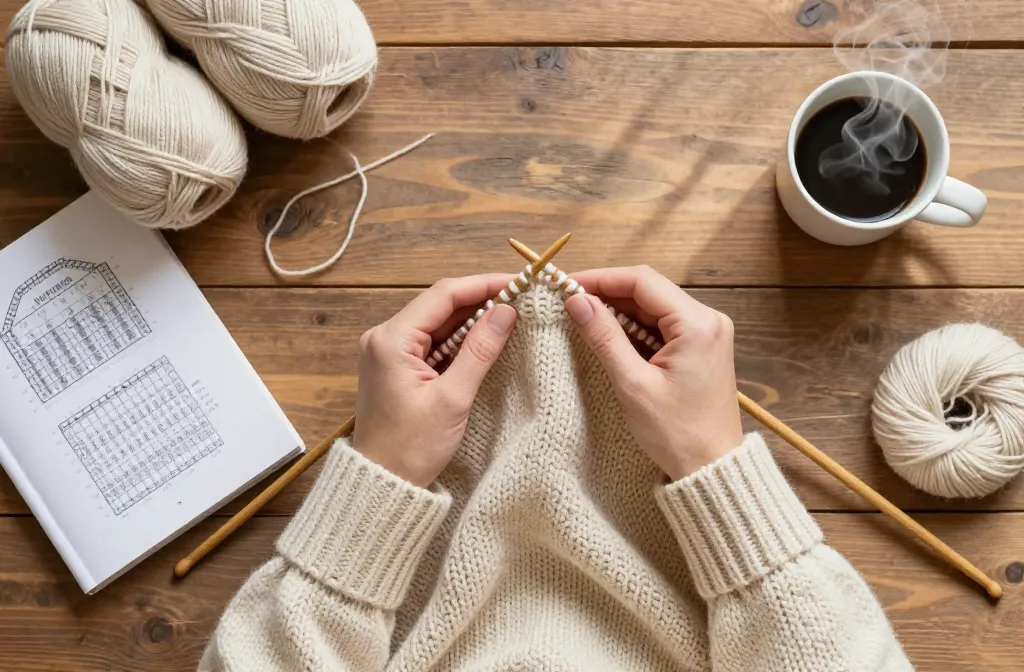

Look, I’m not going to lie to you—knitting a sweater is kind of a big deal. It’s not like whipping up a scarf or a dishcloth on a lazy Sunday afternoon. But here’s the thing: if you can knit and purl, you already have the skills to make a sweater. It just takes patience, planning, and probably way more yarn than you initially budgeted for.
Before You Start: The Reality Check
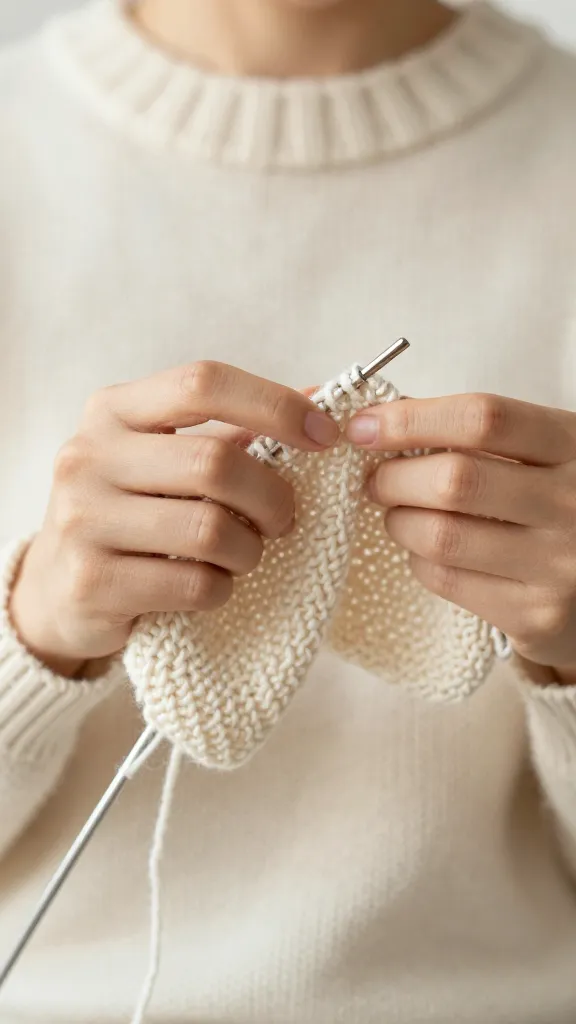
Let’s talk expectations for a second. Your first sweater probably won’t look like those gorgeous, perfectly fitted designs you’ve been drooling over on Instagram. That’s totally okay! Everyone’s first sweater is a learning experience, and honestly, even if it’s a little wonky, you’ll wear it with pride because you literally made clothing with sticks and string.
The time commitment is real, too. We’re talking weeks or even months, depending on how complex your pattern is and how much time you actually spend knitting versus scrolling through your phone. Set realistic goals and don’t beat yourself up if it takes longer than expected.
Picking Your Pattern: Start Simple, Thank Me Later
Here’s where a lot of enthusiastic knitters go wrong. They choose some intricate cable-knit masterpiece with fifteen different stitch patterns for their first sweater. Don’t be that person.
Start with a basic stockinette or garter stitch sweater. Look for patterns labeled “beginner-friendly” or “easy.” Trust me, you’ll have plenty of time to tackle complicated Fair Isle or aran patterns later. Right now, you’re learning about construction, shaping, and finishing—that’s plenty.
Construction Methods to Know
Sweaters come in different construction styles, and this matters more than you might think:
- Top-down: You start at the neck and work your way down. These are super popular because you can try them on as you go and adjust the length easily.
- Bottom-up: Traditional approach where you knit pieces separately and seam them together. More finishing work, but some people swear by it.
- Seamless in the round: You knit the body as one piece on circular needles. Less sewing = happy knitters.
For your first rodeo, I’d suggest a top-down or seamless pattern. Seaming is its own skill, and you’re already learning enough new stuff.
Gauge: Yes, You Actually Need to Do This
I know, I know. Nobody likes knitting gauge swatches. They’re boring, they seem pointless, and you just want to start your actual sweater already. But listen—skip the gauge swatch, and you might end up with a sweater that fits a toddler or someone twice your size.
Gauge tells you how many stitches and rows you get per inch with your specific yarn and needles. Patterns are designed around specific gauges, so if yours doesn’t match, your measurements will be off. Sometimes way off.
Knit a swatch that’s at least four inches square, block it the same way you’ll block your finished sweater, then measure. If your gauge doesn’t match the pattern, try different needle sizes until it does. Bigger needles = fewer stitches per inch. Smaller needles = more stitches per inch.
Yarn Selection: Don’t Cheap Out (But Also Don’t Go Broke)
You’ll need a decent amount of yarn for a sweater—usually anywhere from 1,000 to 2,500 yards, depending on the size and style. That’s not the time to buy the scratchiest, cheapest acrylic you can find. You’re going to spend hours on this project, so use yarn you actually enjoy working with.
That said, don’t blow your entire paycheck on luxury cashmere for your first sweater either. Find a nice middle ground with quality wool or wool blend yarn. Wool is forgiving, elastic, and blocks beautifully, which will help your finished sweater look more polished.
How Much Yarn Do You Need?
Your pattern will tell you exactly how much yarn you need for your size. Buy that amount, then add one extra skein. FYI, running out of yarn three-quarters of the way through a sleeve is a special kind of torture, especially if your yarn is discontinued.
The Actual Knitting Part
Okay, you’ve got your pattern, your yarn, and you’ve done your gauge swatch (you did do it, right?). Now comes the fun part—or the tedious part, depending on how you feel about repetitive tasks.
Read through your entire pattern before you start. I’m serious. Patterns use abbreviations and techniques that might confuse you mid-row. Understanding the overall structure helps you catch potential issues before they become major problems.
Take it one section at a time. Most sweater patterns break down into manageable chunks: ribbing, body, sleeves, neckline. Focus on completing one section before stressing about the next. Progress markers help a lot—nothing beats the satisfaction of ticking off “body complete” on your project tracker.
Dealing with Mistakes
You will make mistakes. Accept this now and save yourself some stress. The good news? Most mistakes are fixable. Dropped stitches, twisted stitches, minor tension issues—you can work around these or fix them as you go.
For major errors (like realizing you decreased in the wrong place ten rows back), you have options. You can either rip back to the mistake, or you can drop down the affected stitches, fix them, and ladder back up. YouTube is your best friend for learning these techniques.
Finishing Touches That Make All the Difference
You’ve knitted all the pieces (or your entire seamless sweater). Congratulations! But you’re not quite done yet. Finishing work separates a homemade-looking sweater from a handmade-looking one.
Block your sweater according to your yarn’s care instructions. Blocking evens out your stitches, sets your fabric, and makes everything look more professional. For most wool sweaters, wet blocking works great—you soak the sweater, gently squeeze out excess water, then lay it flat to dry in the correct measurements.
If your pattern requires seaming, take your time. Use mattress stitch for nearly invisible seams on stockinette fabric. Match your stripes and patterns carefully. Rushed seaming shows, and you didn’t come this far to phone it in now.
Weave in all those ends securely. I know it’s tedious, but loose ends that work their way out after a few wears are supremely annoying.
Common Pitfalls and How to Avoid Them
Let’s talk about the mistakes that trip up most first-time sweater knitters, so you can dodge these bullets.
Not checking your measurements as you go: Measure your work periodically against the pattern schematic. It’s much easier to fix issues early than after you’ve knitted another six inches.
Choosing the wrong size: Pick your size based on the finished measurements in the pattern, not your usual clothing size. Sweaters need ease (extra room), and different patterns have different amounts built in.
Ignoring fiber content: That cotton yarn might be beautiful, but cotton is heavy and doesn’t bounce back like wool. It’ll stretch out over time and might not be ideal for your first sweater.
Frequently Asked Questions
How long does it take to knit a sweater?
This depends entirely on the pattern complexity, yarn weight, and how much time you dedicate to knitting. A simple sweater in bulky yarn might take 30-40 hours of actual knitting time, while a detailed fingering-weight design could easily take 100+ hours. Spread that over weeks or months depending on your schedule.
Can I knit a sweater on straight needles?
Absolutely! Flat pieces knitted on straight needles work perfectly fine, though you’ll need to seam them together at the end. Many knitters prefer circular needles even for flat knitting because they’re more comfortable and don’t poke you in the ribs, but straight needles totally work.
What if my sweater doesn’t fit perfectly?
First, try blocking it—you’d be amazed what proper blocking can fix. If it’s still off, consider whether strategic seaming or adding/removing length in certain areas might help. IMO, a slightly imperfect handmade sweater beats a perfect store-bought one any day.
Should I knit a swatch in the round if I’m knitting my sweater in the round?
Yes! Your tension might differ between flat and circular knitting. If your pattern is worked in the round, knit your gauge swatch in the round too for the most accurate measurement.
What’s the best sweater pattern for absolute beginners?
Look for patterns specifically marked as beginner-friendly with minimal shaping. The “Flax” sweater by Tin Can Knits is legendary in the knitting community as a first-sweater pattern. It’s free, well-written, and designed to teach you the basics without overwhelming you.
Can I modify a pattern to fit me better?
Once you understand how sweater construction works, yes! But for your first sweater, stick to the pattern as written. You’ll learn what adjustments you might want to make for future projects. Pattern modification is a skill that builds on understanding basic construction first.
Wrapping It All Up
Knitting your first sweater is genuinely exciting and only a little bit terrifying. You’ll learn more from one sweater than from knitting twenty scarves, and you’ll end up with something actually useful and (hopefully) wearable.
Start with a simple pattern, use decent yarn, and don’t stress about perfection. Every knitter who’s ever made a sweater started exactly where you are right now, staring at a pile of yarn and wondering if they’re really capable of turning it into actual clothing. Spoiler alert: you totally are.
Now cast on and get started. That sweater won’t knit itself!

Sarah Anderson . J
I’m the mom behind Wise Mom Blogger, where everyday creativity meets real-life motherhood. I share easy DIY crafts, cozy knitting and crochet projects, beginner-friendly sewing ideas, and family-tested recipes—plus quick baking hacks that make homemade feel doable on busy days.
