
Finger knitting turns simple yarn into big, satisfying results—fast. It’s especially fun because you can start with just one or two fingers, then build more material step by step like you’re “learning by making.” Whether you want cozy home pieces, handy little accessories, or modern decor with a trendy crochet-look vibe, finger knitting gives you that handmade feel without complicated tools. It’s perfect for beginners, busy crafters, and anyone who loves quick wins that still look impressive—so let’s jump in and start making something you’ll actually want to use or show off.
Quick Answer
Here are 14 finger knitting project ideas, organized by style and build method, from soft, fluffy textile crafts (wrap/weave) to structured, shaped decor (wired/sewn)—plus practical home items, hanging/organizing projects, wearables, and even attachable signage.
Key Takeaways
- Finger knitting is “learning by making”—you build confidence with small strands before jumping to bigger pieces (great for kids and adults).
- There are two main build styles:
– Wrap/Weave = volume-friendly (blankets, rugs, baskets) – Wired/Sewn = structure + durability (word art, shaped goods, attachable decor)
- Mixed materials (wire, cord, twine, rope) can give a modern, updated look and change texture and function.
- Finger knitting makes both decorative and practical items—like pillows, trivets, and mug rugs—not just “cute crafts.”
- If you’re new, start with one- or two-finger tutorials, then learn how to connect strands into larger projects like scarves and blankets.
1. Cozy Twisted-Rope Blanket (Finger-Knit Cords)

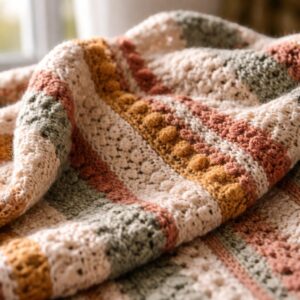
If you want a project that feels instantly “cozy and modern,” go for the twisted-rope blanket idea—basically, you make finger-knit cords/strands and then build a blanket using that rope-like texture. This is one of those projects that screams comfort, but it still works well because finger knitting is a flexible technique that lets you learn by making small sections first.
Why it’s beginner-friendly (with a twist): start by making cord sections, then connect them gradually. When you see a repeating pattern, your brain relaxes—you’re basically crafting rhythm.
Materials tip: choose a chunky yarn or a soft rope-like yarn so the “twist” shows clearly without extra effort.
Best for: couch throws, cozy corners, fall/winter decor, and gifting.
2. Volume Throw Pillow Cover (Soft Textile Favorite)

A finger-knit pillow cover is one of the easiest ways to turn strands into something that looks finished and stylish. Since finger knitting is flexible and great for “learning by making,” you can make a front panel or a full cover in stages.
Crochet-look bonus: depending on your yarn and how tightly you build, finger knitting can mimic that thick, cozy crochet texture people love.
Effort path:
- Beginner: make a simple square/rectangle panel first
- Intermediate: add an edge finish or a slightly raised texture pattern
Pro tip: measure your pillow before you start so your cover looks snug, not droopy.
3. Finger-Knit Rug Runner for a Coffee Nook
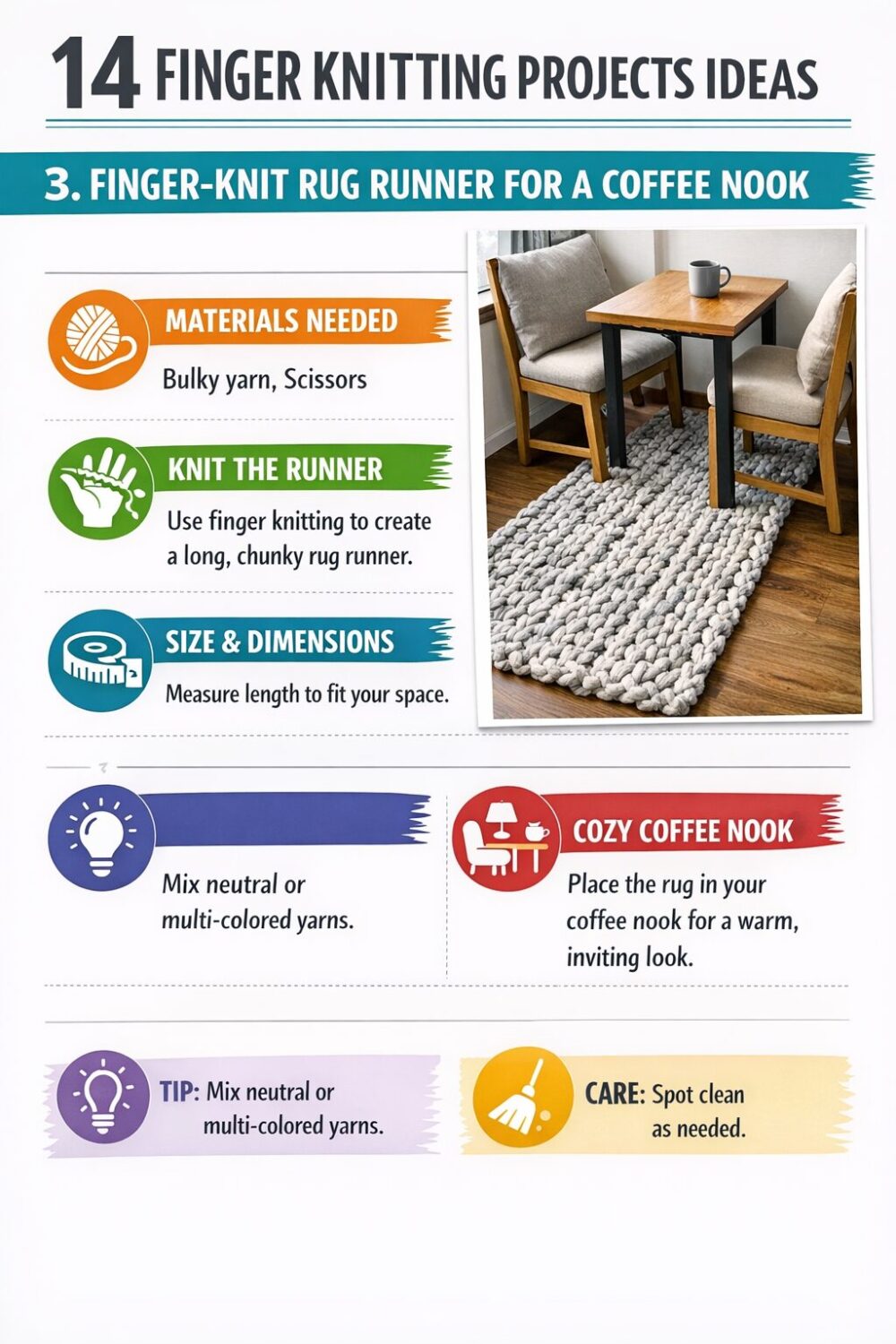
Rugs and runners are a perfect “wrap/weave” target because the method is great for producing lots of finger-knit material. You’re essentially building a strip-by-strip surface that adds texture, warmth, and personality to a room.
Beginner approach: make it narrower (like a runner) before attempting a large full rug.
Color strategy:
- Go monochrome for a modern feel
- Add contrast edges if you want a “designed” look (like a store-bought piece)
Best for: entryways, bedside sides, coffee-bar shelves, and hallway style refreshes.
4. Trivet Set (Practical Home Item That Actually Gets Used)

Finger knitting isn’t only for decor—it’s also great for practical crafts like trivets. You can make flat or slightly padded pieces that help protect surfaces while still looking cute.
Sizing tip: aim for a trivet that fits most mugs and small pots. If your trivet is too small, it won’t feel useful; too big, and it’s harder to store.
Edge finishing: finger knitting tends to curl less when you keep your tension steady and plan a simple border. If you want extra durability, consider sewing or reinforcing the outer edges.
Best for: kitchen counters, holiday hosting, and everyday “small upgrades.”
5. Mug Rug Duo (Quick Gifts With Big Charm)

A mug rug is like a cozy coaster + mini place mat hybrid. It’s also a great “functional craft outcome” because people reach for it constantly. Finger knitting shines here because you can make sets that match seasons, holidays, or your coffee-bar vibe.
Easy design formula:
- Make a base rectangle (or slightly rounded shape if you like)
- Add a simple border for neatness
- Use a color combo that matches your kitchen towels or placemats
Beginner win: mug rugs help you practice consistency without needing huge volume.
Best for: birthdays, housewarming gifts, and anytime you want handmade that feels personal.
6. Hanging Basket Cover (Vessel Cover Without the Bulk)

Want a project that feels creative but doesn’t take over your whole week? Try a hanging basket-style cover—a lightweight craft goal that works like a soft “vessel cover.” The idea is to wrap your finger-knit fabric around a container or basket form, then let the texture do the decorating.
Why finger knitting fits: finger knitting is flexible, so it can wrap around containers while staying soft and lightweight—perfect for lighter decor rather than heavy-duty storage.
Beginner-friendly variation:
- First, make a simple wrap cover
- Later, upgrade with a more structured method (wired/sewn) if you want it to hold shape longer
Best for: plant hangers, bathroom organization, small storage, and cozy corner decor.
7. Twine or Rope-Accent Garland (Modern Mixed-Media Look)

This one leans into the “unusual materials” trend: using twine, cord, or rope alongside finger knitting to create a more modern, mixed-media vibe. Different materials change how your finished piece looks and feels—so you’re not just repeating yarn patterns, you’re building texture and style.
How it looks: think modern garland details with a slightly rugged texture (in a good way). It can be holiday-ready or everyday-ready depending on your color choices.
Color ideas:
- Warm neutrals (cream, tan, caramel) for everyday
- Black + off-white for modern graphic decor
- Pastels for spring/summer accents
Best for: mantle styling, window decor, photo backdrops, and seasonal refreshes.
8. Crochet-Look Finger-Knit Cowl (Wearable Without Complex Seams)

Wearables are one of the most exciting directions for finger knitting. A cowl is a great starting point because it’s basically a tube you can make by focusing on shape and comfort instead of fancy tailoring.
Why it works: finger knitting can be marketed as an alternative aesthetic pathway—similar to the cozy look of crochet or chunky knit textures, but with a fun finger-based method.
Beginner shaping approach:
- Make a long tube-ish piece
- Test wrap length as you go
- Finish edges neatly so it doesn’t stretch unevenly
Sizing tip: measure around your neck where you like the cowl to sit.
Best for: fall layering, cozy outfits, and “I want something handmade but wearable today” energy.
9. Finger-Knit Cardigan Panels (Attachable Build Method)

A cardigan is a bigger dream, but you can make it beginner-friendly by thinking in panels and attachable pieces. Instead of trying to knit a whole garment in one go, you create sections that later connect to form wearable shape.
Attachable/constructible idea:
- Make two main front/back panels
- Add finishing edges and simple closures
- Sew or attach pieces together for a durable result
Why this matches the research trend: finger knitting is often used for wearable looks that feel crochet-adjacent, and build methods can help loose strands become part of something structured.
Best for: intermediate beginners who can already make consistent cords/panels.
10. Wired Word Art (Durable, Display-Ready Decor)
This is where finger knitting becomes extra fun: wired/sewn approaches turn loose elements into something structured and long-lasting. For wired word art, you can combine finger-knit strands with wire support so the letters keep their shape.
Why it’s a standout: it’s themed decor that’s not “just another scarf.” It looks modern and intentional—especially if you go monochrome.
Basic idea:
- Create the word/outline (with wire)
- Fill or wrap with finger-knit elements
- Secure so it holds position
Best for: home office decor, Valentine’s messages, seasonal quotes, and personalized gifts.
11. Themed Name Banner (Events, Holidays, and Personalized Decor)
Want a project that feels like it came from a craft store, but you made it? Try a themed name banner. Make letters, shapes, or small attached elements using wired or sewn techniques so it can hang and last.
Theme ideas:
- Birthday names and ages
- Wedding/anniversary phrases
- Classroom celebration words
- Brand-style decor for small events
Why finger knitting shines: you can match textures and colors to your event look, and the handmade feel is instantly warm.
Durability tip: for banners, consider reinforcement on the attachment points so the piece doesn’t sag.
12. Scrap Yarn Cowl-Style Wrap (Fast “Use What You Have” Project)
This one is for when you want something satisfying but not too big. A wrap-style cowl made with smaller amounts of yarn is a great way to use leftovers while still learning techniques.
How to keep it easy:
- Choose a simple repeating pattern
- Build a tube or a layered wrap
- Keep your materials consistent so the texture looks even
Beginner value: it’s perfect practice for tension, joining, and finishing edges.
Best for: quick weekends, stash-busting, and small self-gifts.
13. Finger-Knit Scarf With Connected Strands (Classic Build)
Scarf-making is a classic because it teaches you the skill finger knitting really needs: how to connect strands into larger pieces. If you’re learning, a scarf is a sweet spot between “small sample” and “big blanket.”
Learning-by-making advantage: you’ll feel your skills grow as you repeatedly knit short sections and join them.
Style options:
- Keep it simple for a clean, modern look
- Add texture variety using different thickness yarns (if you’re ready)
- Use contrasting colors for a bold edge
Best for: learning consistency and creating a real wearable result.
14. Structured Basket (Wrap Then Reinforce)
A structured basket combines the best of both worlds: soft finger-knit texture with added sturdiness. Start with a wrap/weave approach for the main look, then reinforce if you want it to hold shape—especially for storage.
Beginner-friendly plan:
- Step 1: make a soft wrap cover or base
- Step 2: reinforce with sewing or a wired approach if needed
What it’s great for: organizing yarn, bathroom items, craft supplies, or shelf styling. It also gives that “made by you” feeling without requiring heavy woodworking.
Best for: readers who love practical crafts and want something that lasts.
Common Mistakes
- Starting with a huge project. Finger knitting is a learning-by-making technique—start smaller (mug rug, trivet, scarf) so you build confidence.
- Inconsistent tension. If your strands get too tight or too loose, your edges won’t line up, especially for flat items like trivets and rugs.
- Ignoring method fit (wrap/weave vs wired/sewn). If you want structure (baskets, word art, signage), stick to wired/sewn ideas or reinforce key areas.
- Skipping measuring for wearables. Cowls and cardigans need basic sizing. Make a quick “test wrap” before committing to the final length.
- Not planning for finishing edges. Flat pieces look way better when you take finishing seriously—think neat borders and secure ends.
- Using mixed materials without testing. Twine/rope/wire can look amazing, but they may change how your piece drapes and how tightly it holds. Try a small sample first.
FAQ
Which finger knitting style should I choose first: wrap/weave or wired/sewn?
If you want soft, cozy, flexible textiles, start with wrap/weave. If you want durable shaped decor (like word art or signage), plan to use wired/sewn. Either way, begin with one small project so you can learn the feel of the technique.
What materials work best for beginners?
Yarn is usually easiest. If you want a modern look, try cord or twine on a small project first to see how it behaves. Wired projects feel more advanced—so save wire/structure until you already know how to make consistent finger-knit strands.
How do I connect finger-knit strands into bigger projects?
Most beginner tutorials show a repeatable “make-and-join” idea: make your sections, then connect them so the texture keeps flowing. Once you’ve connected pieces smoothly on a small item, you’ll be ready for scarves, rugs, and blanket-like builds.
Can finger knitting be used for practical home items (not just decor)?
Yes! Finger knitting can make functional craft outcomes like trivets and mug rugs. You can also turn strands into pillows, rugs, and other everyday accessories—so it’s not only for “pretty but useless.”
Are finger knitting projects good for kids?
Many guides frame finger knitting as a flexible learning-by-making technique that works well for kids and adults. Start with one- or two-finger projects and aim for small, satisfying results before larger builds.
Conclusion
Finger knitting is one of those crafts that feels easy to start and exciting to grow—because every strand is progress. With 14 project ideas, you can match your vibe: soft textiles like pillows, rugs, and twisted-rope blankets; practical home wins like trivets and mug rugs; hanging and vessel covers for lighter storage and decor; and even wired/sewn creations like word art and themed banners that look truly modern. If you’re new, learn the basics first with simple one- or two-finger tutorials, then connect strands and build up from there. Choose one idea that makes you smile, gather your materials, and get ready to make something cozy, useful, and proudly yours.

Sarah Anderson . J
I’m the mom behind Wise Mom Blogger, where everyday creativity meets real-life motherhood. I share easy DIY crafts, cozy knitting and crochet projects, beginner-friendly sewing ideas, and family-tested recipes—plus quick baking hacks that make homemade feel doable on busy days.

Handbag tutorial