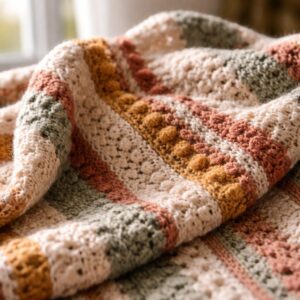
Starting a small handmade business no longer means renting a studio or carrying a warehouse of inventory. Most of the products on this list can be made at a kitchen table, packaged in a spare room, and shipped straight from your front door. These thirteen things to make and sell from home cover a wide range of skills and starting budgets, from ten dollar bath bomb kits to more involved pottery and resin work. Each idea includes a realistic price range and startup cost so you can pick something that fits your time, space, and comfort level before committing to a full product line.
Quick Answer
The best things to make and sell from home include soy candles, bath bombs, handmade soap, resin coasters, beaded jewelry, macrame wall hangings and hand painted signs. Most need under fifty dollars in starting supplies and sell for eight to sixty dollars per item.
| Product | Typical Sell Price | Startup Cost |
| Soy Candles | $12-$24 | Low |
| Bath Bombs | $5-$8 | Low |
| Handmade Soap | $6-$12 | Medium |
| Resin Coasters | $15-$30 | Medium |
| Beaded Jewelry | $10-$40 | Low |
| Macrame Wall Hangings | $25-$80 | Medium |
| Hand Painted Signs | $18-$45 | Low |
| Pottery Mugs | $20-$45 | High |
| Pet Bandanas & Collars | $8-$20 | Low |
| Printable Wall Art | $3-$10 | Low |
| Screen Printed Tote Bags | $15-$28 | Medium |
| Lip Balm | $3-$5 | Low |
| Junk Journals | $30-$60 | Medium |
How to Pick a Product Worth Making
The most successful home based sellers rarely start with twenty different products. Most begin with one idea, make five to ten pieces, share them with a few people or a small online audience, and refine from there before expanding. Look for something with real, ongoing demand rather than a passing trend, a material cost low enough to leave real margin, and a process you can repeat without burning out after the first batch. Selling online through Etsy or a personal storefront, at local craft fairs, or through Facebook Marketplace all work well for different products, so it helps to think about where your ideal buyer already shops before settling on one item. Track your material cost per unit from the very first batch, including packaging and shipping supplies, so your pricing reflects the real cost of doing business rather than a guess based on what feels reasonable.
1. Soy Candles
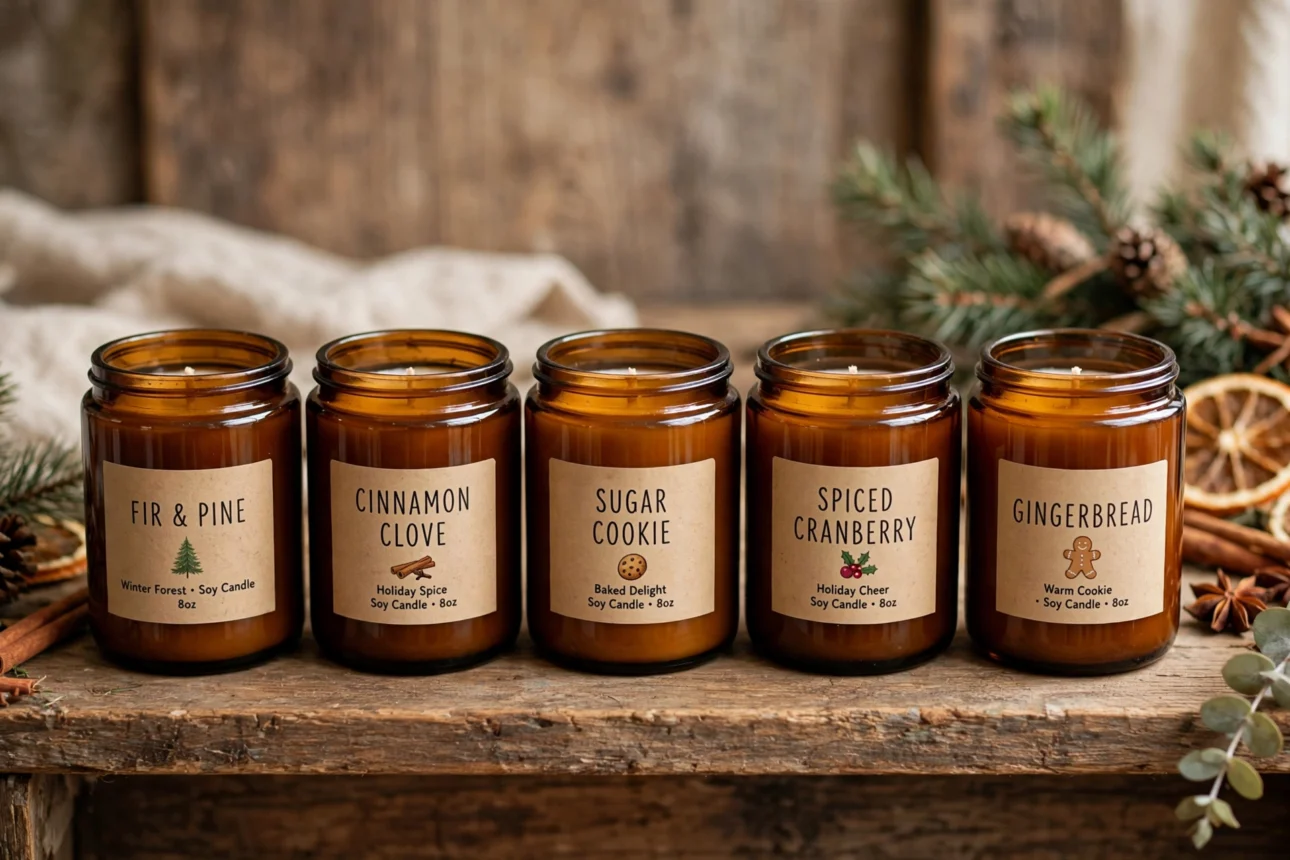
Handmade candles are consistently one of the top selling categories for home based crafters, driven by self care trends and a steady appetite for unique scent combinations. A starter kit with soy wax flakes, wicks, fragrance oil and containers costs well under fifty dollars and produces a dozen or more candles. Melt the wax, stir in fragrance oil once it cools slightly, and pour into a prepared jar with a centered wick, letting each candle cure for at least two days before burning. Distinctive vessels, whether ceramic, tin, or a repurposed glass jar, help a candle line stand out once shelf space gets crowded with competitors.
2. Bath Bombs
Bath bombs cost roughly a dollar each to produce and typically sell for five to eight dollars, making them one of the highest margin items on this list. Mix baking soda and citric acid as the fizzing base, add a binding oil, a few drops of essential oil for scent, and a natural colorant, then pack the mixture firmly into a mold and let it dry fully before unmolding. Because they photograph well when they fizz in water, bath bombs also tend to perform strongly on social media, which can drive traffic to an online shop without much paid advertising.

3. Handmade Soap
A batch of ten cold process soap bars costs around fifteen dollars in oils and lye, and each bar typically sells for six to twelve dollars once cured and packaged. The upfront investment in a stick blender, soap molds and basic safety equipment runs about fifty dollars, and cold process soap needs several weeks to cure fully before it is gentle enough on skin to sell. Creative scent blends, natural colorants like clays and botanicals, and distinctive swirl patterns help a soap line stand apart from the mass produced bars most buyers are trying to move away from.

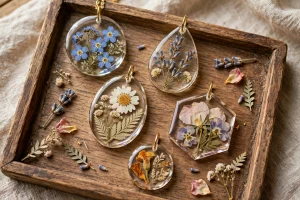
4. Resin Coasters
Mix equal parts epoxy resin and hardener, add alcohol ink or pigment powder for color, and pour into a silicone coaster mold, using a heat gun to pop any surface bubbles before the resin sets. A full cure takes twenty four to seventy two hours, after which the coasters can be sanded smooth at the edges and sealed with a glossy topcoat. Working multiple coasters in the same colorway at once speeds up production and gives buyers a matching set to purchase together, which tends to raise the average order value compared to selling single pieces.

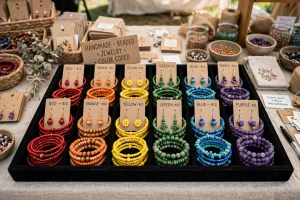
5. Beaded Jewelry
Beaded bracelets, earrings and simple necklaces stay consistently in demand because they appeal across age groups and price points, from a five dollar friendship bracelet to a forty dollar statement necklace. Basic supplies, wire, clasps, and a variety pack of beads, can be sourced cheaply in bulk, keeping material cost low relative to the finished price. Focusing on a signature style, such as birthstone charms, initials, or a recognizable color palette, helps repeat buyers recognize a piece as yours even without a visible logo, which builds brand recognition over time.

6. Macrame Wall Hangings
Macrame has stayed popular as part of the broader boho and textured home decor trend, and finished wall hangings often sell for twenty five to eighty dollars depending on size and complexity. Learn a handful of core knots, such as the square knot and the spiral, and most patterns become variations on the same small set of techniques. A wooden dowel, cotton cord, and a few hours of knotting produce one finished piece, and because each hanging is naturally a little different, buyers tend to see the variation as part of the appeal rather than an inconsistency.

7. Hand Painted Signs
A painted wood sign with a family name, a short quote, or a seasonal phrase fills a steady demand for personalized home decor that shoppers cannot find ready made in a big box store. Sand a plank of wood smooth, stencil or hand letter the design, and finish with a clear sealant to protect the surface from dust and light. Offering a small set of standard phrases alongside a fully custom option lets you speed up production for repeat requests while still capturing buyers who want something unique to their own family or home.

8. Pottery Mugs
Handmade pottery carries a premium feel that lets sellers charge more than mass produced dinnerware, with mugs commonly selling for twenty to forty five dollars each. This is the most equipment heavy item on the list, since a wheel and a kiln represent a real upfront investment, though many potters start by renting studio time before buying their own equipment. Distinctive glazes, an irregular handmade shape, and consistent sizing across a set help a mug line photograph well and build repeat customers who come back for matching pieces once they own the first one.

9. Pet Bandanas and Collars
Pet accessories are one of the fastest growing categories for home sellers, riding alongside the overall growth in spending on pets. Bandanas are the simplest starting point, cut from cotton fabric and sewn or tied around a dog’s collar, while a fabric or nylon collar with a buckle takes slightly more sewing skill. Sizing options, from small breeds to large dogs, matter more in this category than in most apparel, so offering a clear size chart alongside product photos helps reduce returns and builds buyer confidence before checkout.

10. Printable Wall Art
Digital products round out a product line with near zero overhead, since a single design can sell an unlimited number of times without any shipping or restocking. Create a design in a program like Canva or Procreate, export it as a high resolution PDF at standard frame sizes, and list it for instant download. Because there is no physical inventory, printable wall art is one of the lowest risk ways to start selling from home, and a themed set, such as a series of botanical prints or line art portraits, encourages buyers to purchase more than one design at once.
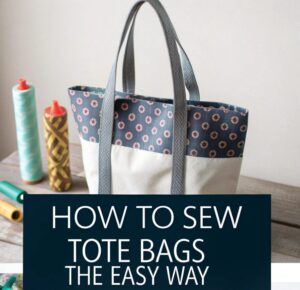
11. Screen Printed Tote Bags
Custom apparel and accessories never fully go out of style, and a canvas tote bag is one of the most affordable garments to screen print at home, since it needs no sizing decisions the way t-shirts do. Burn a design onto a screen, or use a simpler stencil and fabric paint method for lower upfront cost, then press the design onto a plain canvas bag. A bold, single color graphic tends to print more cleanly for beginners than a multi color design, and totes with a strong, shareable phrase or illustration often perform well when buyers post photos of them online.
12. Lip Balm
Lip balm costs about fifty cents per tube to produce and sells for three to five dollars, making it an easy, low cost impulse buy that pairs well with any other body care product line. A starter kit with tubes, carrier oils and beeswax runs around twenty five dollars and makes dozens of tubes. Melt the beeswax and oils together, add a few drops of flavor or essential oil, and pour into empty tubes before they set. Selling lip balm in a themed multi pack, such as three seasonal flavors bundled together, raises the per order value compared to single tube sales.
13. Junk Journals
Junk journals, handmade books built from repurposed papers, envelopes and small paper ephemera, have become a strong trend among crafters looking for a project with real texture and history. A finished journal typically sells for thirty to sixty dollars and takes three to five hours to assemble by hand, using materials you likely already have on hand such as old book pages, maps, and vintage stamps. Because every journal draws from a slightly different mix of paper scraps, no two ever look exactly alike, which is part of what buyers in this niche are specifically looking to pay for.
FAQ
What is the cheapest thing to start making and selling from home?
Lip balm and bath bombs both cost under a dollar per unit to produce, making them the lowest cost entry points on this list before scaling up to bigger products.
Which product needs the least equipment to get started?
Printable wall art needs only design software and a computer, with no physical materials or shipping involved at all, making it the lowest overhead option here.
Where should I sell handmade products made at home?
Etsy and Amazon Handmade reach buyers actively searching for handmade goods, Facebook Marketplace works well for local sales, and craft fairs let buyers see and touch the product before purchasing.
How much should I invest before starting to sell?
Many products on this list can start with under fifty dollars in supplies. Pottery is the exception, since a wheel and kiln represent a larger investment before the first sale.
Which of these products has the best profit margin?
Bath bombs and lip balm tend to have the strongest margins, since both cost under a dollar per unit to make and sell for several times that amount.
References
- Shopify, “23 Things to Make and Sell Online” (2026)
- Jotform, “50 Things to Make and Sell in 2026” (2026)
- ArtTools, “35 Profitable Crafts to Make and Sell in 2026” (2026)
- Elementor, “24 Profitable Things to Make and Sell from Home in 2026” (2025)
- The Little Frugal House, “80 Unique DIY Crafts to Make and Sell” (2026)

Sarah Anderson . J
I’m the mom behind Wise Mom Blogger, where everyday creativity meets real-life motherhood. I share easy DIY crafts, cozy knitting and crochet projects, beginner-friendly sewing ideas, and family-tested recipes—plus quick baking hacks that make homemade feel doable on busy days.