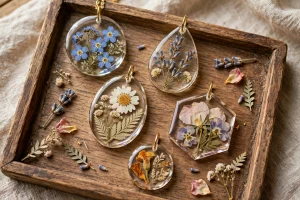
Ornaments are the single best selling category at holiday craft fairs, and for good reason. They are cheap to make, easy to display in bulk, and almost every shopper who walks by is already planning to buy at least one for their tree. These thirteen ornaments to make and sell cover a range of styles and skill levels, from five minute salt dough shapes to more detailed resin and embroidery hoop pieces. Most sell in the eight to twenty five dollar range, with material costs well under three dollars per piece, which gives handmade sellers strong margins heading into the busiest season of the year.
Quick Answer
The best ornaments to make and sell include painted wood slice ornaments, salt dough shapes, felt gnomes, marbled glass balls, personalized name ornaments and crochet minis. Most cost under three dollars in materials and sell for eight to twenty five dollars at craft fairs.
| Ornament | Typical Sell Price | Difficulty |
| Painted Wood Slice | $8-$15 | Easy |
| Salt Dough Shapes | $6-$12 | Easy |
| Felt Gnomes | $10-$18 | Medium |
| Marbled Glass Balls | $8-$14 | Easy |
| Personalized Name | $12-$25 | Medium |
| Crochet Minis | $8-$16 | Medium |
| Button Trees | $6-$12 | Easy |
| Yarn Wrapped Trees | $7-$14 | Easy |
| Resin Ornaments | $10-$20 | Advanced |
| Embroidery Hoop | $10-$18 | Medium |
| Twine Wrapped | $6-$10 | Easy |
| Stained Glass Style | $12-$22 | Medium |
| Mini Wreaths | $10-$16 | Medium |
Why Ornaments Sell So Well at Craft Fairs
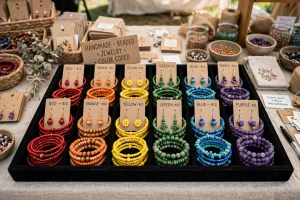
Ornaments hit every mark shoppers look for at a holiday market. They are small enough to fit in a bag, priced low enough to feel like an easy yes, and personal enough to make a good gift without much thought. Batching is where the real profit shows up, since making ten of one style before switching designs keeps your hands fast and your materials consistent. Price your ornaments by material cost plus time, then round up slightly, since shoppers browsing a holiday table rarely negotiate on something under twenty dollars. Display ornaments on a small tabletop tree or a tiered stand rather than flat on a table, since hanging pieces let shoppers picture how each one looks in their own home before buying.
1. Painted Wood Slice Ornaments
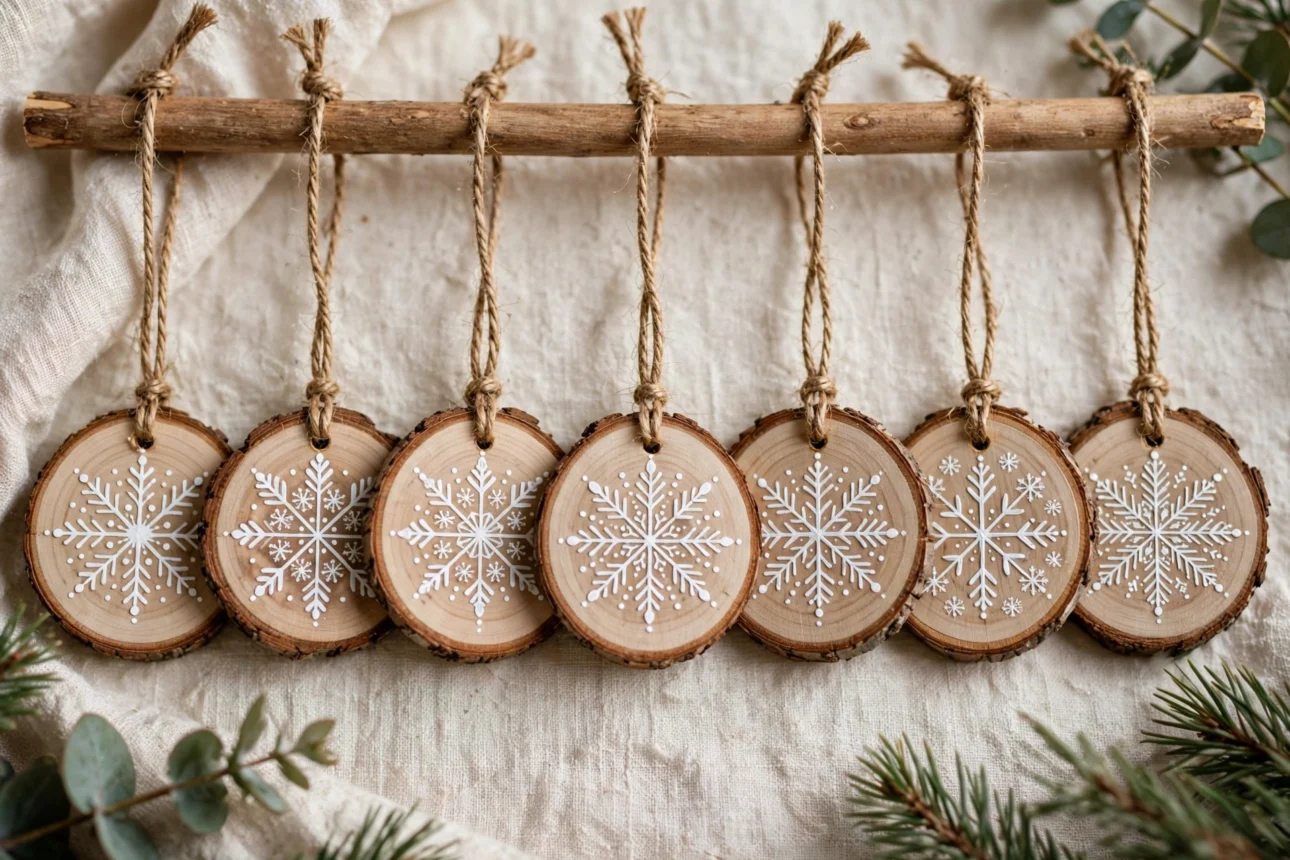
Thin wood slices, sold cheaply in bulk from craft stores, are a fast way to build a full inventory of ornaments in one sitting. Sand each slice lightly, then paint a simple design such as a tree, a snowflake, or a name in white or metallic paint against the natural wood grain. A drill or awl makes a small hole near the top edge for a jute string loop. Batch the base coats first, then come back and add detail once everything is dry, which keeps the whole process moving quickly across a large stack.
2. Salt Dough Ornaments
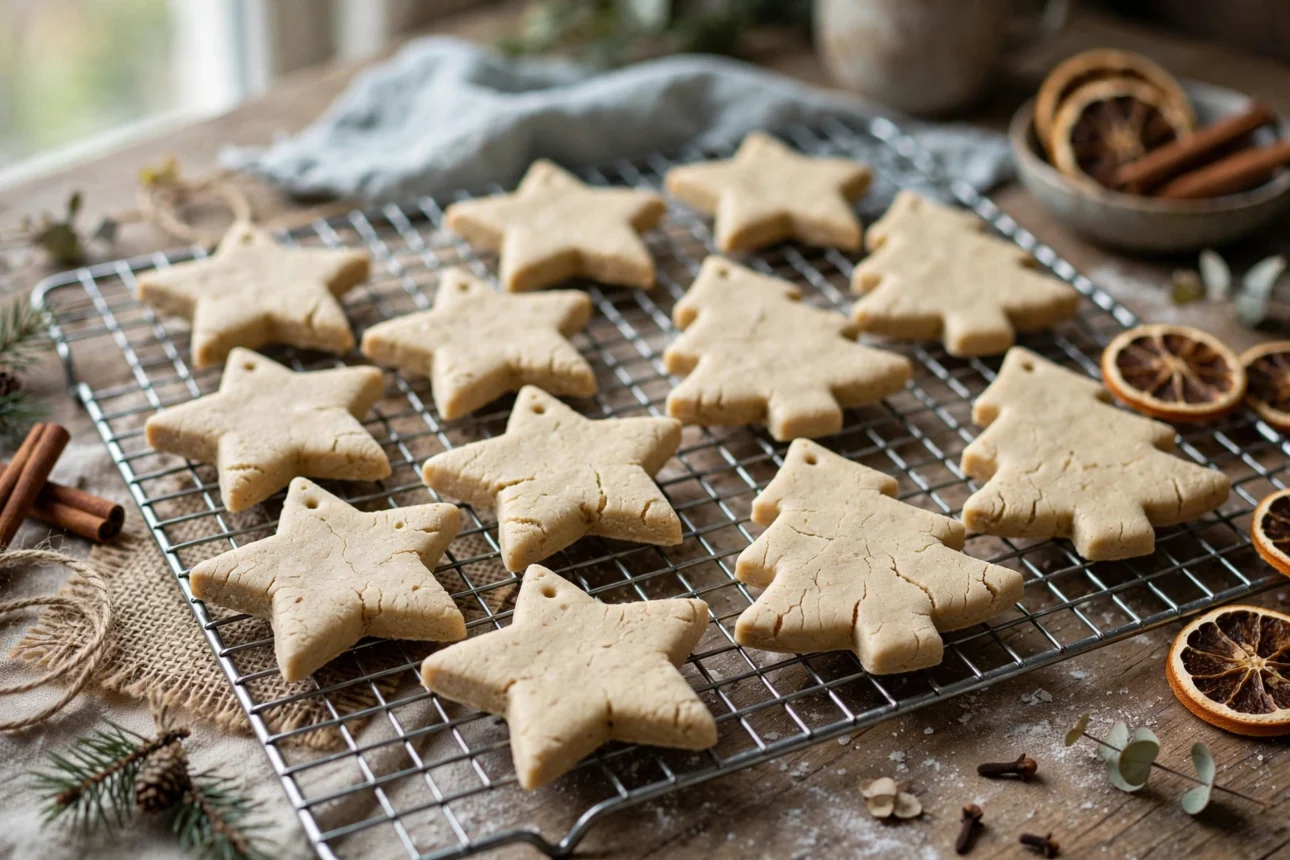
Mix flour, salt and water into a simple dough, roll it flat, and cut shapes with holiday cookie cutters. Poke a hole for hanging before baking, then bake at a low oven temperature until fully hardened and dry throughout. Once cooled, paint each shape and seal with a matte varnish to protect against humidity, since salt dough can soften if it absorbs moisture over time. Because the ingredients cost almost nothing, this is one of the most profitable ornaments on the list, especially in bulk batches of twenty or more shapes from a single bowl of dough.
3. Felt Gnomes
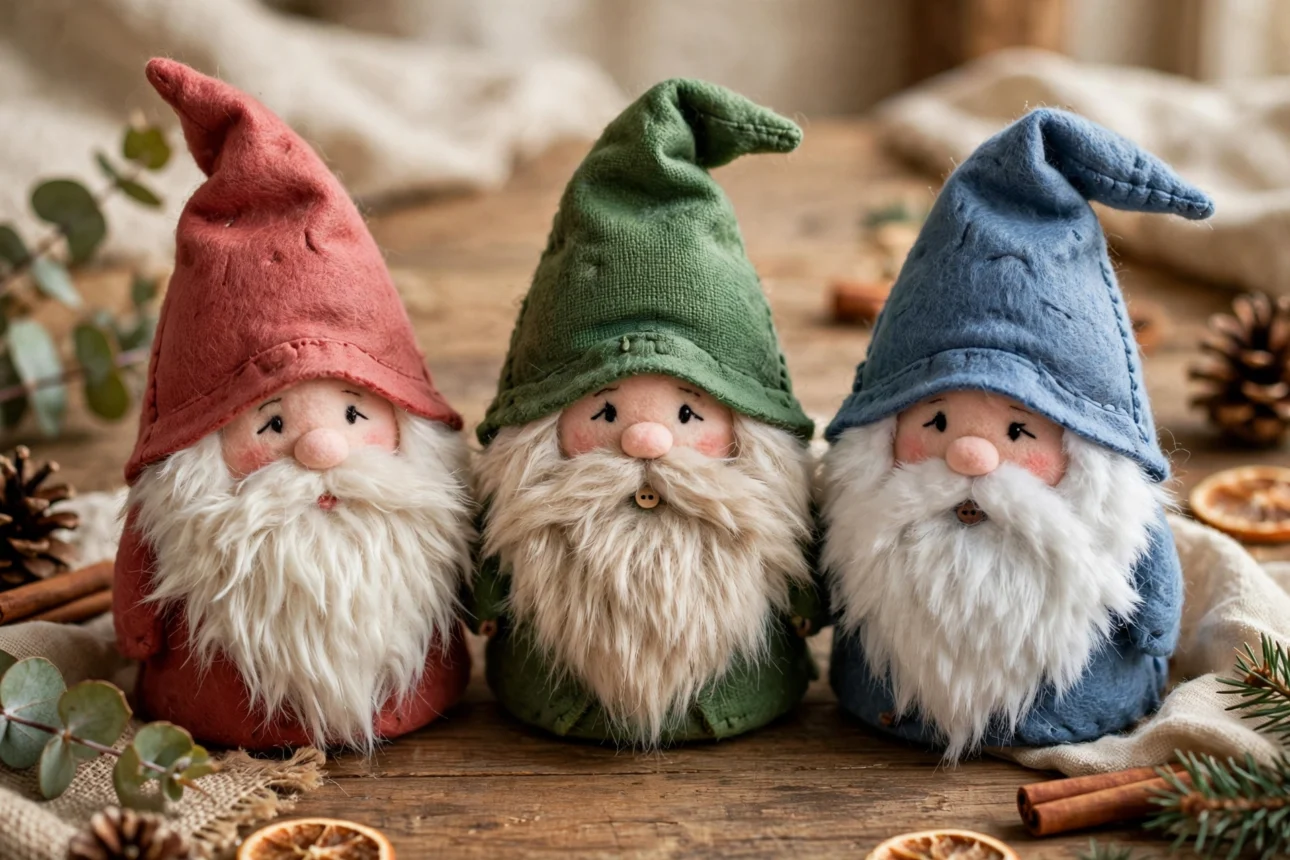
Felt gnomes have stayed a top seller for several holiday seasons running, mostly because of how easy they are to recognize from a distance. Cut a cone shape for the body and a small pointed hat, sew or glue the pieces together, and add a fluffy faux fur beard glued to the front. A tiny loop of ribbon or embroidery floss at the top of the hat turns the finished gnome into a hanging ornament. Varying the hat and beard colors across a batch gives shoppers options without adding much extra work.
4. Marbled Glass Ball Ornaments
Buy plain clear glass ball ornaments in bulk, then remove the metal cap and drip a small amount of acrylic paint mixed with a few drops of water inside each ball. Swirl the paint around by tilting and rotating the ball until the inside is fully coated, then set the ball upside down over a cup to drain any excess paint before it dries. The marbled pattern inside catches light beautifully once hung on a tree, and no two ornaments ever turn out exactly alike, which shoppers tend to see as a selling point rather than a flaw.

5. Personalized Name Ornaments
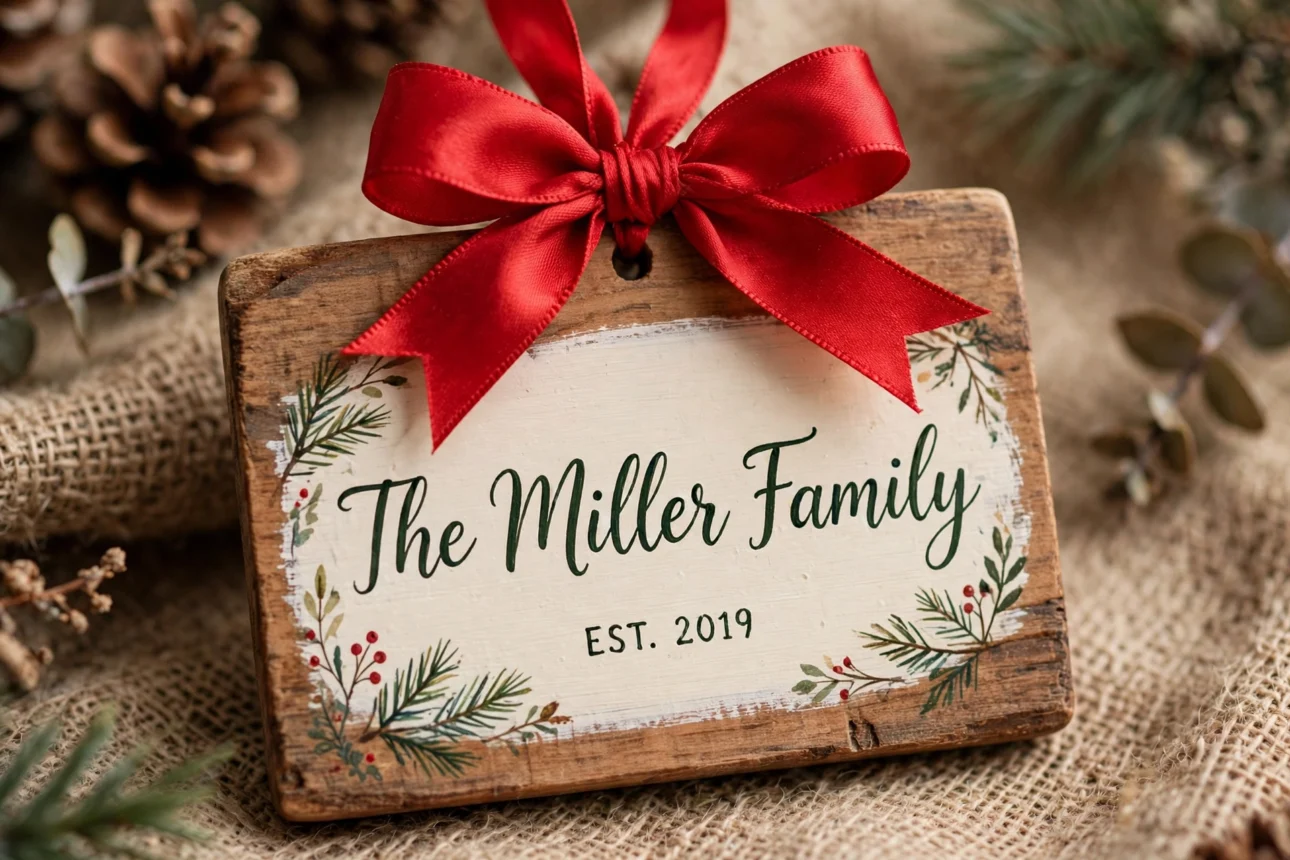
Personalized ornaments consistently sell at the top of the price range because they cannot be found ready made in any store. A blank wood or ceramic tile, a name or initial painted or vinyl cut onto the surface, and a small bow or ribbon at the top is often all it takes. Taking custom orders at a booth, with a small sample sign showing the design, lets shoppers place an order on the spot and either wait a few minutes for a simple version or pick it up later in the fair. Family name ornaments and baby’s first Christmas versions are especially strong sellers each season.
6. Crochet Mini Ornaments
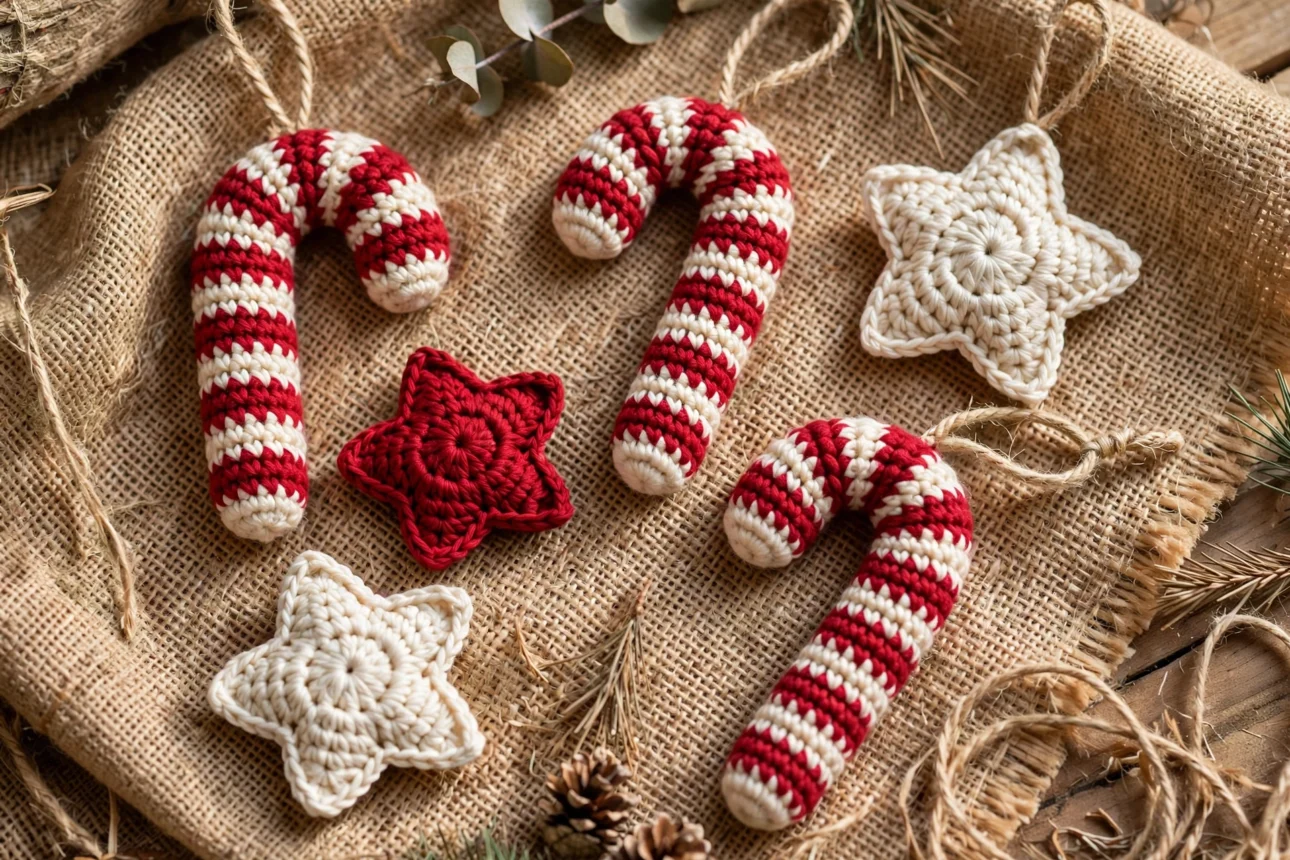
Small crochet shapes such as candy canes, mittens, and stars work well as ornaments because they finish quickly and use very little yarn. Stick to repeatable shapes with minimal seams and only one or two color changes per piece, which keeps a large batch moving at a steady pace. Stuff each shape lightly before closing the final seam so it holds its form on the tree rather than lying flat. Bold, simple silhouettes read better from a few feet away at a busy market table than a highly detailed design would.
7. Button Christmas Tree Ornaments
Layer buttons in graduating sizes, largest at the bottom and smallest at the top, and thread them onto a piece of wire or heavy thread to form the shape of a small Christmas tree. Cap the top with a tiny star shaped button or bead, and finish the bottom with a wooden bead as a trunk. This ornament is colorful, playful, and costs very little to make, especially if buttons are sourced from thrift stores or a mixed bulk bag. It appeals strongly to shoppers looking for something budget friendly for a family tree or a stocking stuffer.
8. Yarn Wrapped Tree Ornaments
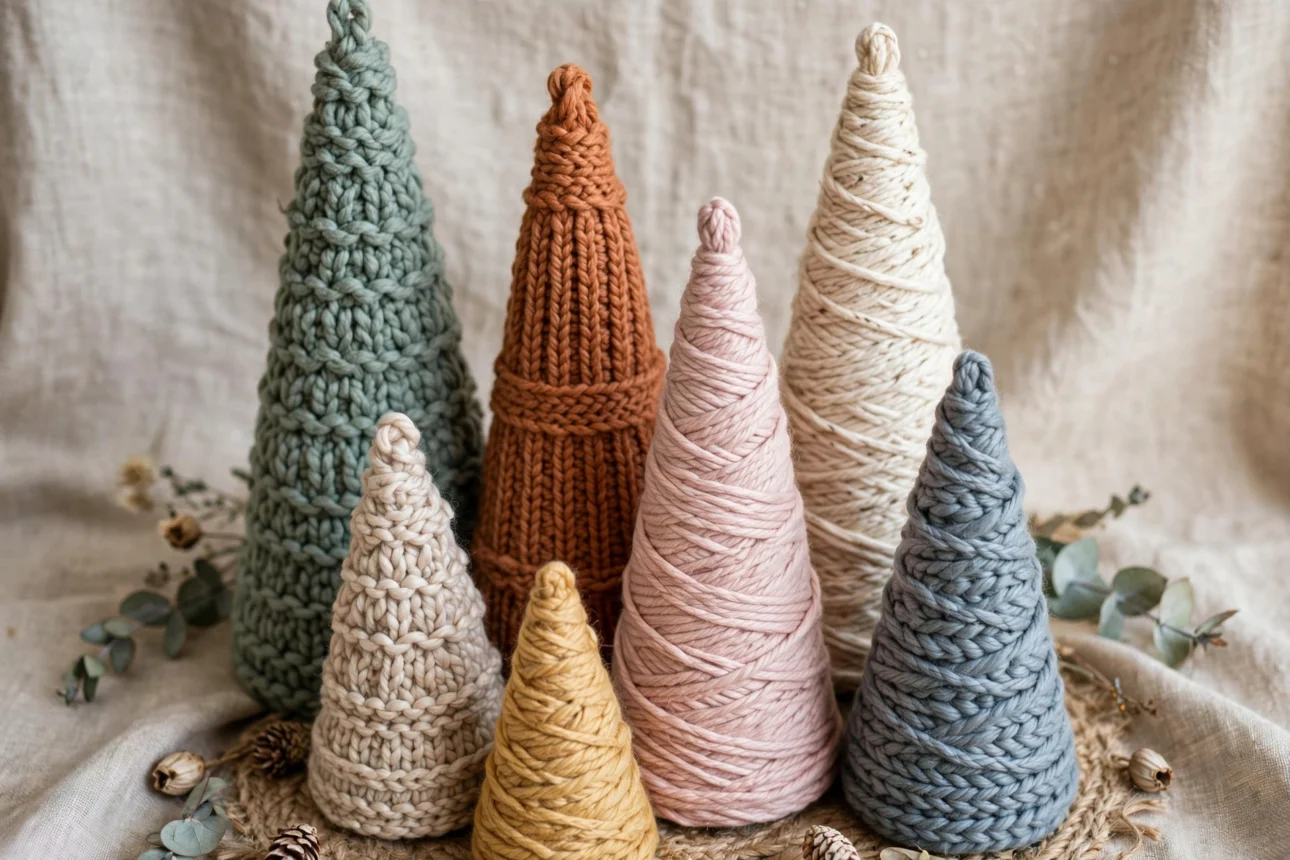
Wrap yarn tightly around a styrofoam cone until the surface is fully covered, securing the ends with a dab of hot glue. Pin small embellishments such as tiny pom poms, sequins, or a bead star into the surface for detail, and glue on a loop of twine or ribbon at the top for hanging. Coordinating yarn colors across a set of five or six trees, arranged from tallest to shortest, makes an appealing grouped display that photographs well for online listings too. These require very little active work once the cone is wrapped, which makes them easy to batch during evenings in front of the television.
9. Resin Ornaments
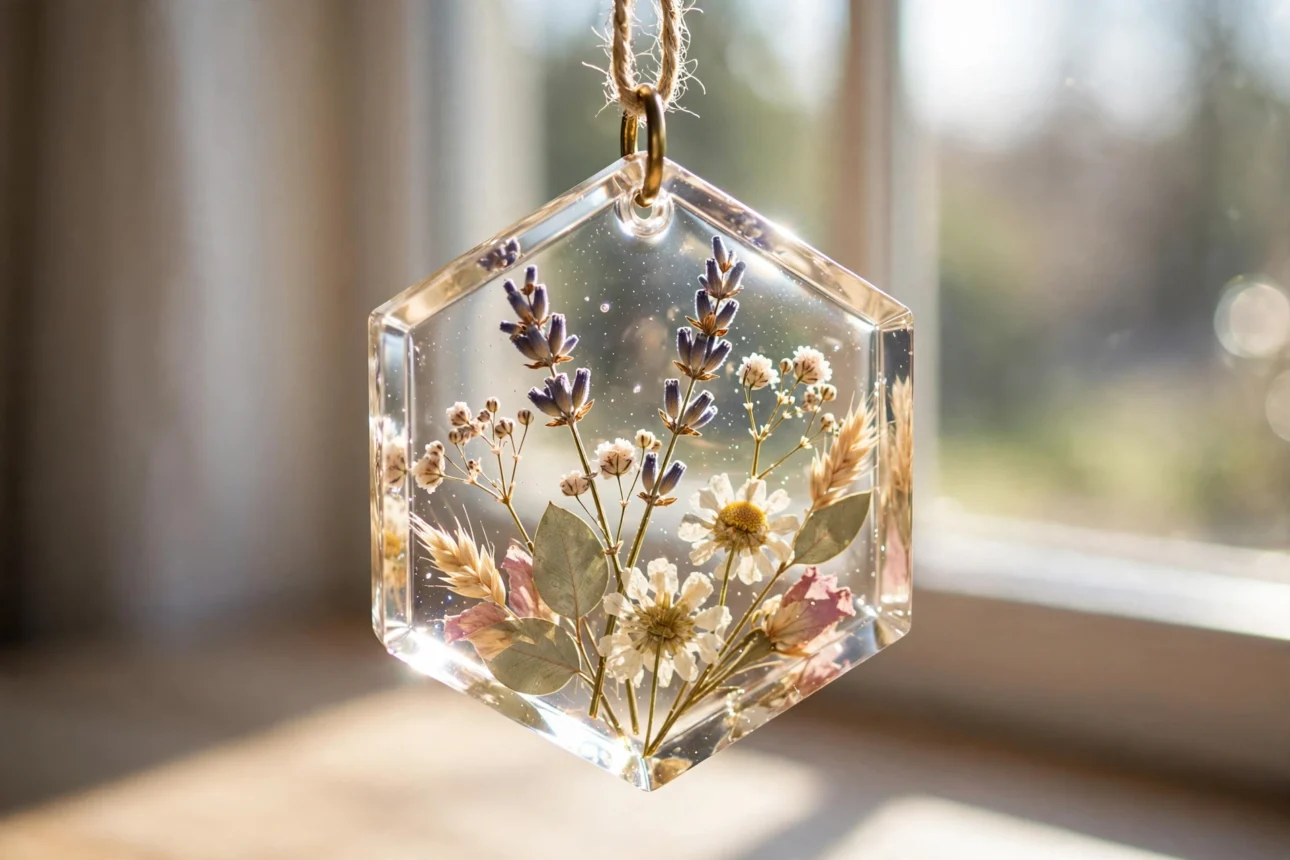
Resin ornaments carry a premium look that lets sellers charge more, but they take more setup and drying time than the other ideas on this list. Pour clear resin into a silicone ornament mold, then add dried flowers, glitter, or small holiday charms before the resin fully cures. Work in a well ventilated space and follow the resin manufacturer’s mixing ratio exactly, since an incorrect ratio leaves the piece tacky or cloudy instead of clear. Because each mold needs a full curing cycle, usually twenty four hours, this ornament works best made in advance rather than during the fair itself.
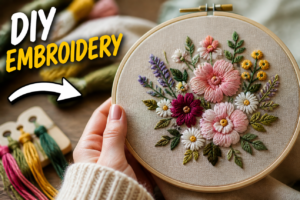
10. Embroidery Hoop Ornaments
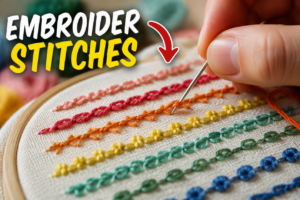
A small three or four inch embroidery hoop makes a ready made frame for a mini stitched design, whether a simple holly sprig, a name, or a snowflake pattern. Stretch a small circle of fabric across the hoop and stitch the design directly, or embroider on a separate piece of fabric and mount it inside the hoop afterward. Trim the excess fabric close to the hoop’s edge and add a ribbon loop at the top screw for hanging. These sell especially well paired with a small tag explaining the stitch technique, since shoppers respond to seeing the visible handwork.
11. Twine Wrapped Ornaments
Wrap natural jute twine tightly and evenly around a plain styrofoam or wood bead ball, securing the starting and ending point with a small dot of glue hidden underneath the wraps. The rustic, farmhouse look this creates pairs well with a small sprig of dried greenery or a tiny red berry cluster glued to the top near the hanging loop. Because the materials are inexpensive and widely available, twine wrapped ornaments are one of the lowest cost items on this list to produce, while still fitting the popular neutral, natural holiday decor trend many shoppers are drawn to.
12. Stained Glass Style Ornaments
A faux stained glass look can be achieved without any actual glass cutting by using clear acrylic ornament shapes and colored glass paint outlined with a black liquid leading pen. Sketch or trace a simple design, such as a star or a holly leaf pattern, outline it first in the black leading, let that dry completely, then fill each section with a different jewel toned glass paint color. The finished pieces catch and scatter light beautifully when hung near a window or on a tree with white lights, giving them a more elevated look than the simple materials suggest.
13. Mini Wreath Ornaments
Shrink a full sized wreath down to ornament scale by wrapping a small wire or grapevine ring with tiny sprigs of artificial greenery, then hot gluing a miniature bow and a few small berries or pinecones around the ring. A short loop of ribbon at the top turns the finished piece into a hanging ornament, or it can be glued flat onto a decorative plate or napkin ring for a different presentation. Selling these in a set of three, slightly varied in size or embellishment, encourages shoppers to buy the whole grouping rather than a single piece.
FAQ
Which ornament is the most profitable to make and sell?
Salt dough ornaments have the best profit margin, since the ingredients cost almost nothing and one batch of dough makes twenty or more shapes.
How many ornaments should I bring to a craft fair?
Most experienced sellers bring at least fifty to one hundred ornaments across a few styles, since ornaments sell in volume and shoppers often buy several at once.
What price range works best for handmade ornaments?
Eight to twenty five dollars covers most handmade ornaments, with simple styles like salt dough or twine wrapped at the lower end and personalized or resin pieces at the higher end.
Should I offer personalized ornaments at my booth?
Yes, personalized ornaments consistently command the highest prices, since shoppers cannot find a name or family version ready made in a store.
How far in advance should I start making ornaments to sell?
Start by late summer if possible, since batch production takes longer than expected and the strongest selling weekends fall in November and early December before the rush ends.
References
- TheCraftMap, “Handmade Christmas Ideas to Sell: 35 Crafts That Make Money at Holiday Fairs” (2026)
- PrintKK, “Best 30 Christmas Ornaments to Make and Sell in 2026” (2025)
- Secret Yarnery, “Best Crochet Ornaments for Craft Fairs 2026” (2026)
- ArtTools, “35 Profitable Crafts to Make and Sell in 2026” (2026)
- Charleston Crafted, “63 Christmas Ornaments to Make and Sell” (2024)

Sarah Anderson . J
I’m the mom behind Wise Mom Blogger, where everyday creativity meets real-life motherhood. I share easy DIY crafts, cozy knitting and crochet projects, beginner-friendly sewing ideas, and family-tested recipes—plus quick baking hacks that make homemade feel doable on busy days.