Every sewing project leaves something behind. Odd strips, curved offcuts, and fat quarters too small for another garment pile up fast in a scrap bin. These twelve leftover fabric sewing ideas turn that pile into coasters, pouches, pillow covers and small gifts you will actually use. Every project works with pieces as small as a few inches across, so nothing goes to waste. Beginners can start with a simple coaster or bookmark, while more confident sewists can move on to a patchwork pillow or a fabric bowl. None of these need new fabric bought specifically for the project.
Quick Answer
The best leftover fabric sewing ideas include patchwork coasters, scrunchies, cord keepers, drawstring bags, fabric bowls and mug rugs. Most projects need only a few small scraps, thread and a sewing machine, and finish in under thirty minutes.
| Project | Scrap Size Needed | Skill Level |
| Patchwork Coasters | Tiny (2 x 2 in) | Easy |
| Scrunchies | Small (6 x 20 in) | Easy |
| Cord Keeper | Tiny (3 x 5 in) | Easy |
| Drawstring Gift Bag | Small (10 x 12 in) | Medium |
| Fabric Rope Bowl | Long strips | Medium |
| Patchwork Pillow Cover | Medium (fat quarter) | Medium |
| Fabric Bookmark | Tiny (2 x 6 in) | Easy |
| Mug Rug | Small (5 x 5 in) | Easy |
| Zipper Pouch | Small (8 x 10 in) | Medium |
| Fabric Flowers | Tiny strips | Easy |
| Pin Cushion | Tiny (4 x 4 in) | Easy |
| Fabric Headband | Small (4 x 22 in) | Medium |
Why Sew With Leftover Fabric?
Every sewist ends up with a scrap bin that grows faster than it empties. Sewing with leftovers cuts down on fabric waste and gives those pretty prints you could not bear to throw away a second chance. It is also a great way to practice a new technique on a low stakes piece before trying it on something bigger. Sort scraps by size as you go, keeping tiny pieces for coasters and bookmarks, medium pieces for pouches and mug rugs, and anything closer to a fat quarter for pillow covers or bags. A sorted bin makes it much faster to grab the right piece when a project idea strikes. It also helps to keep a small stash of coordinating notions nearby, such as elastic, ribbon, batting scraps and buttons, since most of the projects below need one of these alongside the fabric itself. A dedicated hour once a month spent sorting new scraps as they come in keeps the bin from turning into an unsorted heap that is harder to work from later.
1. Patchwork Coasters
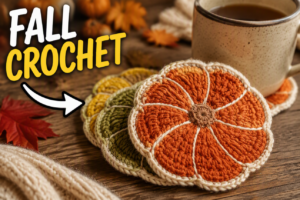
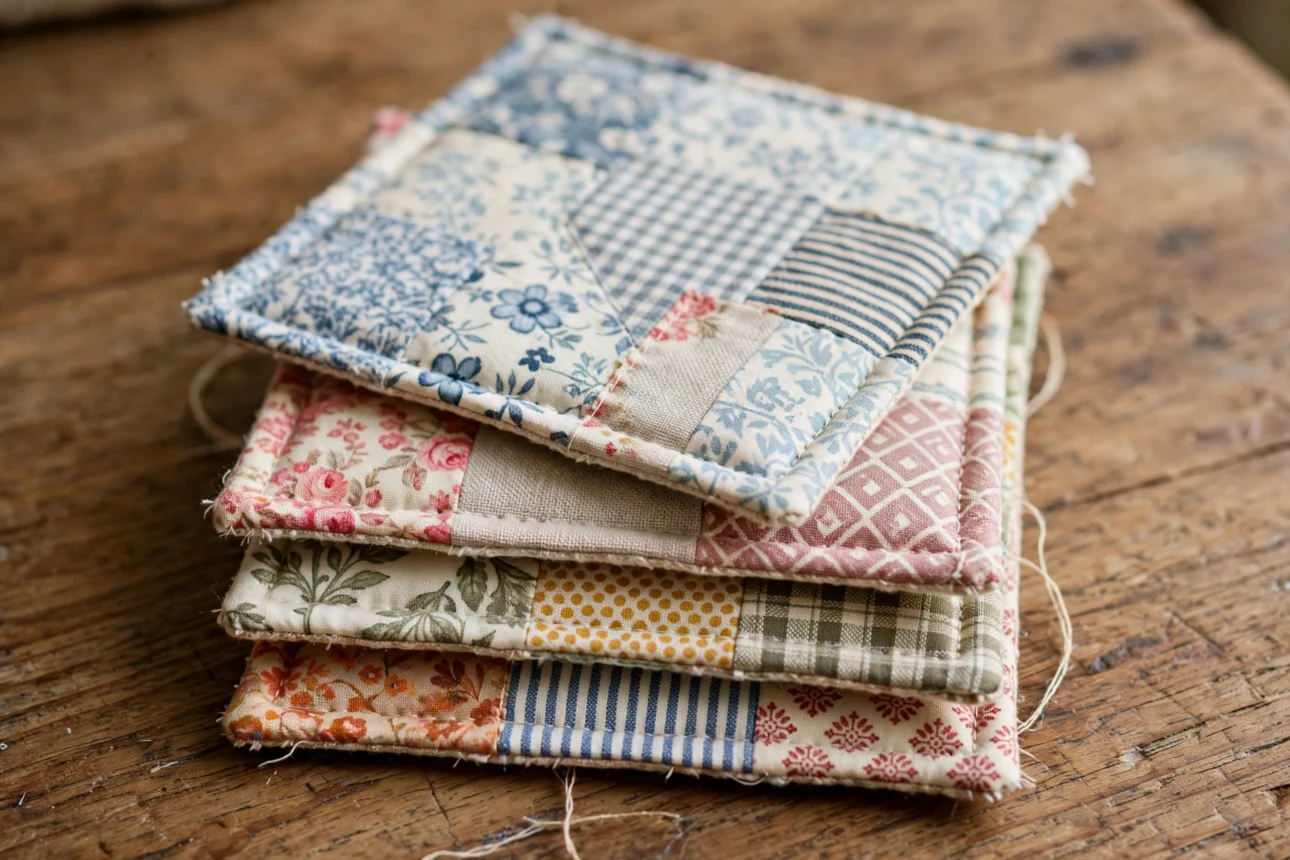
Cut several small squares of fabric, around three inches each, and sew them together into a larger patchwork square. Layer the pieced top with a square of cotton batting and a plain backing fabric, then sew around the edge, leaving a small gap to turn the coaster right side out. Top stitch close to the edge to close the gap and hold the layers flat. A set of four in coordinating scraps makes a quick gift, and the whole batch comes together in under an hour once the machine is threaded.
2. Fabric Scrunchies
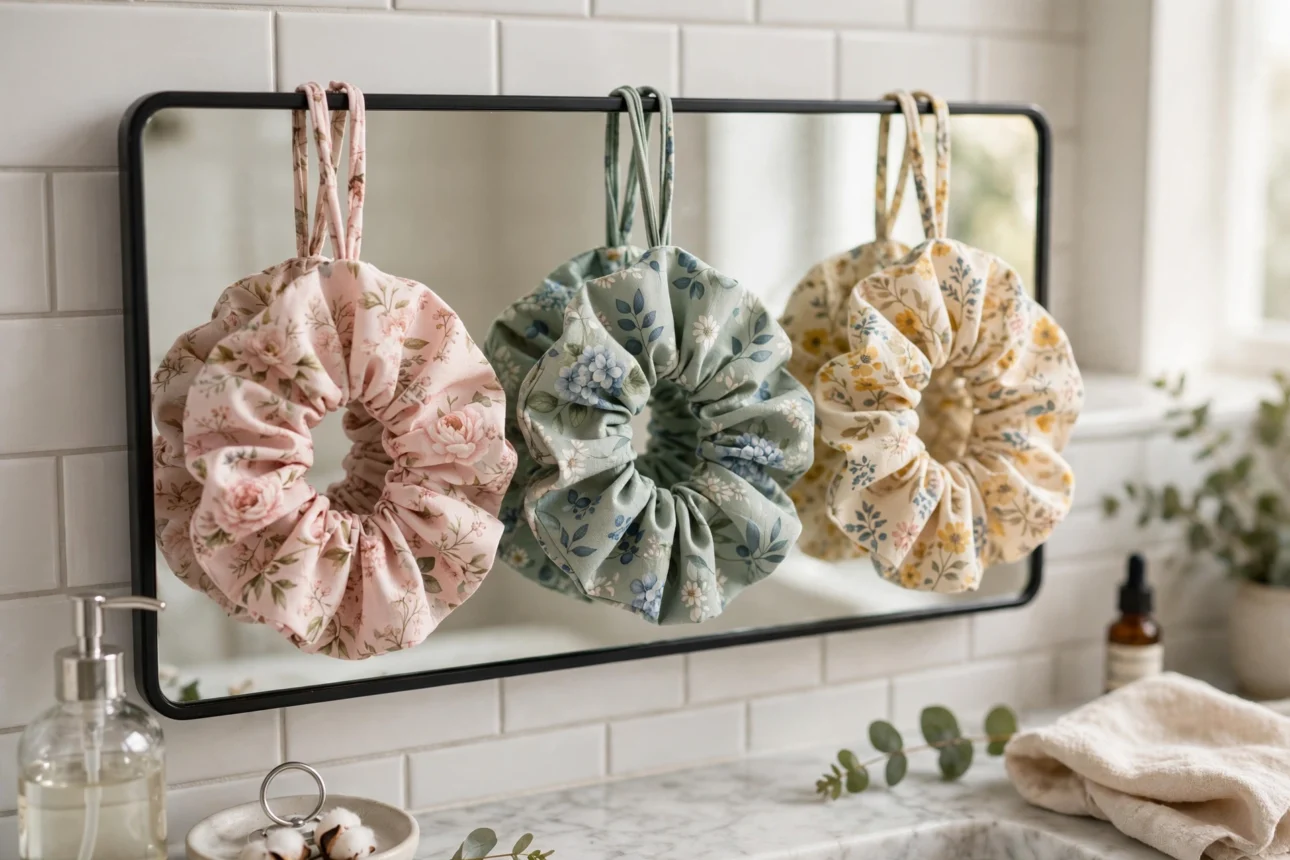
Cut a strip of fabric about six inches wide and twenty inches long, fold it lengthwise with right sides facing in, and sew along the long edge to form a tube. Turn the tube right side out and thread a length of elastic through the middle using a safety pin. Overlap the elastic ends and sew them together, then tuck the elastic inside and sew the two open ends of the fabric tube closed by hand. A single fat quarter makes two or three scrunchies, so this is a good way to use up a favorite print that is too small for anything larger.
3. Fabric Cord Keeper
Cut a small rectangle of fabric, roughly three by five inches, and fold it in half with right sides together. Sew along the two open sides, leaving a small gap to turn it right side out, then top stitch the whole piece closed. Sew a snap or a small piece of hook and loop tape to one end. Wrap the coiled cord loosely and snap the fabric wrap around the middle to keep it tidy. Made in batches, these solve the tangled charger drawer problem for very little effort.
4. Drawstring Gift Bag
Cut a rectangle of fabric roughly ten by twelve inches and fold it in half with right sides together, then sew down the open side and across the bottom, leaving the top open. Fold the top edge down about an inch and sew around it, leaving a small opening on each side, to create a channel for the drawstring. Thread a length of ribbon or cord through the channel with a safety pin, then knot the ends. These bags are reusable wrapping for gift cards, small presents, or holiday treats, and they never end up in a landfill the way paper wrap does.
5. Fabric Rope Bowl
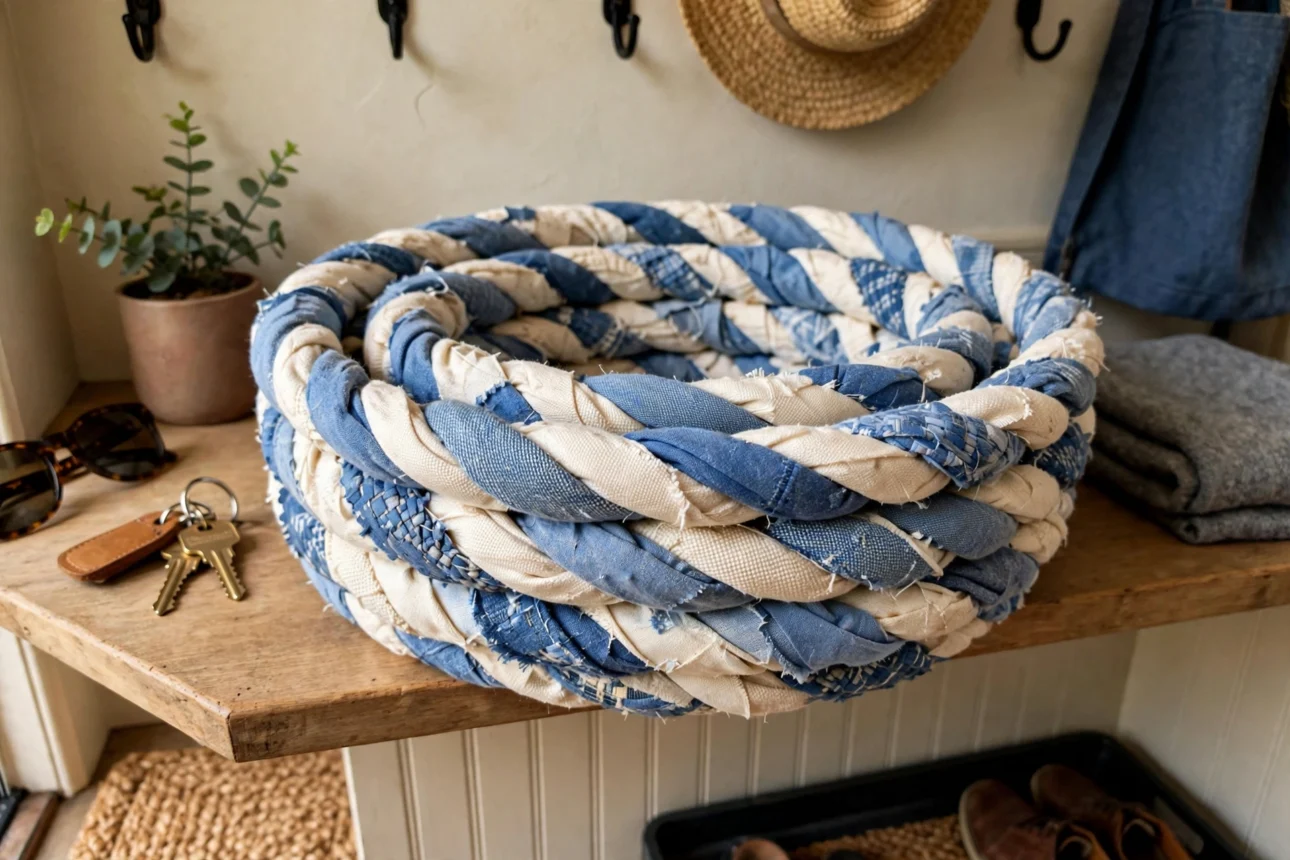
Cut long, thin strips from several scraps, joining shorter pieces end to end if needed to make one long continuous strip. Wrap the strip tightly around a length of clothesline rope, then coil the wrapped rope flat, stitching through the coils with a wide zigzag stitch as you go to hold everything together. Once the base reaches the size you want, start stacking the coils upward to build the sides of the bowl. The mix of colors from different scraps gives each bowl a one of a kind look, and it holds keys, fruit, or small notions once finished.
6. Patchwork Pillow Cover
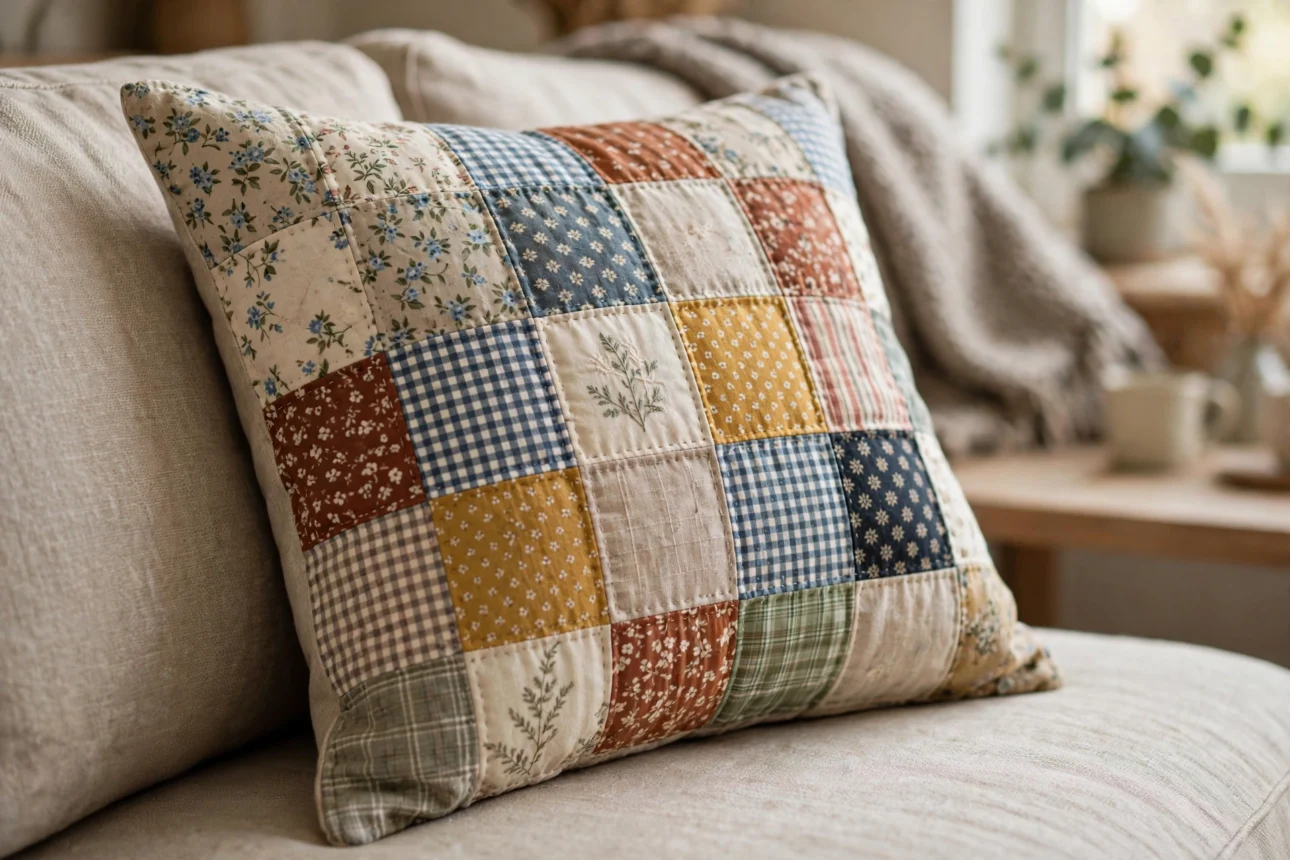
Sew several fabric scraps together into rows, then sew the rows together to form one large patchwork square slightly bigger than your pillow form. Cut a second patchwork square, or use a single piece of coordinating fabric, for the back. Sew the front and back together around three sides with right sides facing in, leaving one side open, then turn right side out, insert the pillow form, and hand sew the opening closed. Mixing prints, solids, and even a bit of denim in the same cover gives the pillow a lived in, gathered together look that a store bought one cannot match. Iron every seam flat as you sew so the finished front lies smooth rather than puckered, since patchwork tends to show any unevenness more than a single piece of fabric would.
7. Fabric Bookmark
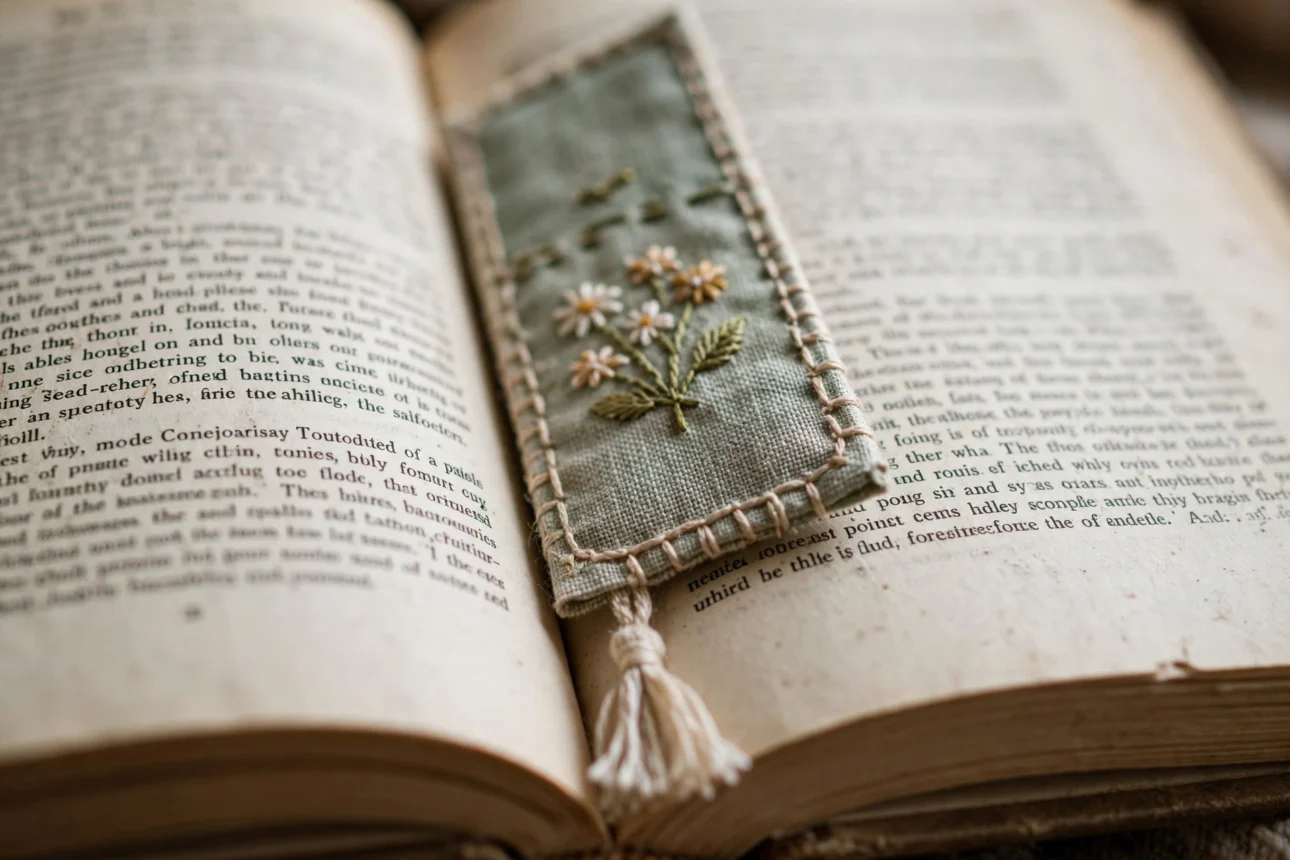
Cut two matching strips of fabric roughly two inches wide and six inches long, then a same sized piece of fusible interfacing to give the bookmark some structure. Iron the interfacing to the wrong side of one strip, then sew the two strips together around all four sides, leaving a small gap for turning. Turn right side out, press flat, and top stitch around the edge to close the gap. A ribbon or tassel glued or sewn to one corner finishes it off. This is one of the fastest projects on the list and uses up even the tiniest scraps.
8. Mug Rug
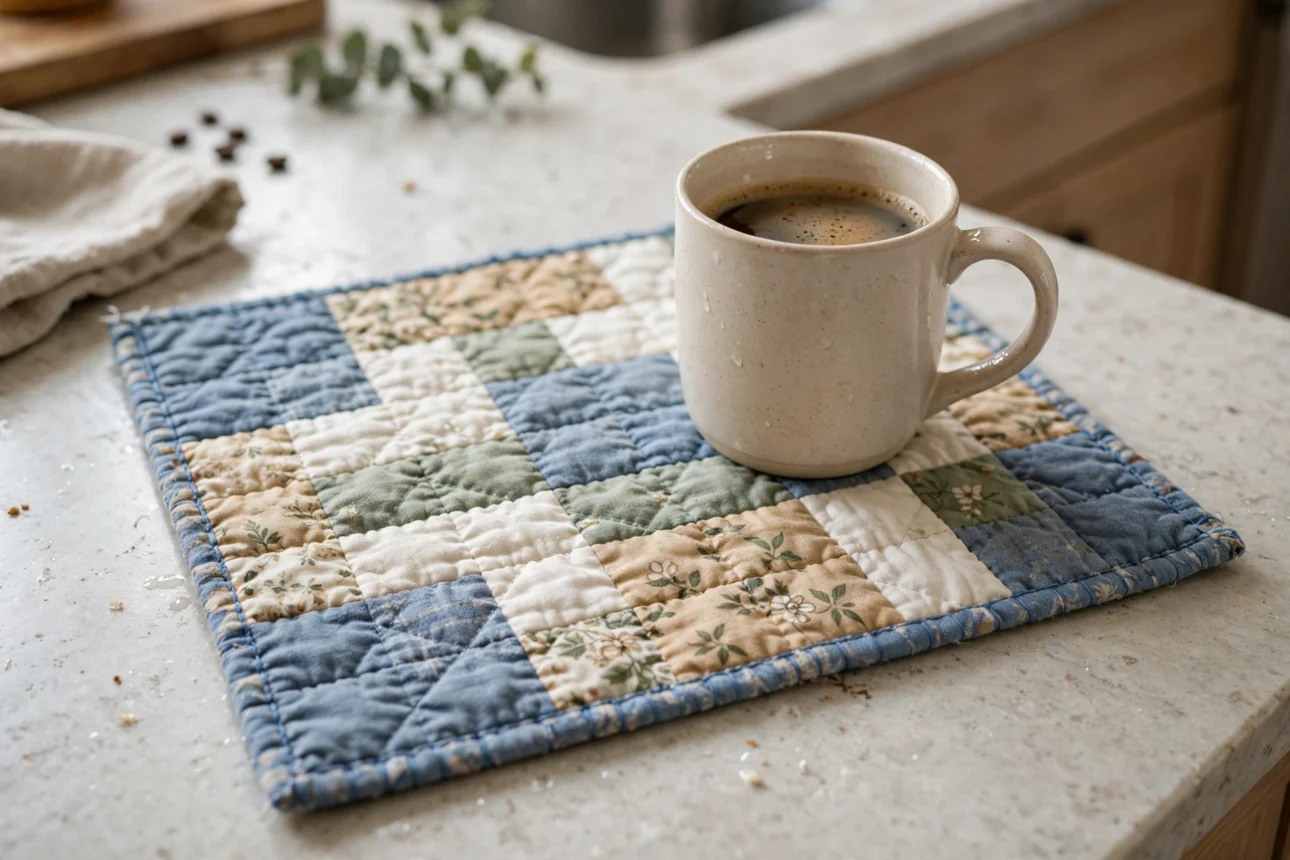
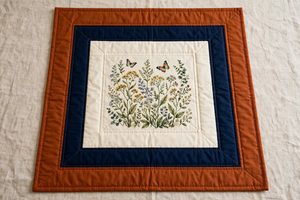
A mug rug is simply a small quilted mat, usually around five by seven inches, sized to hold a mug and a small snack or phone. Piece a few scraps into a simple patchwork top, layer it with batting and a backing fabric, then quilt the layers together with straight lines of stitching. Bind the edges with a strip of bias tape made from another scrap, or simply sew around the edge and turn it right side out before top stitching closed. These make quick handmade gifts for coworkers or teachers, especially in a themed print for a holiday or season.
9. Zipper Pouch
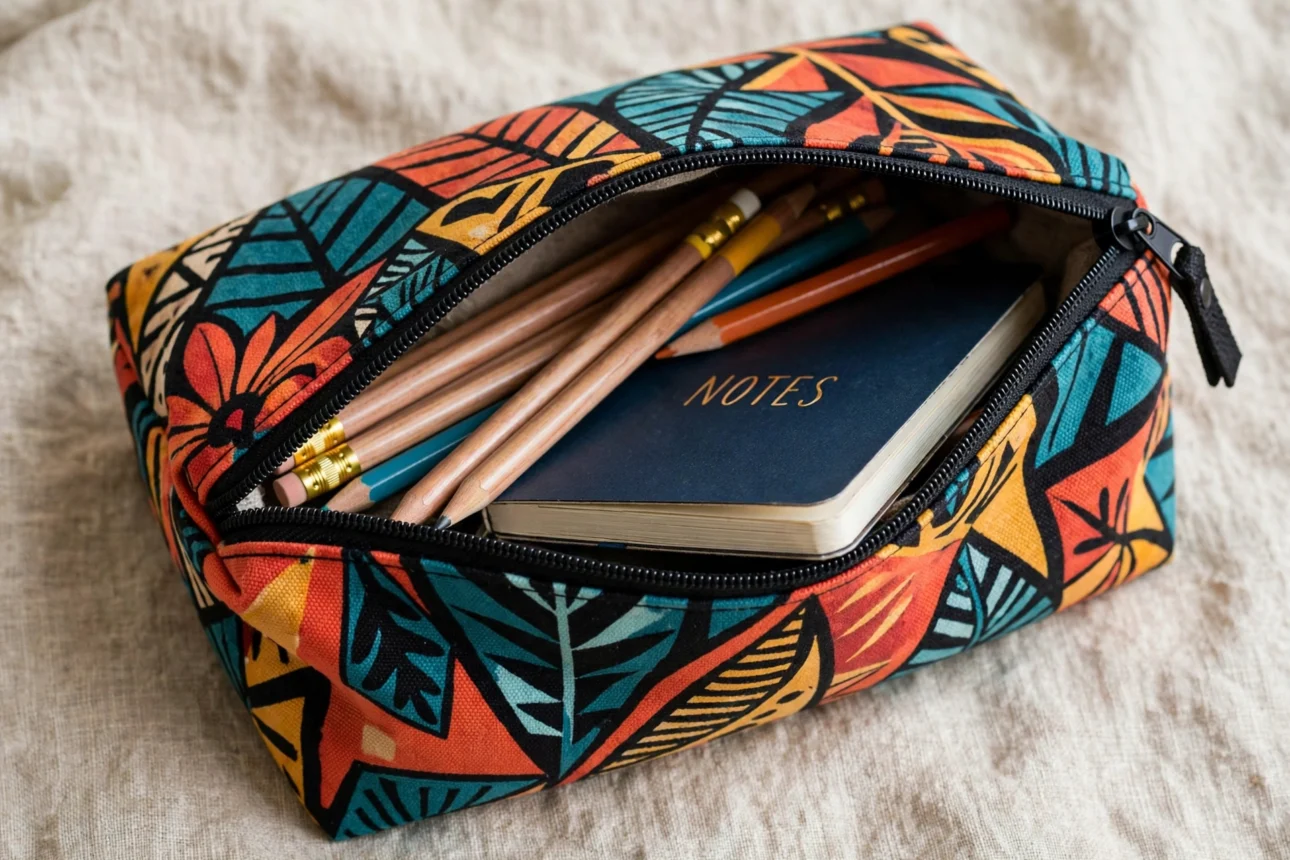
Cut two pieces of outer fabric and two pieces of lining fabric, each around eight by ten inches, along with a zipper trimmed to fit. Sandwich the zipper between one outer piece and one lining piece, right sides together, and sew along the zipper edge, then repeat on the other side with the second outer and lining piece. Unfold everything flat, then sew around the remaining sides of the outer fabric and separately around the lining, leaving a small gap in the lining to turn everything right side out. Push the lining inside the pouch and top stitch around the zipper edge for a finished look. This pouch handles makeup, pencils, or small electronics equally well.
10. Fabric Flowers
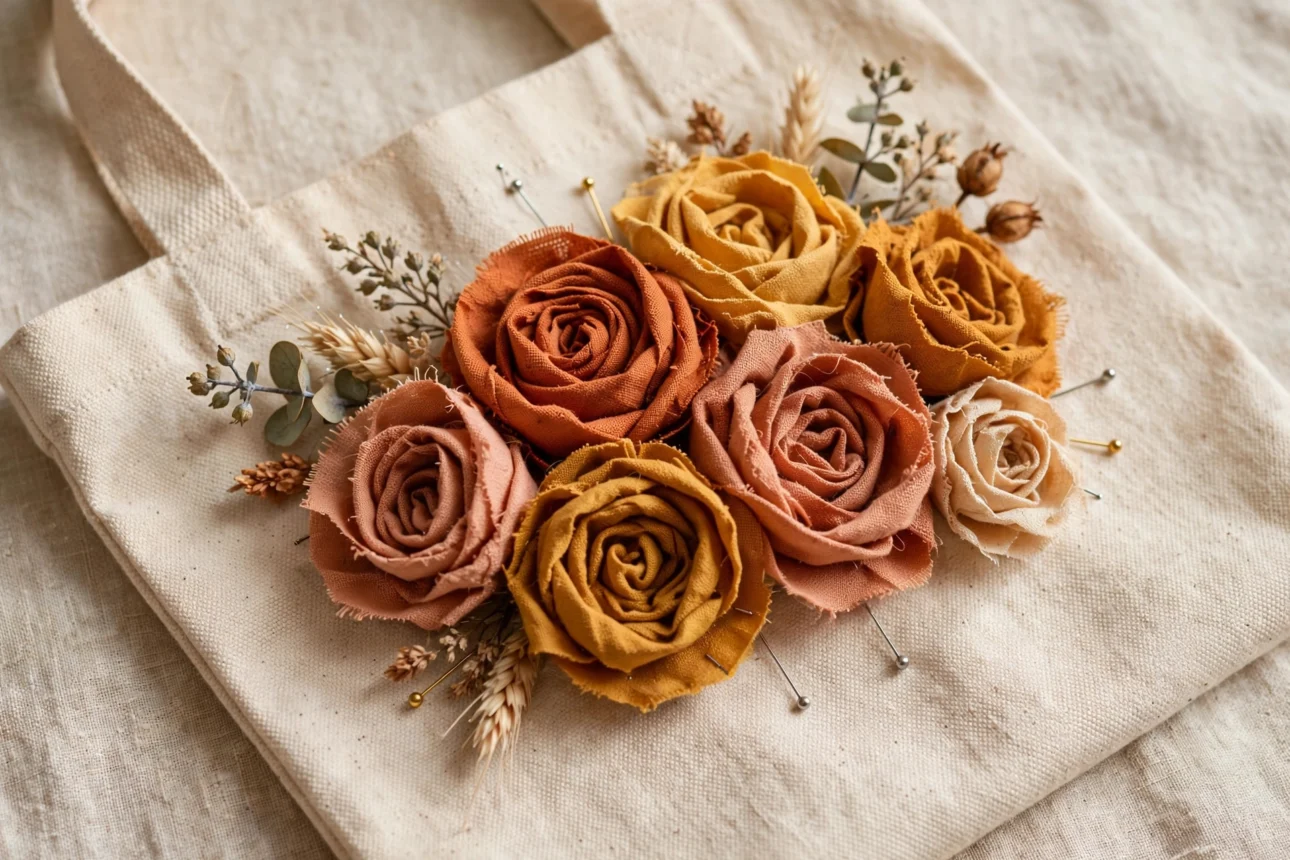
Cut a long strip of fabric, about two inches wide, and run a loose hand stitch along one long edge. Pull the thread gently to gather the strip into ruffles, then coil the ruffled strip around itself, stitching the base as you go to hold the spiral shape in place. Tuck the raw edges under at the center and secure with a few extra stitches. Glue a button or a bead in the middle to finish the flower, then attach it to a hair clip, a pin back, or a gift ribbon. Different fabric weights create very different looking petals, so mixing scraps gives varied results even using the same technique.
11. Pin Cushion
Cut two matching squares of fabric, around four inches each, and sew them together around three and a half sides with right sides facing in, leaving a gap for stuffing. Turn the square right side out through the gap, then fill firmly with polyester stuffing or a mix of stuffing and crushed walnut shells, which help keep needles sharp. Hand sew the opening closed with small, tight stitches. Sitting on a sewing table, a pin cushion made from a favorite leftover print becomes a small daily reminder of a project you loved making.
12. Fabric Headband
Cut a strip of fabric about four inches wide and twenty two inches long, fold it lengthwise with right sides together, and sew along the long edge to make a tube. Turn the tube right side out and press it flat. Sew a length of thin elastic to each end of the fabric tube, then knot the elastic ends together at the desired length for the headband. Twist or bunch the fabric slightly before securing for a more relaxed, gathered look rather than a flat band. A single fat quarter can produce two or three of these, and they make a fast handmade gift.
FAQ
What is the easiest way to start using up fabric scraps?
Coasters and bookmarks are the simplest starting projects. Both need only small scraps, a few straight seams, and finish in under twenty minutes each.
How should I sort and store fabric scraps?
Sort by size into three rough groups: tiny pieces under four inches, small pieces up to a fat quarter, and anything larger folded and stored with your main fabric stash.
Do I need a sewing machine for these projects?
Most projects go faster with a machine, but fabric flowers, pin cushions and bookmarks can all be hand sewn if you prefer working without one.
What can I do with fabric scraps too small to sew at all?
Very small pieces work well as stuffing for pin cushions or plush toys, or can be shredded and mixed into stuffing for other projects instead of thrown away.
How much fabric should I keep before starting a project?
Most of these projects need less than a quarter yard total. Keeping pieces as small as three inches square is worthwhile, since coasters, bookmarks and flowers all use scraps that size.
References
- Scattered Thoughts of a Crafty Mom, “75+ Scrap Fabric Projects to Use up Your Leftover Fabric” (2024)
- AllFreeSewing, “40+ Scrap Fabric Projects (+ Sewing Patterns)” (2022)
- Heather Handmade, “48 Spectacular Scrap Fabric Sewing Projects” (2026)
- SewCanShe, “100 Free Things to Sew Using Fabric Scraps” (2026)
- Create Whimsy, “Scrap Fabric Sewing Project Ideas” (2025)

Sarah Anderson . J
I’m the mom behind Wise Mom Blogger, where everyday creativity meets real-life motherhood. I share easy DIY crafts, cozy knitting and crochet projects, beginner-friendly sewing ideas, and family-tested recipes—plus quick baking hacks that make homemade feel doable on busy days.