
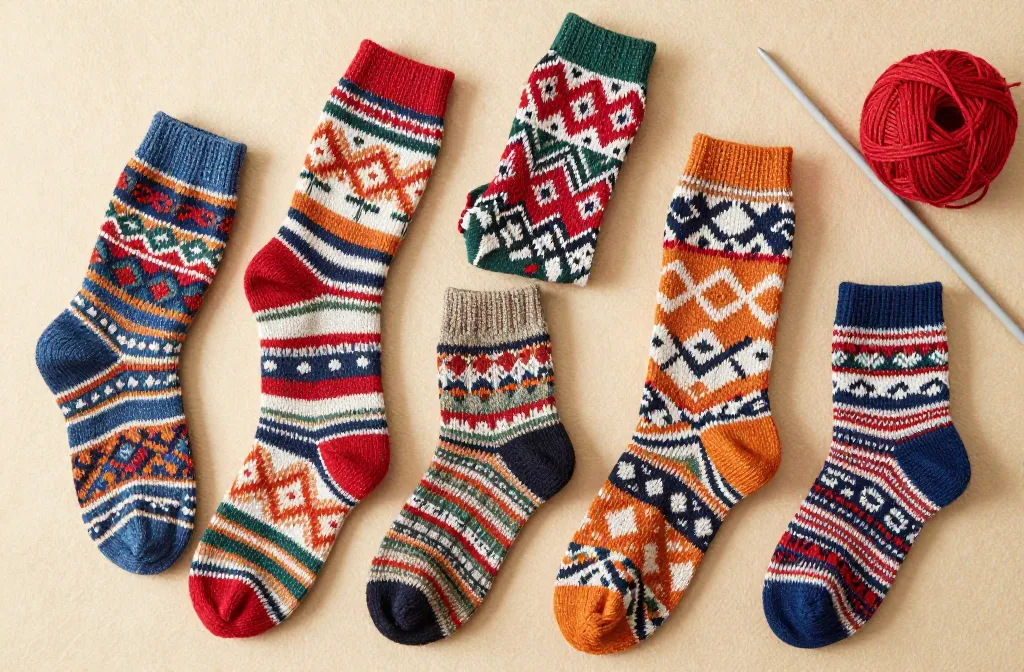

Alright, fellow yarn enthusiasts, get ready to ditch those boring store-bought socks! We’re diving headfirst into the wonderful world of handmade foot coverings. These 10 socks knitting pattern ideas aren’t just about keeping your toes toasty; they’re about expressing your creativity, mastering new skills, and seriously, making your feet feel like royalty. Prepare for some serious sock obsession!
1. The Classic Ribbed Wonder Sock
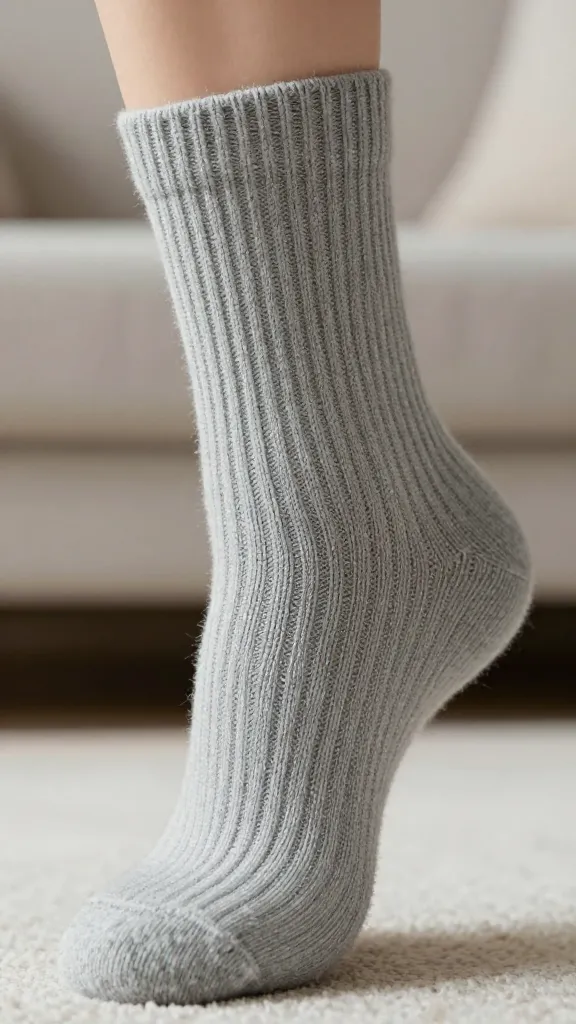
Let’s kick things off with a true MVP: the ribbed sock. This isn’t just for beginners, though it’s a fantastic starting point. A good ribbed pattern offers incredible elasticity and a snug fit, making it universally flattering and super comfortable.
Why is it a wonder? Because it stretches and hugs your foot perfectly, preventing that dreaded saggy ankle situation. Plus, the rhythmic knit-purl repetition is incredibly meditative once you get into the swing of it. Seriously, it’s a knitter’s zen garden.
Key Features:
- Universal Fit: The ribbing provides excellent stretch, accommodating various foot shapes.
- Durability: Ribbed fabric is notoriously sturdy and holds up well to wear and tear.
- Simplicity: Often involves simple 1×1 or 2×2 ribbing, making it accessible.
Tips for Success:
Use a good quality sock yarn with some nylon content for extra strength. Don’t be afraid to experiment with different rib ratios – a 3×1 rib can offer a subtly different texture and feel. This pattern is your reliable everyday go-to, perfect for slipping into boots or just lounging around.
2. Cozy Cables: The Hug-Your-Feet Sock
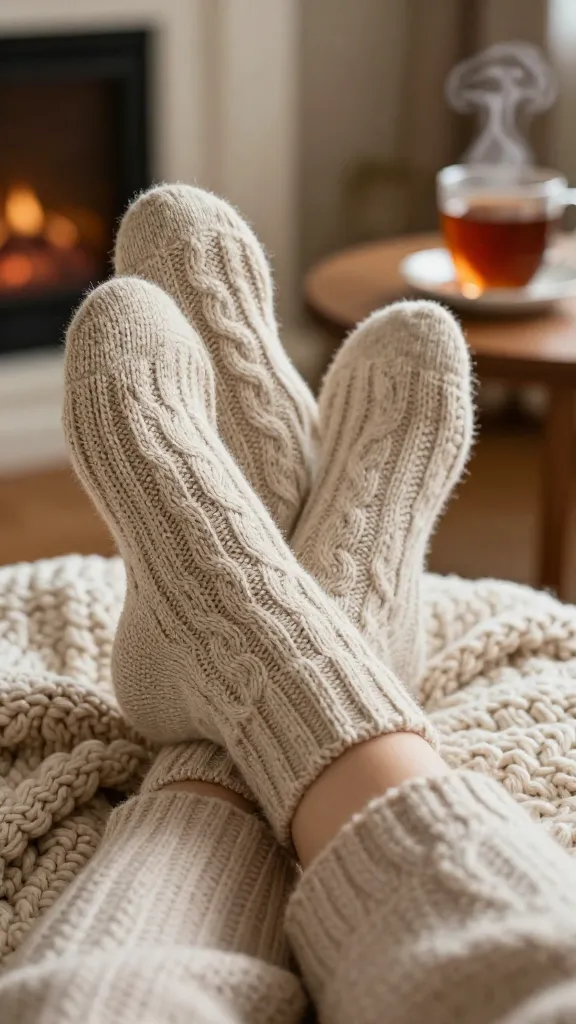
Ready to elevate your sock game with some serious texture? Cable knit socks are where it’s at. These beauties aren’t just visually stunning; the cables add an extra layer of warmth and a delightful squishiness that your feet will absolutely adore. They look complex, but trust me, once you get the hang of a cable needle, you’ll be cabling like a pro.
Imagine snuggling up with a cup of tea, your feet enveloped in these intricate, comforting masterpieces. It’s pure bliss, IMO. Cables add depth and a touch of sophistication that plain socks just can’t match.
Getting Started with Cables:
You’ll need a cable needle, which is basically a tiny, bent extra needle to hold stitches temporarily. Most patterns will clearly guide you through the “cable twist” process. Start with a simple cable repeat before tackling something super intricate.
Yarn & Wear:
- Yarn: A smooth, plied yarn will show off the cable definition best. Merino wool is a dream!
- Skill Level: Intermediate, but an adventurous beginner can totally conquer this.
These socks are perfect for adding a touch of elegance to your winter wardrobe or for gifting to someone who truly appreciates handmade luxury. They’re a statement piece for your feet!
3. Delicate Details: The Lace Panel Sock
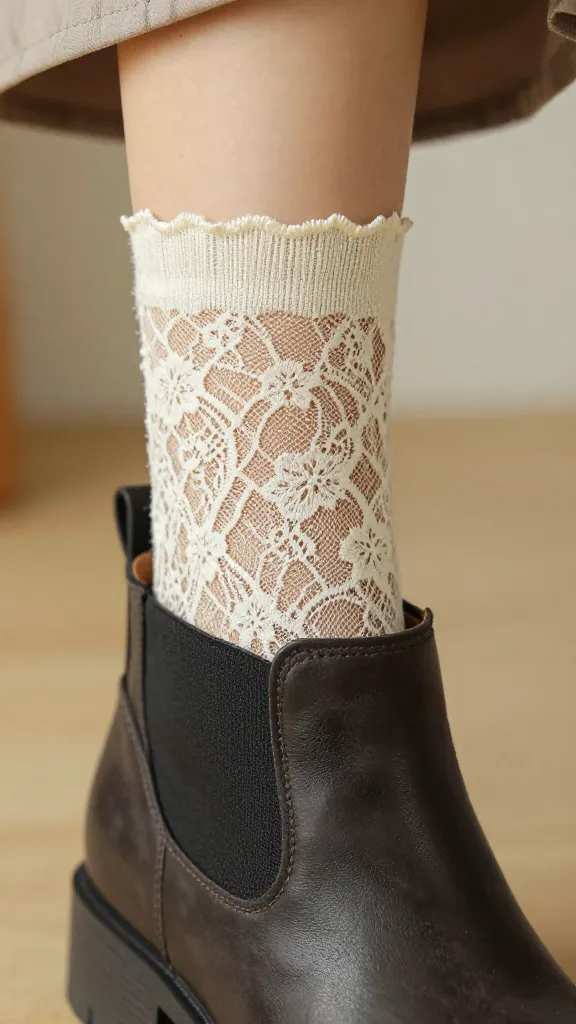
Who says socks can’t be delicate and beautiful? Lace panel socks bring an exquisite touch to your footwear. While they might look intimidating, many lace patterns are just a combination of simple yarn overs and decreases. The result is an airy, elegant fabric that’s surprisingly sturdy.
Picture yourself wearing these with a pair of ankle boots, with just a hint of the pretty lace peeking out. Talk about elevating an outfit! They’re a fantastic way to add a feminine touch without going overboard.
Lace Magic:
Lace knitting creates holes, so it’s often paired with a simpler stitch like stockinette or ribbing to ensure the sock still fits well and isn’t too flimsy. The lace panel usually runs up the front or side of the sock.
Pattern Pointers:
- Chart Reading: Many lace patterns are charted, so familiarize yourself with basic chart symbols.
- Blocking: Blocking is crucial for lace to open up those beautiful stitches and lay flat.
These socks are ideal for spring and autumn, offering breathability while still providing warmth. They also make truly thoughtful, beautiful gifts for those who appreciate fine details.
4. Fair Isle Fun: Colorwork Creations
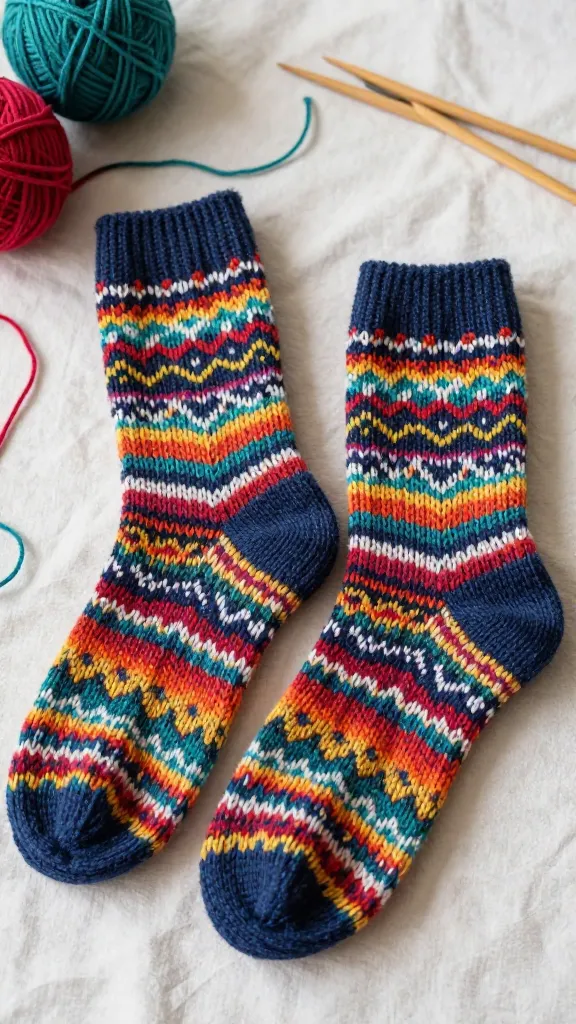
Ready to play with a rainbow of colors? Fair Isle socks are your canvas! This traditional stranded colorwork technique creates stunning patterns using two (or sometimes more) colors per round. The stranded yarn on the inside adds an extra layer of warmth, making these socks super cozy.
Honestly, few things are as satisfying as watching a vibrant pattern emerge row by row. It’s like magic, but with yarn! Plus, you get to use up all those delightful little bits of leftover sock yarn you’ve been hoarding. Don’t deny it, we all do it.
Mastering Colorwork:
The key to good Fair Isle is maintaining consistent tension with both colors. You don’t want your fabric to pucker or be too loose. Carry your non-working yarn loosely across the back of your work.
Yarn & Impact:
- Yarn: High-contrast colors will make your patterns pop! Think about complementary shades.
- Skill Level: Intermediate, mainly due to managing multiple strands and tension.
These socks are perfect for adding a splash of personality to any outfit, especially with solid-colored shoes or boots. They’re also incredibly warm, making them a winter favorite.
5. Toe-Up Triumph: The No-Grafting Sock
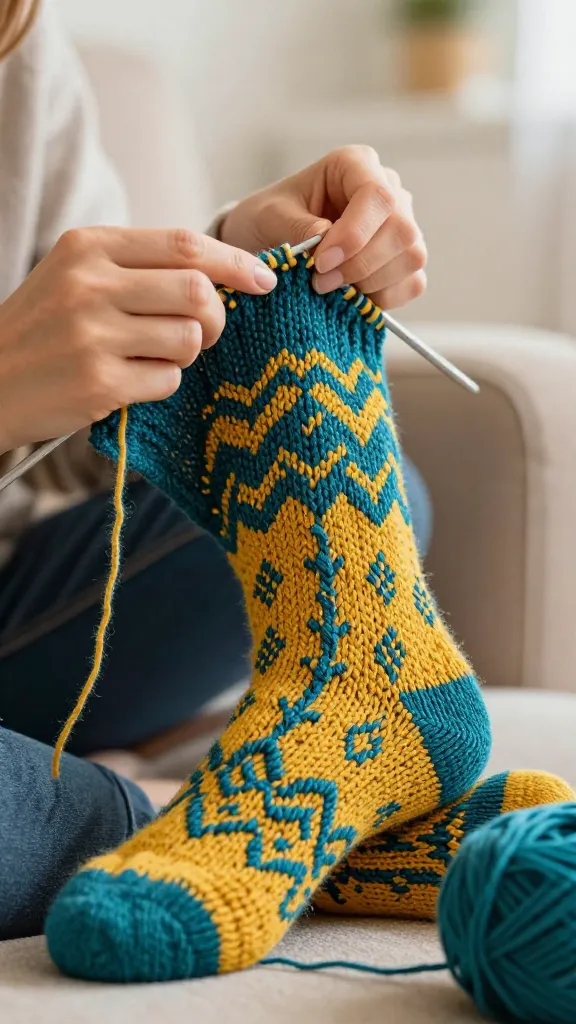
Are you one of those knitters who dreads kitchener stitch (aka grafting the toe)? Then the toe-up sock is about to become your new best friend! As the name suggests, you start at the toe and work your way up to the cuff. This construction also allows for easy try-on as you go, ensuring a perfect fit.
It’s also super handy if you’re playing yarn chicken with a precious skein, because you can just knit until you run out of yarn, making for a perfectly sized cuff. No more guessing if you have enough for that second sock!
Toe-Up Perks:
Starting with a provisional cast-on or a magic loop cast-on creates a seamless toe. You then increase stitches to form the foot, work the heel (often a short-row heel), and then knit the leg and cuff. It’s a different approach, but incredibly rewarding.
Why Try It?
- No Grafting: Avoids the dreaded kitchener stitch.
- Custom Fit: Try on as you knit to get the perfect length.
- Yarn Efficiency: Knit until you run out of yarn for the cuff.
This method is fantastic for those who prefer working from the bottom up or want to experiment with different heel constructions. It’s a great technique to add to your repertoire, seriously!
6. Heel-Flap & Gusset: The Traditional Fit
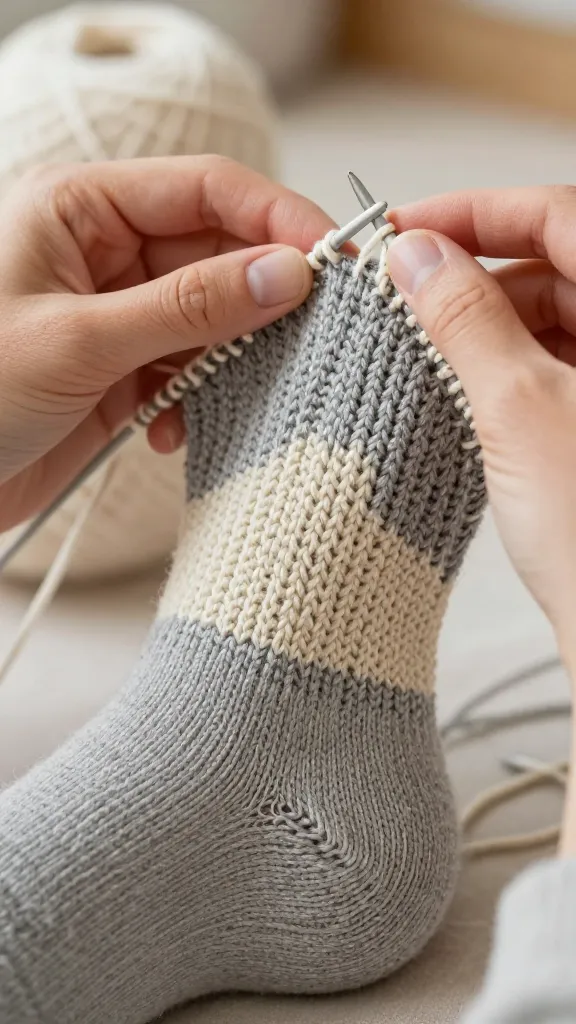
If you’re looking for a classic, incredibly well-fitting sock with a robust heel, the heel-flap and gusset construction is your go-to. This traditional method creates a strong, durable heel that stands up to a lot of wear, and the gusset provides extra room for your ankle and instep, resulting in a supremely comfortable fit.
It might sound a bit technical, but breaking it down into steps makes it totally manageable. Plus, there’s something incredibly satisfying about turning that heel and seeing it take shape. It’s like a little architectural marvel for your foot.
Understanding the Anatomy:
- Heel Flap: A rectangular piece worked back and forth, often in a slipped stitch pattern for durability.
- Heel Turn: Short rows are used to shape the cup of the heel.
- Gusset: Stitches picked up along the sides of the heel flap, then decreased to rejoin the main foot stitches.
Benefits:
This construction offers excellent durability and a snug fit around the ankle and instep, preventing slippage. It’s a tried-and-true method for a reason, perfect for everyday socks that need to last.
7. Speedy Shorties: The Ankle Sock Blitz
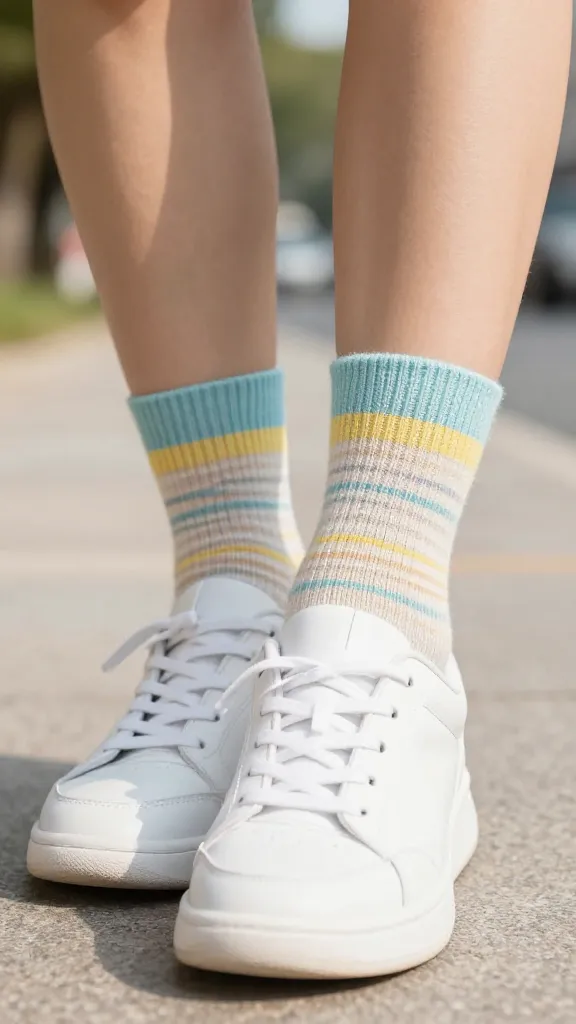
Sometimes you need a quick win, right? Enter the shortie or ankle sock! These are fantastic for warmer weather, peeking out just above your sneakers, or for when you just want a faster project to get that instant gratification. They use less yarn and knit up in a flash, making them perfect for last-minute gifts or using up those smaller skeins.
Don’t underestimate the power of a good ankle sock. They’re practical, stylish, and a great way to practice new techniques without committing to a full-length project. Plus, who doesn’t love a quick knit?
Why Knit Shorties?
- Quick Project: Less yarn, faster finish.
- Warm Weather Friendly: Perfect for spring and summer.
- Yarn Buster: Great for using up those smaller hanks of yarn.
Styling Ideas:
Knit them in bright colors to add a pop to your outfit, or use a simple texture for a subtle touch. They look great with trainers, loafers, or even peeking out from under cropped trousers. These are your fun, casual socks for when you don’t need serious warmth but still want handmade comfort.
8. Chunky Comfort: The Slipper Sock Sanctuary
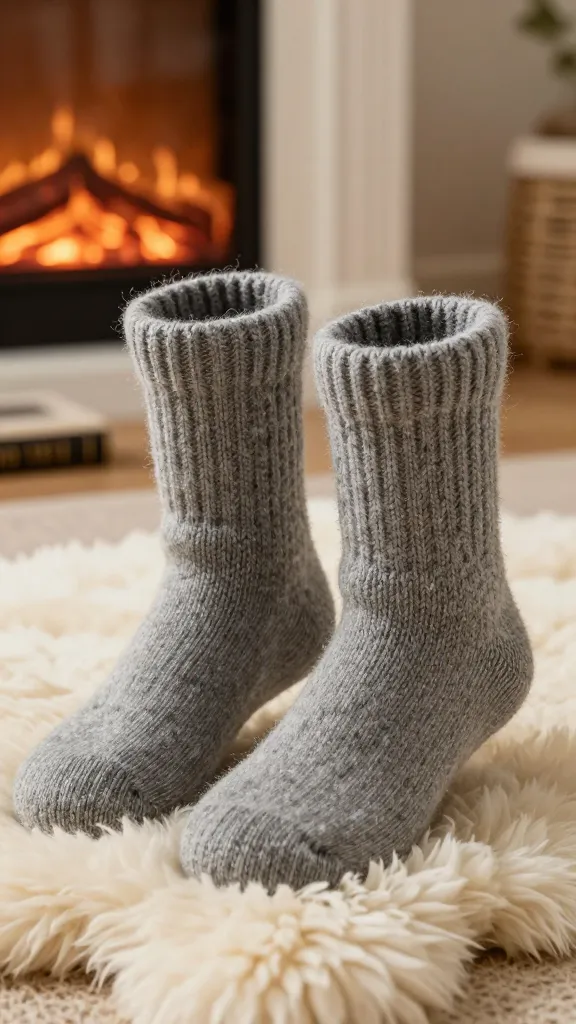
When the temperatures drop and you just want to hibernate, slipper socks are your ultimate cozy companion. These patterns typically use chunkier yarn and larger needles, meaning they knit up incredibly fast. They’re less about fitting into shoes and more about enveloping your feet in a cloud of warmth and softness.
Think lazy Sunday mornings, roaring fires, and a good book. That’s the vibe these socks bring. They’re basically a hug for your feet, and frankly, we all deserve that kind of comfort.
Yarn & Features:
- Yarn: Bulky or super bulky wool blends are perfect for maximum squishiness and warmth.
- Needles: Larger needles mean fewer stitches and faster knitting.
- Sole Options: Some patterns include instructions for adding non-slip soles or leather patches for durability.
Perfect For:
These are your at-home heroes! Ideal for lounging, keeping warm on chilly evenings, or as a thoughtful handmade gift for anyone who loves to be cozy. FYI, they’re also a fantastic project for restless hands that want a quick, satisfying knit.
9. Textured Stitch Savvy: Beyond Ribs & Cables
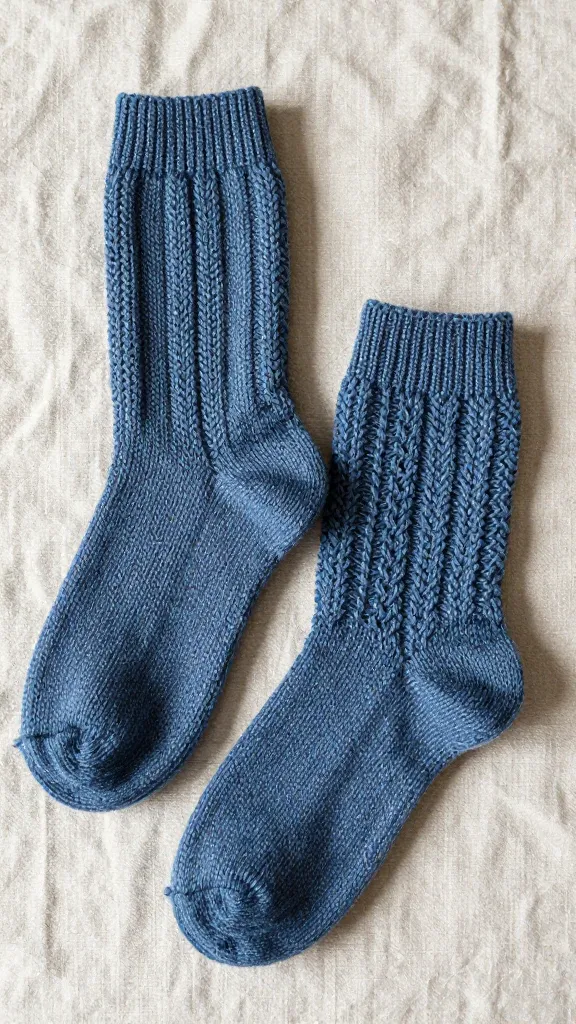
Want to add interest without diving into complex cables or colorwork? Textured stitch socks are your answer! Think moss stitch, seed stitch, basketweave, or even simple slipped-stitch patterns. These stitches create subtle yet beautiful textures that add depth and character to your socks, often with just simple knit and purl combinations.
They offer a sophisticated look that’s still approachable for many knitters. Plus, the varied stitch patterns can make the knitting process more engaging than plain stockinette, keeping boredom at bay.
Texture Exploration:
- Moss Stitch: Creates a bumpy, dense fabric (knit 1, purl 1, alternating rows).
- Seed Stitch: Similar to moss but with a slightly different repeat, offering a subtle texture.
- Slipped Stitch Patterns: These can create vertical lines, mock cables, or even tweed-like effects by slipping stitches.
Why Choose Texture?
These patterns are excellent for showcasing beautiful single-color yarns, allowing the texture to be the star. They’re also great for adding durability and warmth. Use them for everyday socks where you want a little something extra without going overboard.
10. Self-Striping Sorcery: Let the Yarn Do the Work
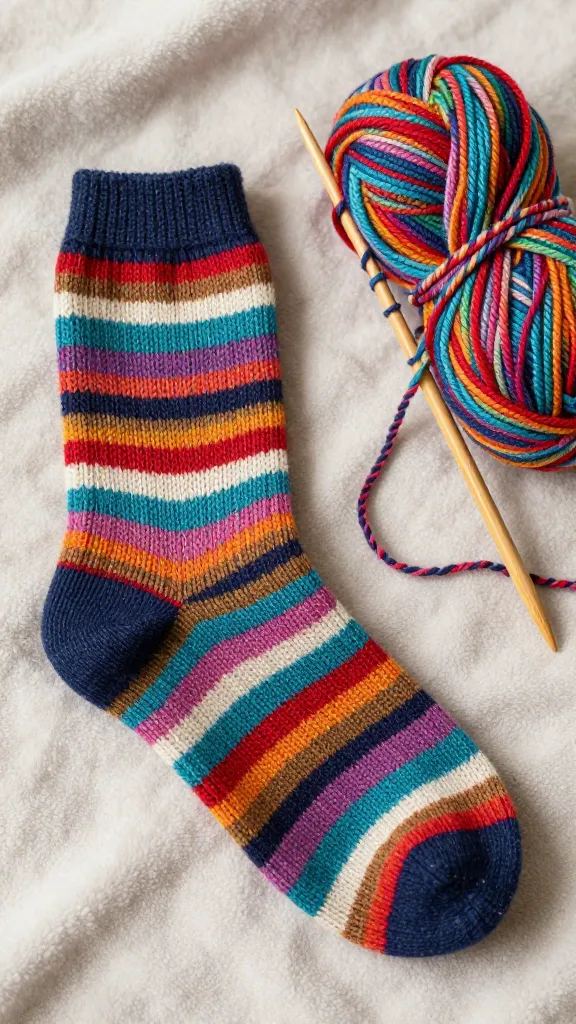
Okay, imagine this: you pick a single skein of yarn, and as you knit, a beautiful, perfectly matched striped pattern magically appears. That, my friend, is the sorcery of self-striping yarn! These patterns are fantastic because they allow you to create visually exciting socks with minimal effort, focusing purely on your knitting technique.
Seriously, it’s like getting all the credit for complex colorwork without actually having to manage multiple strands. It’s knitting zen, perfect for unwinding after a long day. Just knit, and watch the magic unfold!
The Magic of Self-Striping:
The yarn itself is dyed in such a way that when knit at a certain gauge, it forms stripes, gradients, or even fair isle-like patterns. Most self-striping patterns are designed for simple stockinette or ribbed socks, letting the yarn do all the heavy lifting.
Tips for Maximum Impact:
- Simple Patterns: Stick to basic sock patterns (stockinette, simple rib) to let the stripes shine.
- Yarn Choice: There’s a huge variety of self-striping yarns out there, from bold stripes to subtle gradients. Choose one that speaks to your soul!
These socks are perfect for anyone who loves color but wants a straightforward knit. They’re incredibly fun to watch develop and make fantastic gifts that look way more complicated than they actually were to knit.
There you have it, ten fantastic ways to make your feet the happiest they’ve ever been! Whether you’re a seasoned sock knitter or just dipping your toes into the world of handmade footwear, there’s a pattern here calling your name. Grab your needles, pick your favorite yarn, and get ready to create some seriously awesome socks!

Sarah Anderson . J
I’m the mom behind Wise Mom Blogger, where everyday creativity meets real-life motherhood. I share easy DIY crafts, cozy knitting and crochet projects, beginner-friendly sewing ideas, and family-tested recipes—plus quick baking hacks that make homemade feel doable on busy days.
