

High-protein dinners don’t have to feel boring or take forever. I love how the right dinner protein makes my whole evening feel easier—less snacking, better recovery, and more steady energy.
When I’m aiming for good nutrition, I start with proteins that are naturally dense and simple to cook. That way, I don’t have to “build protein” from scratch every time. I also like having smart shortcuts—like yogurt-based marinades or swapping in cottage cheese—to boost protein fast without changing the vibe of the meal. These recipes are weeknight-friendly, flexible, and designed to help you hit a practical target at dinner. Let’s get you 10 delicious options you can rotate all month long.
Key Takeaways
- A practical dinner protein target is around ~30g per meal for many people, using common protein portions.
- Lean proteins like chicken breast, salmon, lean beef, pork chop, and lean ground turkey are easy “protein backbones.”
- Greek yogurt and cottage cheese are simple protein boosters (think marinades, sauces, and creamy toppings).
- Quick cooking methods (skillet, grill, sheet pan) help you stay consistent even on busy nights.
- Use portion sizes to keep protein consistent—especially when swapping one protein for another.
Quick Answer
Here are 10 high-protein dinner recipes (quick, weeknight-friendly) built around lean proteins and easy protein boosts:
- Grilled chicken breast dinner (about ~30g protein)
- Chicken with yogurt-spice marinade
- Turkey-breast swap variation (protein-equivalent)
- Lean ground turkey skillet bowl
- Lean beef dinner with portion-based protein
- Salmon dinner with fast flavor boosters
- Pork chop dinner with simple roasted/sauteed sides
- High-protein “consistent 30g+” chicken design
- Cottage cheese–boosted sauce/topping dinner
- Greek yogurt–based finishing sauce dinner
What You Need
| Item | Purpose | Notes |
|---|---|---|
| Chicken breast (boneless) | Main lean protein | Often ~35g protein per 4 oz cooked |
| Salmon | High-protein fish option | Often ~23g protein per 4 oz (varies by cut) |
| Lean ground turkey | Fast skillet protein | Often ~25g protein per 4 oz cooked |
| Lean beef (e.g., lean mince/steak) | Portion-controlled protein | Often ~24g protein per 4 oz cooked |
| Pork chop (leaner cut) | Juicy protein for dinner | Often ~28g protein per 4 oz |
| Cottage cheese | Creamy high-protein boost | Often ~25g protein per cup |
| Greek yogurt (plain) | Tangy marinade/sauce boost | Often ~22g protein per cup |
| Seasonings (garlic powder, paprika, cumin, pepper, salt) | Flavor without extra calories | Make it easy: choose 2–4 per recipe |
| Vegetables (broccoli, peppers, zucchini, spinach, salad greens) | Volume + fiber | Keep the protein backbone the star |
| Simple carbs (optional) | Energy and satisfaction | Rice, quinoa, potatoes, or whole-grain tortillas |
| Olive oil or cooking spray | Prevent sticking | Use lightly—protein is still the focus |
| Marinade bowl + sheet pan or skillet | Easy cooking setup | Meal prep your marinades ahead |
Step 1: Why these dinners focus on protein
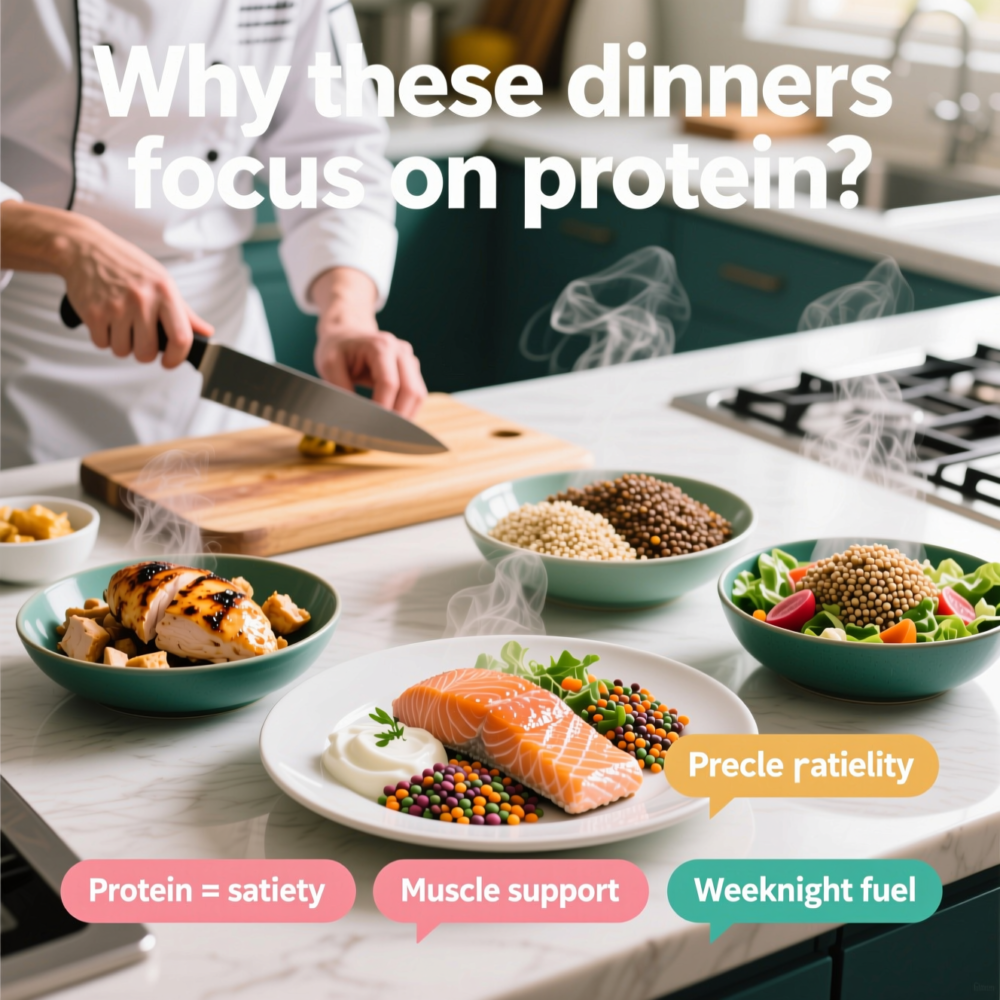
If I’m being honest, the “secret” to high-protein dinners is not complicated—it’s consistency. I pick meals that naturally bring a lot of protein from a single main ingredient. Then I support it with easy add-ons (like yogurt marinades and cottage cheese sauces) instead of trying to force protein with weird ingredients.
This matters because protein helps me feel full longer, and it supports my muscle recovery after activity. It’s also a great way to keep dinner from turning into “something small” that I end up hungry for again later.
Step 2: How much protein to aim for at dinner
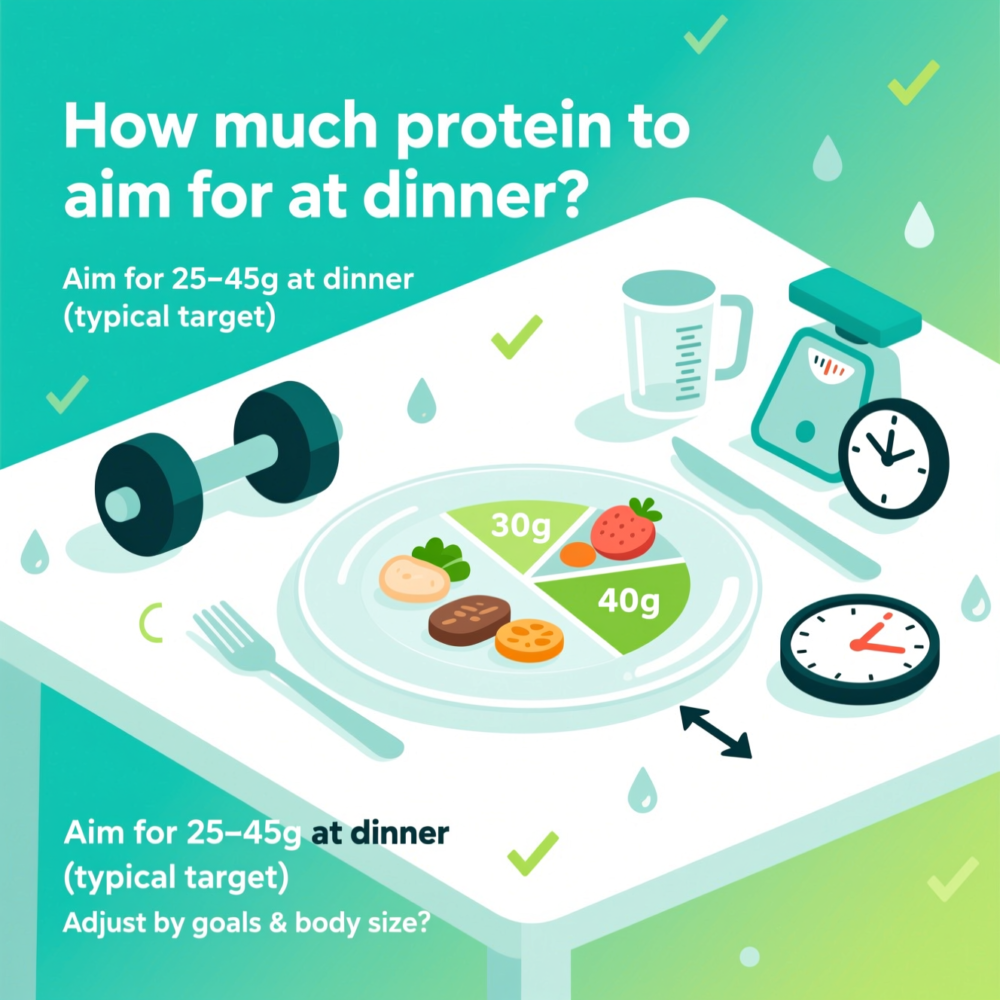
A super practical target for many people is around ~30g protein at dinner. That’s not a strict rule—it’s more like a helpful “aim.” It also lines up with many recipe ideas designed around that range.
Here are some common portion benchmarks I use as a guide:
- Chicken breast: about ~35g protein per 4 oz cooked
- Turkey breast: about ~34g protein per 4 oz cooked (similar idea to chicken)
- Lean beef: about ~24g protein per 4 oz cooked
- Pork chop: about ~28g protein per 4 oz
- Salmon: about ~23g protein per 4 oz (you may want a slightly larger portion or add a booster if needed)
- Cottage cheese: about ~25g protein per cup
- Greek yogurt: about ~22g protein per cup
When I’m building my plate, I don’t obsess over exact numbers. I just use these as a reality check so dinner reliably hits the “high-protein” mark.
Step 3: Choose your protein backbone (lean + easy to cook)
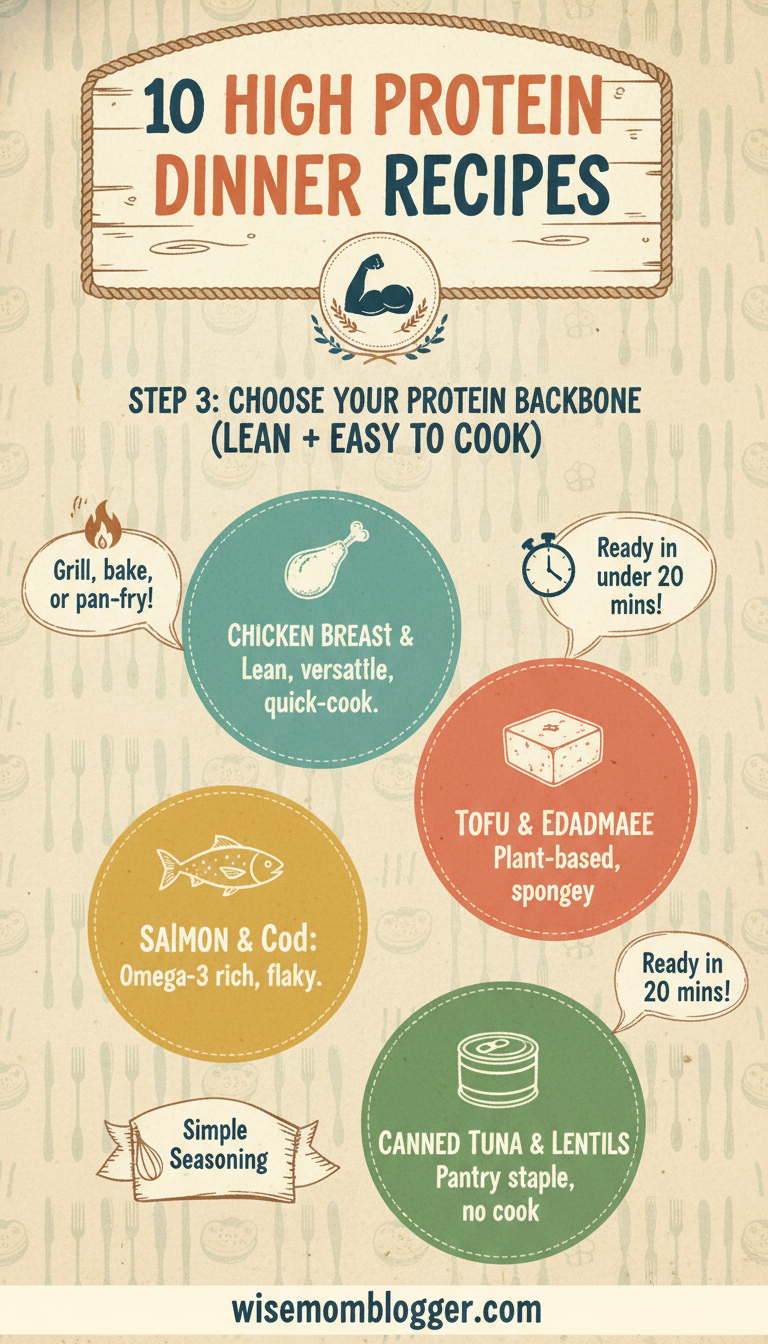
I like to keep a “protein backbone” list because it makes decision-making fast on busy nights. For high-protein dinners, these are my go-to backbones:
- Chicken breast (lean, quick, easy to flavor)
- Salmon (great taste, impressive nutrition, easy to roast or pan-sear)
- Lean beef (portion-controlled, hearty)
- Pork chop (juicy, satisfying)
- Lean ground turkey (best for skillet/bowl dinners)
Then I add one supportive protein if I want extra creaminess or extra protein without extra work:
- Cottage cheese (amazing for creamy sauces/toppings)
- Greek yogurt (perfect for marinades and tangy finishing sauces)
Step 4: The easiest strategy—build each plate around a protein swap
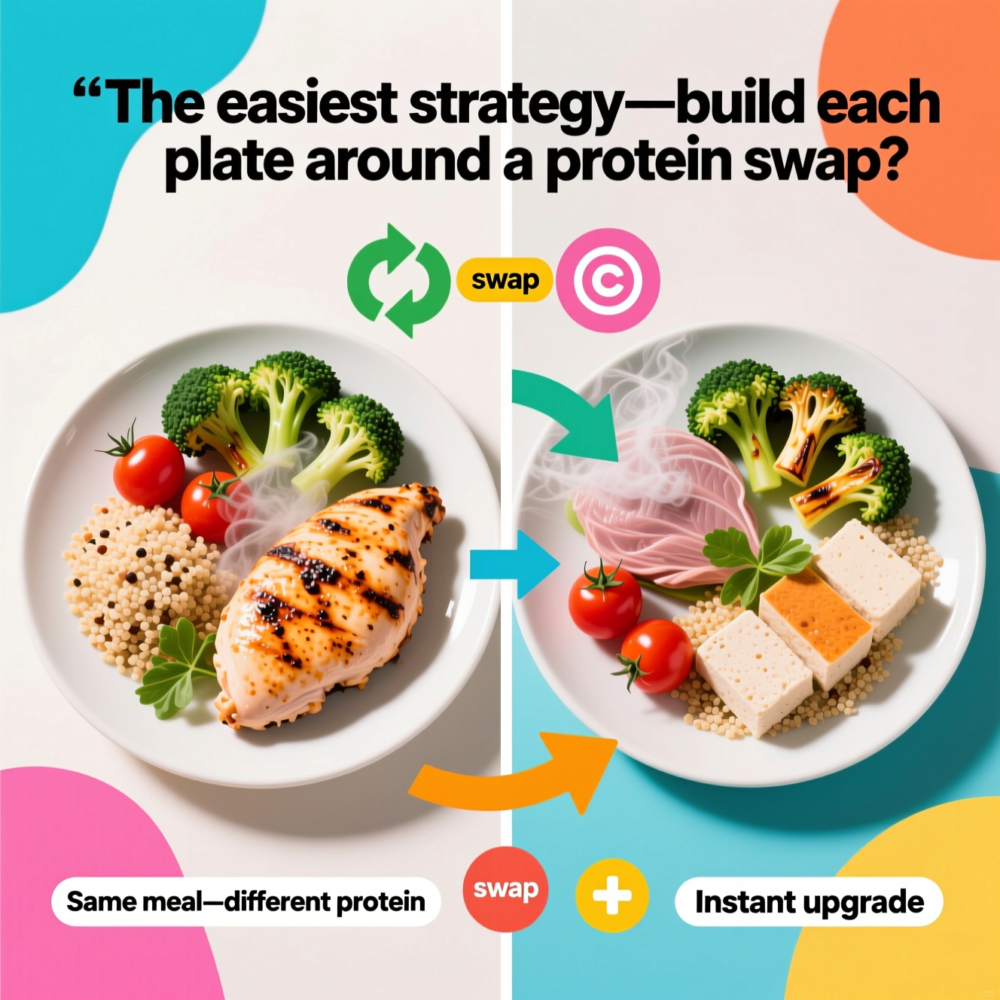
Some nights, I don’t feel like cooking a “whole new recipe.” I feel like swapping ingredients and moving on with my life. That’s where protein swaps shine.
The main idea: if you start with chicken, you can swap in turkey or other lean options using similar portion sizes so protein stays close. I treat swaps like a cheat code:
- Same dinner “style,” different protein.
- Keep portion size similar so protein stays consistent.
- Keep seasonings similar so the meal still tastes familiar.
Step 5: Ingredient substitutions to raise protein quickly
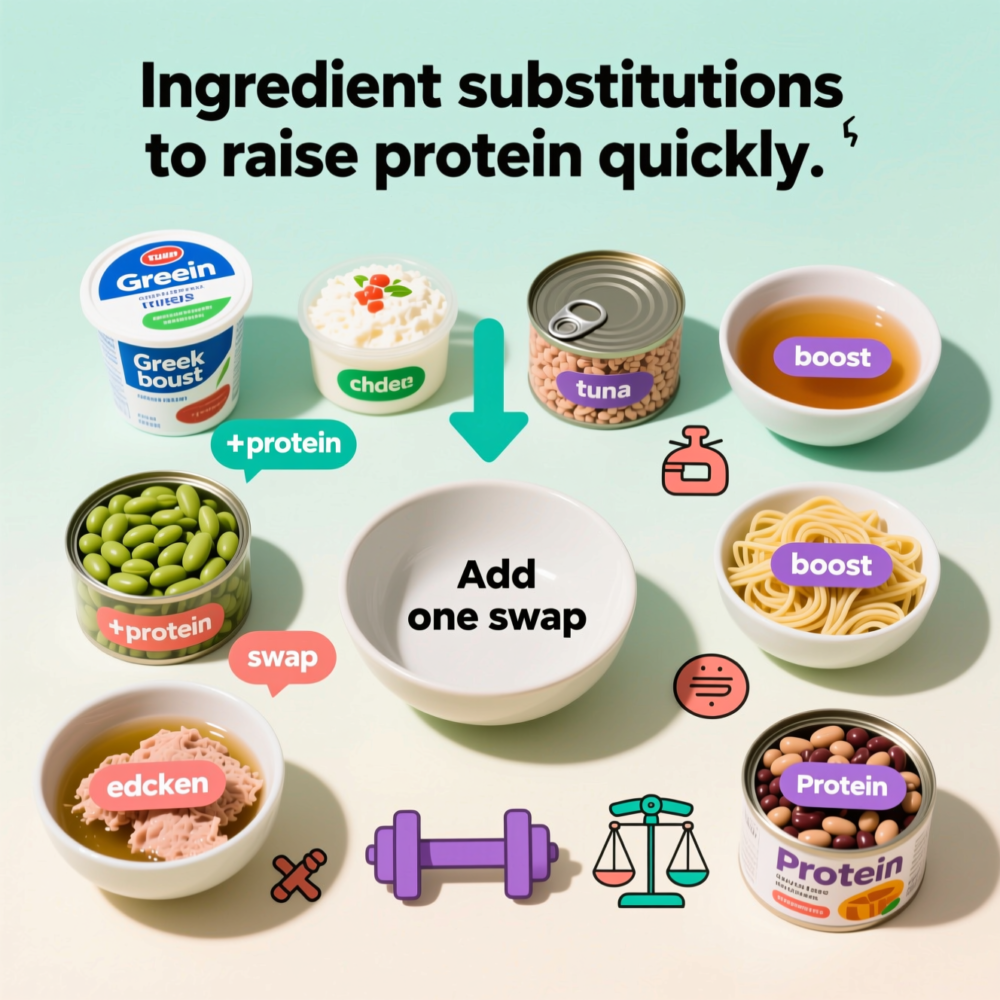
If I want more protein without adding more cooking, I use these two upgrades:
Ricotta-to-cottage cheese logic
In pasta bakes and layered meals, I swap ricotta with cottage cheese (or do a half-and-half mix). Cottage cheese often gives a stronger protein boost while still giving that creamy texture.
Greek yogurt boosts
Greek yogurt is basically my “protein flavor tool.” I use it to:
- coat chicken or fish (as a marinade)
- mix into sauces or dressings
- finish a bowl with tang and creaminess
These swaps help me hit protein goals without turning dinner into a production.
Step 6: Protein “swap chart” mindset
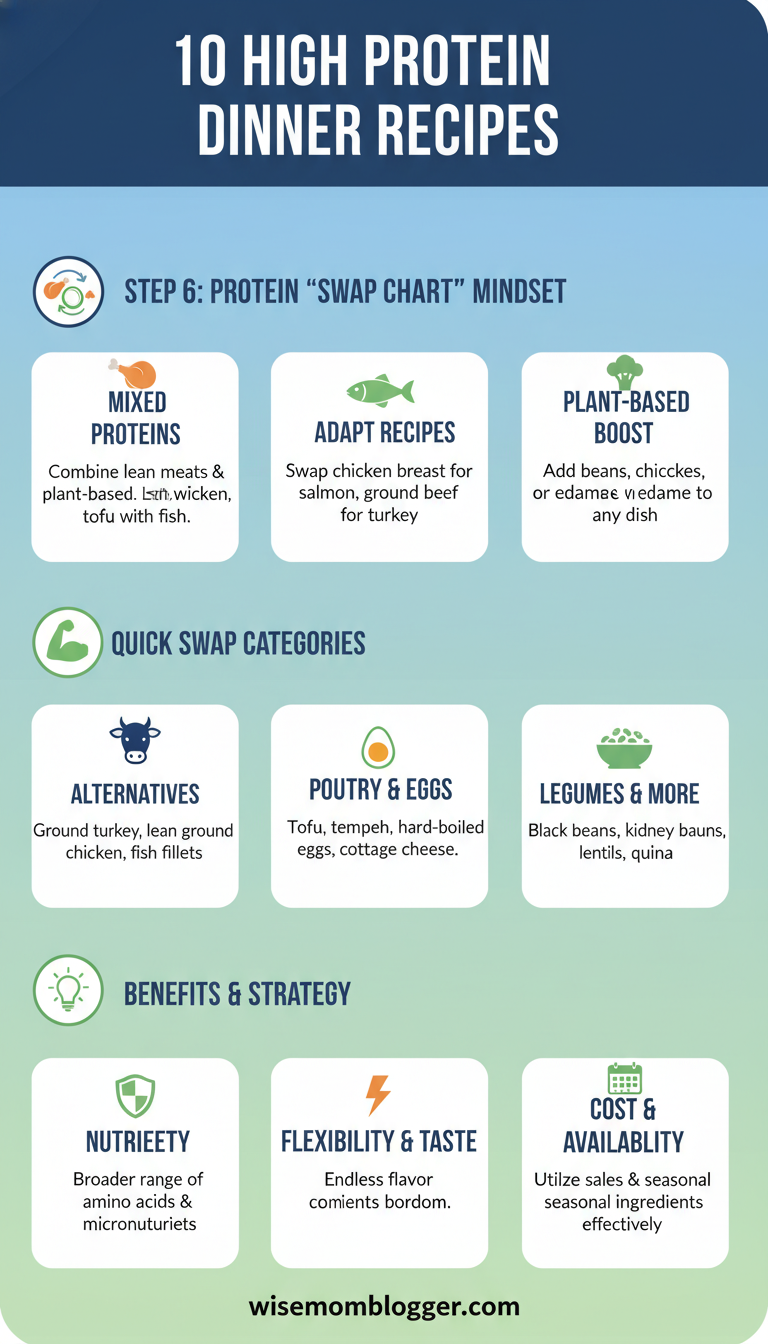
I keep a simple mindset: portion + protein source = predictable results.
For example, if I want about ~30g protein, a common reliable anchor is:
- ~4 oz cooked chicken breast (often lands near that range)
- or lean turkey breast in a similar portion range
- or a cottage cheese cup if I’m building a sauce/topping
If I’m using salmon and it’s closer to ~23g per 4 oz, I adjust by:
- using a slightly larger portion, or
- adding a protein booster (like yogurt-based sauce or cottage cheese topping)
I find that small adjustment is easier than trying to “guess” dinner protein every time.
Step 7: 10 high-protein dinner recipes (quick, weeknight-friendly)
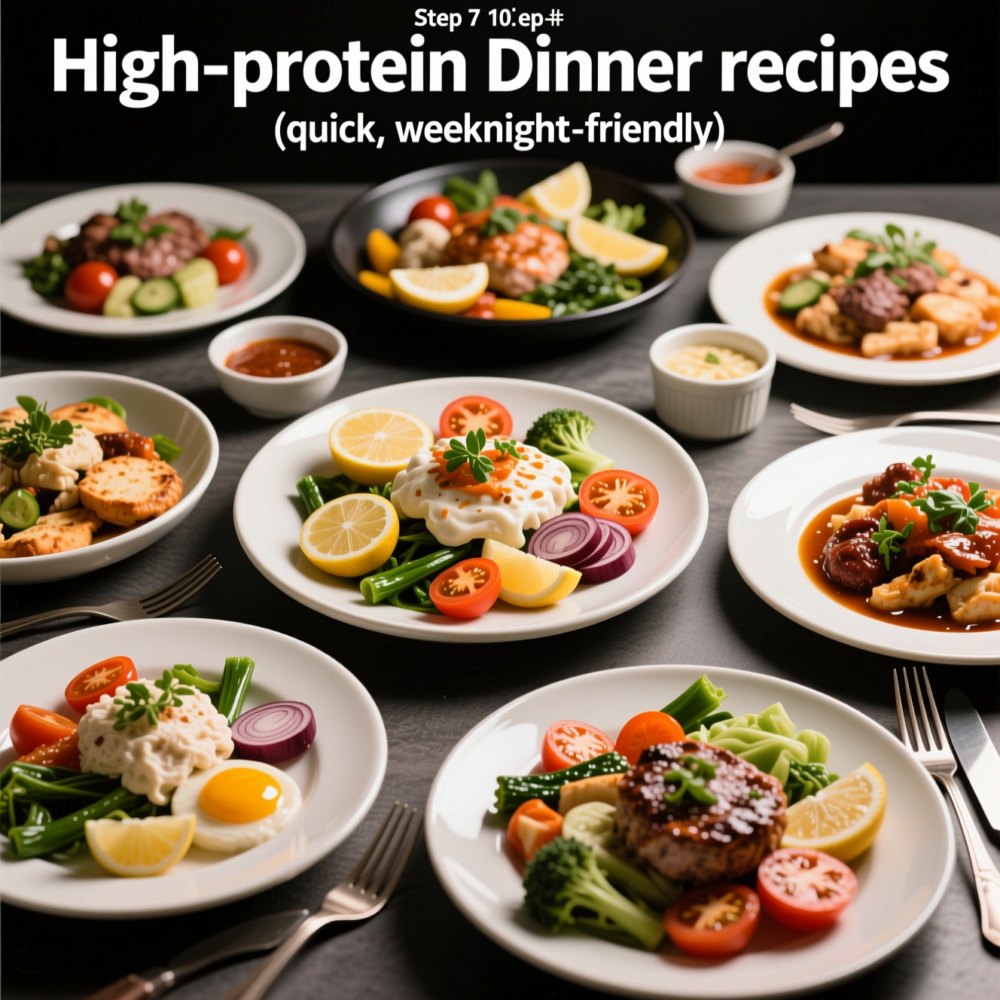
Step 7: Recipe 1: Grilled chicken breast dinner (30g target)
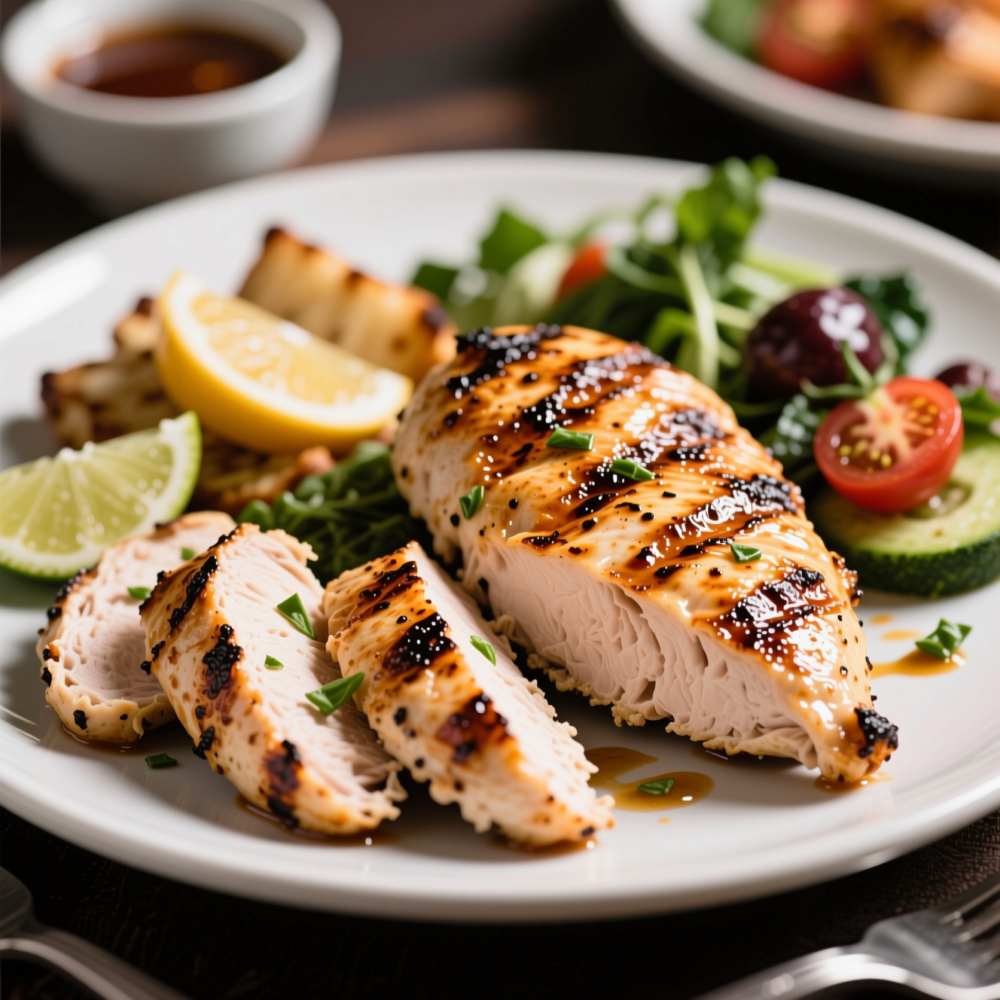
I start with the simplest win: grilled chicken breast + fast sides.
How I build it
- Grill or pan-sear chicken breast (aim for about 4 oz cooked).
- Season with garlic powder, paprika, salt, pepper (simple, no fuss).
- Add quick sides like roasted broccoli or a bagged salad plus a lemon squeeze.
Protein logic
- ~4 oz cooked chicken breast ≈ ~30–35g protein, depending on the exact amount.
Make it taste “restaurant”
- Finish with a drizzle of olive oil, fresh herbs, or a yogurt-lemon sauce (Greek yogurt + lemon + garlic).
Step 8: Recipe 2: Chicken breast with yogurt-spice marinade
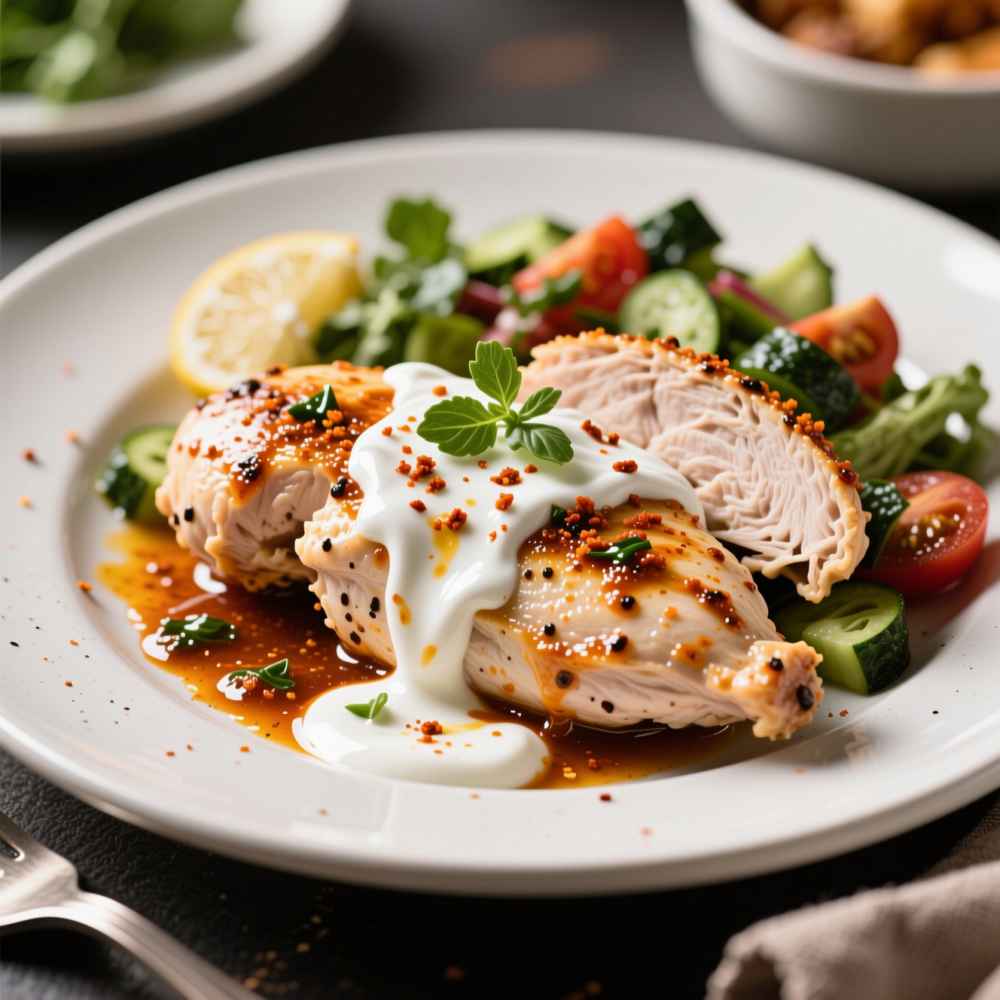
This is one of my favorite “cook it once, love it all week” meals.
How I build it
- Mix Greek yogurt with spices (cumin, turmeric, paprika, pepper, and a pinch of salt).
- Coat chicken, then refrigerate at least 30 minutes (longer is even better).
- Cook on a grill, grill pan, or skillet until done.
- Serve with veggies and (optional) rice or potatoes if you want extra fullness.
Why it works
- The yogurt keeps chicken tender and adds flavor.
- It also boosts the protein of the meal without adding complicated steps.
Step 9: Recipe 3: Turkey-breast variation (protein-equivalent swap)
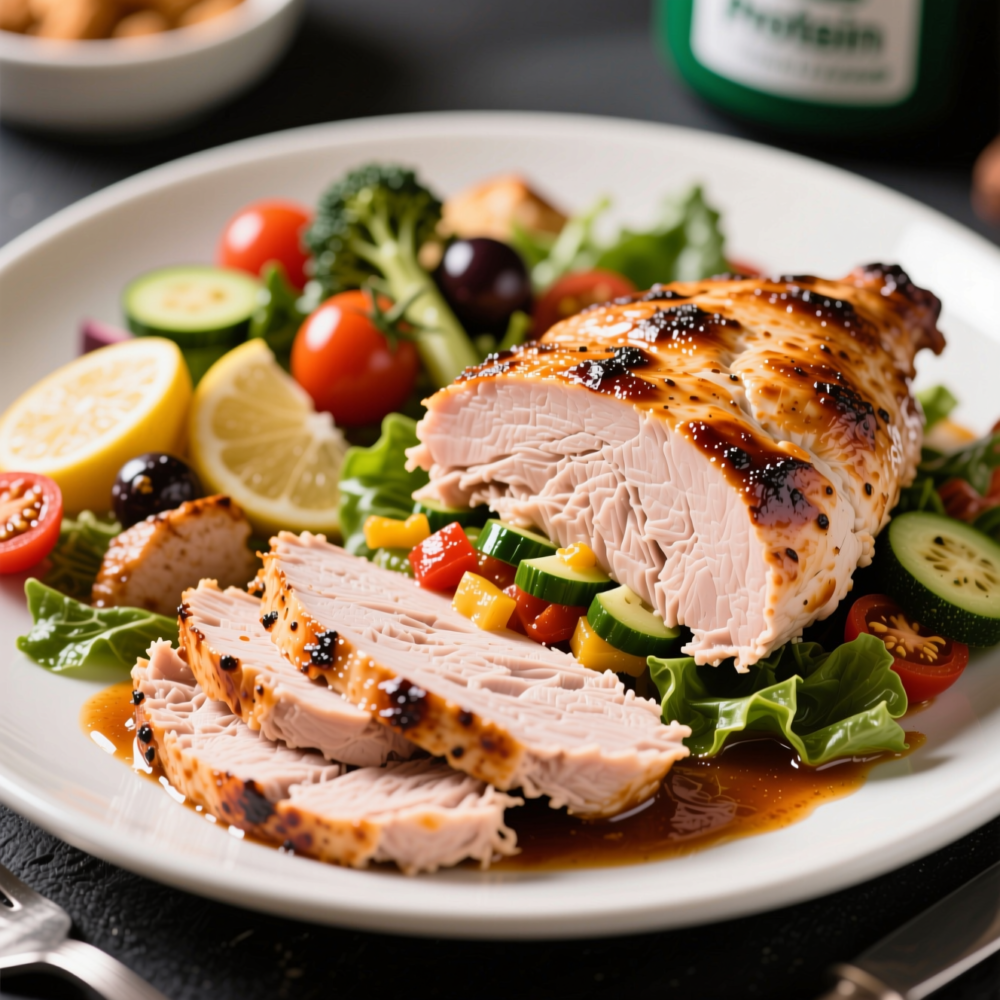
When I want chicken vibes but I don’t want chicken, I swap to turkey breast.
How I build it
- Use similar seasoning as your chicken recipe.
- Cook turkey breast until it’s done (don’t undercook—check the thickest spot).
- Pair with the same sides: roasted veggies, salad, or quick sautéed greens.
Protein logic
- Turkey breast in a similar portion range often lands in the neighborhood of ~30g+.
Step 10: Recipe 4: Lean ground turkey bowl or skillet meal
This one is perfect when I need dinner in a rush. I can build it like a bowl, or I can keep it as a skillet “mix and eat.”
How I build it
- Brown lean ground turkey in a skillet with onion/garlic powder (or fresh onion if you have it).
- Season with taco spices, Italian seasoning, or a simple curry blend.
- Add a big handful of vegetables (peppers, zucchini, spinach).
- Optional carb: serve with rice or quinoa, or tuck it into tortillas.
Protein logic
- Lean ground turkey often gives strong protein per cooked serving, especially if you use a portion around 4 oz cooked.
Step 11: Recipe 5: Lean beef dinner (portion-based protein)
Lean beef can be high-protein without being heavy if I watch portions and balance the plate.
How I build it
- Cook lean beef with simple seasoning (salt, pepper, garlic, paprika).
- Keep the portion controlled (think about 4 oz cooked if you’re aiming for a ~30g-ish dinner target).
- Pair with vegetables (roasted Brussels sprouts, sautéed green beans, or a big salad).
- Optional: add a small starch portion if you need extra energy.
Make it easier
- Use pre-cut veggies or frozen steam-in-bag veggies.
Step 12: Recipe 6: Salmon dinner (high-protein fish)
Salmon is great when I want something that feels special but is still easy.
How I build it
- Pan-sear or roast salmon with lemon, garlic, and pepper.
- Serve with a quick vegetable side.
- If you’re short on protein targets, I add a yogurt finishing sauce (see Recipe 10 below).
Protein logic
- Salmon often provides solid protein per 4 oz, and your total can go up with portion size or a booster.
Step 13: Recipe 7: Pork chop dinner (leaner cut approach)
Pork chops can be surprisingly lean depending on the cut, and they taste amazing with simple seasoning.
How I build it
- Season pork chop with salt, pepper, garlic powder, and paprika.
- Cook using skillet or oven (until it’s safe and cooked through).
- Add a quick side like roasted carrots or sautéed mushrooms/spinach.
Protein logic
- Pork chop portions like ~4 oz cooked can land around ~28g protein.
Step 14: Recipe 8: High-protein chicken dinner with consistent 30g+ design
This is my “repeatable system” dinner. I use the same structure each time so protein stays consistent.
How I build it every time
- Choose chicken breast as the main protein.
- Use a consistent portion target (about 4 oz cooked).
- Cook with either:
– a yogurt-spice coating, or – a dry seasoning rub
- Add:
– 2–3 cups of vegetables (more volume, same protein backbone) – optional carb if I’m extra hungry
Why it’s useful
- I don’t have to recalculate protein every night. I just repeat the formula.
Step 15: Recipe 9: Cottage cheese–boosted dinner sauce or topping
When I want a creamy dinner without the creamy calorie overload, I use cottage cheese like a secret weapon.
How I build it
- Cook your lean protein (chicken, turkey, or even beef).
- Blend cottage cheese with:
– garlic – lemon or vinegar – herbs (dill, parsley, or Italian seasoning) – black pepper
- Spoon it over the finished meal like a sauce or topping.
- Add veggies and an optional small carb.
Protein logic
- Cottage cheese often gives about ~25g protein per cup, which can seriously boost your dinner quickly.
Step 16: Recipe 10: Greek yogurt–based finishing sauce
This is the “flavor boost” I use to make quick meals taste complete—plus it adds protein.
How I build it
- Mix Greek yogurt with:
– lemon juice – grated garlic (or garlic powder) – salt and pepper – chopped herbs (or a dried herb blend)
- Use it as:
– a drizzle over chicken or fish – a dip for roasted vegetables – a creamy topping for bowls
Pair it with
- Any lean protein from the list above.
- A side of vegetables to round out the plate.
Tips
- Prep protein flavor ahead: Make a yogurt-spice marinade once and use it for multiple dinners.
- Use bigger vegetable portions: More volume helps you feel satisfied without lowering protein.
- Don’t skip portion awareness: If you’re aiming around ~30g, portion size matters (especially with salmon).
- Plan your “swap shelf”: Keep 1–2 proteins and 1–2 sauces in mind so you never start from zero.
- Keep it simple on purpose: Complex recipes often fail on busy nights—simple wins are the high-protein secret.
FAQ
FAQ 1: Do I have to hit exactly 30g of protein at dinner?
No. I treat ~30g as a practical target, not a rule. If you’re close most nights, you’re doing great. Some proteins (like salmon) may be lower per 4 oz, while others (like chicken) can be higher, so totals vary.
FAQ 2: What’s the easiest high-protein dinner when I’m exhausted?
A lean ground turkey skillet bowl is my go-to. It cooks fast, you can add vegetables right in the pan, and it’s easy to adjust for protein and carbs.
FAQ 3: Can I boost protein without changing the meal much?
Yes. My favorite no-fuss boosts are:
- add a cottage cheese sauce or topping
- finish with a Greek yogurt drizzle
These can raise protein without taking extra time.
FAQ 4: Are Greek yogurt and cottage cheese “worth it” for dinner protein?
For me, yes—because they’re easy and versatile. Cottage cheese can add a lot of protein quickly, and Greek yogurt works for both marinades and sauces, so you get flavor and protein together.
FAQ 5: What if I don’t eat chicken?
No problem. You can use the same protein-target mindset with turkey, lean beef, pork, or salmon, and then support with Greek yogurt/cottage cheese if you need an extra boost.
Conclusion
High-protein dinners are one of those things that feel harder than they are—until you start using a simple system. I build my meals around a lean protein backbone (like chicken, turkey, salmon, beef, or pork) and then use smart boosters (Greek yogurt and cottage cheese) to push protein higher without adding stress.
Pick 2–3 recipes from this list and rotate them through your week. With portion awareness and quick cooking methods, you’ll be surprised how fast your dinner routine turns into something that keeps you full and energized. Go ahead—choose your first recipe tonight and make your dinner feel like a win.

Sarah Anderson . J
I’m the mom behind Wise Mom Blogger, where everyday creativity meets real-life motherhood. I share easy DIY crafts, cozy knitting and crochet projects, beginner-friendly sewing ideas, and family-tested recipes—plus quick baking hacks that make homemade feel doable on busy days.
